

Service Provider Directory and Distributions
Empowering Kajiado: The Launch and Distribution of the Service Providers Directory
11 July 2024
In 2023, a visionary project was initiated by the County Gender Department and the County AIDS and STI Coordinator (CASCO) in Kajiado, aiming to streamline the support services available to vulnerable groups in the county.
The development of a comprehensive directory of service providers was driven by key resolutions from previous strategic meetings. The project was spearheaded by two focal points: Caren Kamau, the GBV Focal Point, and Alice Njoroge, the CASCO for the county.
The creation of the service providers' directory was concluded successfully in late 2023. In 2024, the International Labour Organization's ILO CAPSA project stepped in to support the publication and dissemination of the directory. Additionally, CAPSA committed to translating the service providers’ directory into a simplified infographic, depicting referral pathways to enhance its accessibility and usability.
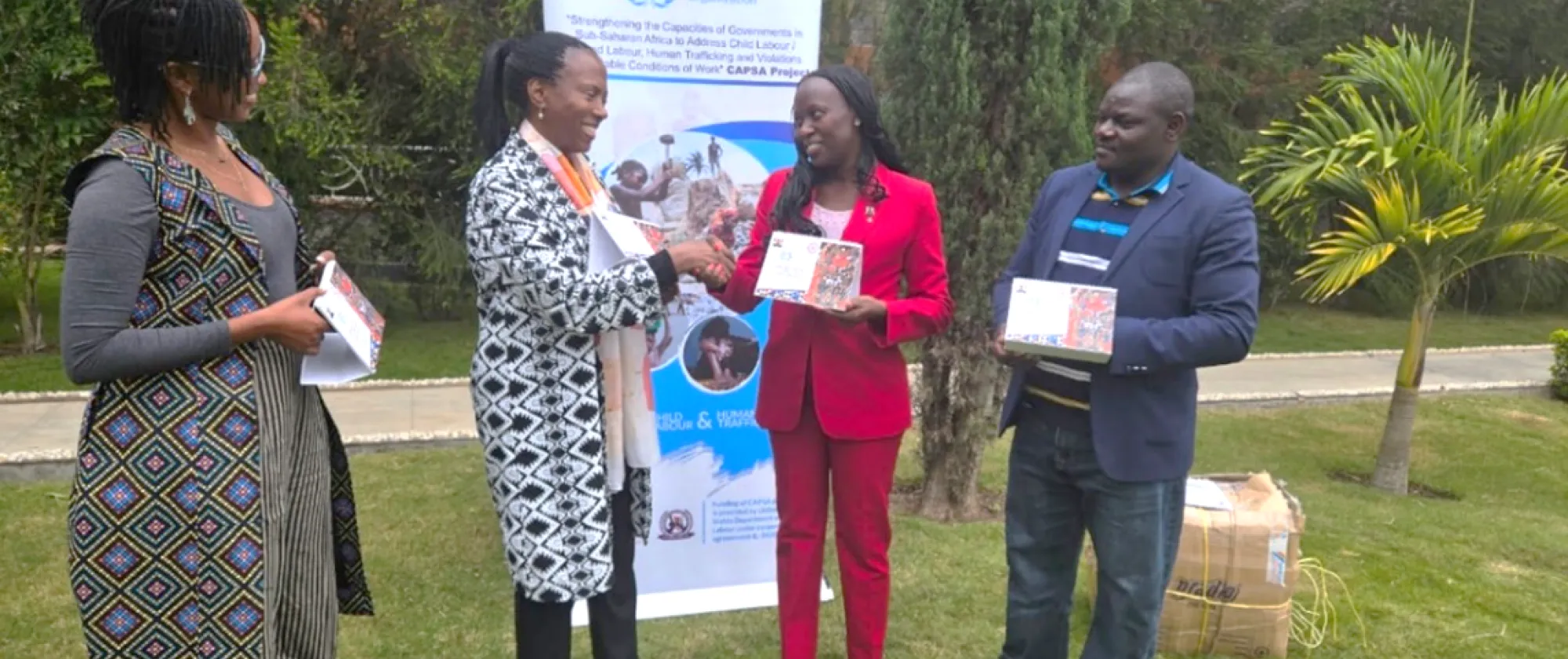
The official handover of the directory to the County marks a significant milestone in Kajiado's fight against gender-based violence (GBV), child labour, and human trafficking.
The event, held on 11th July 2024, in Kajiado County, is a testament to the collaborative efforts and commitment of various stakeholders to improve the welfare of the county’s residents.
Ms. Grace Banya, ILO CAPSA Project Manager, emphasized the importance of the directory in ensuring that cases of child labour, forced labour, and trafficking in persons are well documented and referred through appropriate channels. She stated, "Our interest as CAPSA is to ensure that reported cases are accurately documented and efficiently referred, so it is clear where to report which case at a glance."
A Model for Other Counties
Ms. Banya highlighted that Kajiado is the first county to benefit from the development of such a directory through the CAPSA Project. She noted, "This is the first county that we have developed a service directory for, and we are very glad to do so. It is a best practice that will be replicated across all the other counties where we work."
A tool for Addressing Challenges
During a previous visit to Kajiado, it was observed that the county had a robust system for handling GBV and child labour cases. The newly developed directory will further streamline the work of frontline service workers, making it easier to access help through the contacts listed in the directory.
One of the persistent challenges highlighted is the underreporting of FGM and child labour as forms of child labour, despite them being among the worst forms. Accurate reporting and a documented referral mechanism are crucial in the fight against child labour, forced labour and trafficking in persons. The new directory will play a vital role in ensuring that these cases are captured in the Child Protection Information Management System (CPIMS).
Dr. Lydia Munteiyan, the County Director Medical Services, Kajiado, pointed out a significant trend: a spike in reported cases during holidays when children are out of school and more vulnerable. She explained, "During the holidays, children are often lured by bodaboda riders with promises of pads in exchange for sex, making them vulnerable to HIV infections, early marriages, and adolescent pregnancies."
Dr Muiteiyan also shed light on poverty as a leading factor contributing to these challenges in Kajiado. There is a pressing need for comprehensive engagement from all stakeholders, both public and private, to uplift the living standards of the community members. A collaborative approach is essential to address the root causes and provide sustainable solutions.
The Handover Ceremony
The official handover of the directory to the Gender Department and CASCO marks a significant milestone in Kajiado's fight against gender-based violence (GBV), child labour, and human trafficking. The event, held on 11th July 2024, in Kajiado County, is a testament to the collaborative efforts and commitment of various stakeholders to improve the welfare of the county’s residents.
Ms. Grace Banya, ILO CAPSA Project Manager, emphasized the importance of the directory in ensuring that cases of child labour, forced labour, and trafficking in persons are well documented and referred through appropriate channels. She stated, "Our interest as CAPSA is to ensure that reported cases are accurately documented and efficiently referred, so it is clear where to report which case at a glance."
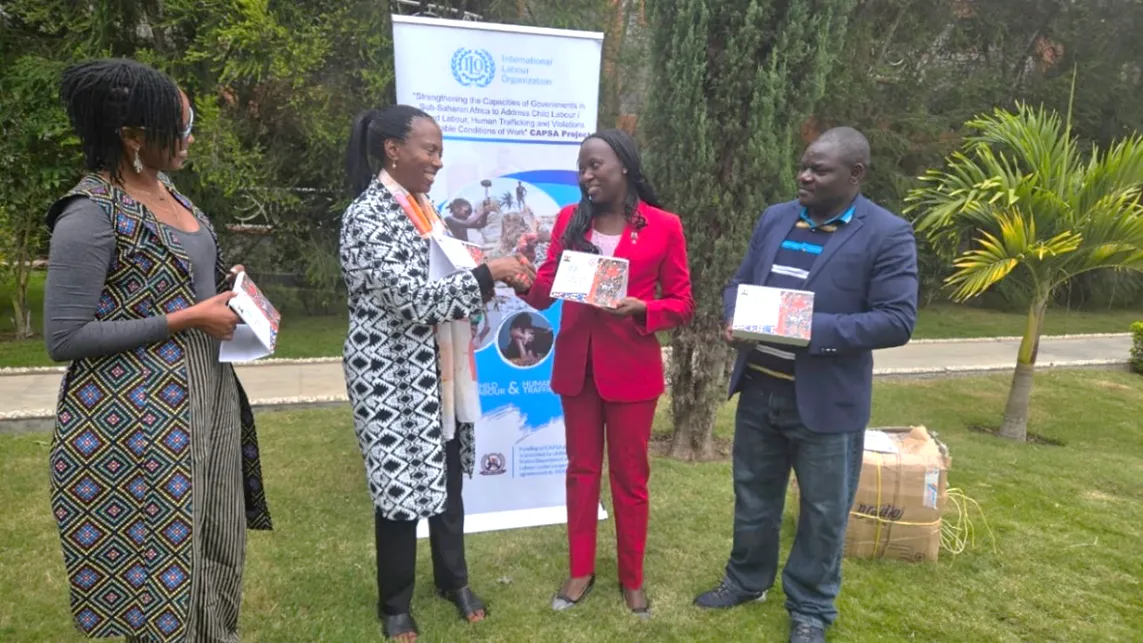
Ms. Banya highlighted that Kajiado is the first county to benefit from the development of such a directory. She noted, "This is the first county that we have developed a service directory for, and we are very glad to do so. It is a best practice that will be replicated across all the other counties where we work."
During a previous visit to Kajiado, it was observed that the county had a robust system for handling GBV and child labour cases. The newly developed directory will further streamline the work of frontline service workers, making it easier to access help through the contacts listed in the directory.
Addressing Challenges
One of the persistent challenges highlighted is the underreporting of FGM and child labour as forms of child labour, despite them being among the worst forms. Accurate reporting and a documented referral mechanism are crucial in the fight against child labour, forced labour and trafficking in persons. The new directory will play a vital role in ensuring that these cases are captured in the Child Protection Information Management System (CPIMS).
Dr. Lydia Munteiyan, pointed out a significant trend: a spike in reported cases during holidays when children are out of school and more vulnerable. She explained, "During the holidays, children are often lured by bodaboda riders with promises of pads in exchange for sex, making them vulnerable to HIV infections, early marriages, and adolescent pregnancies."
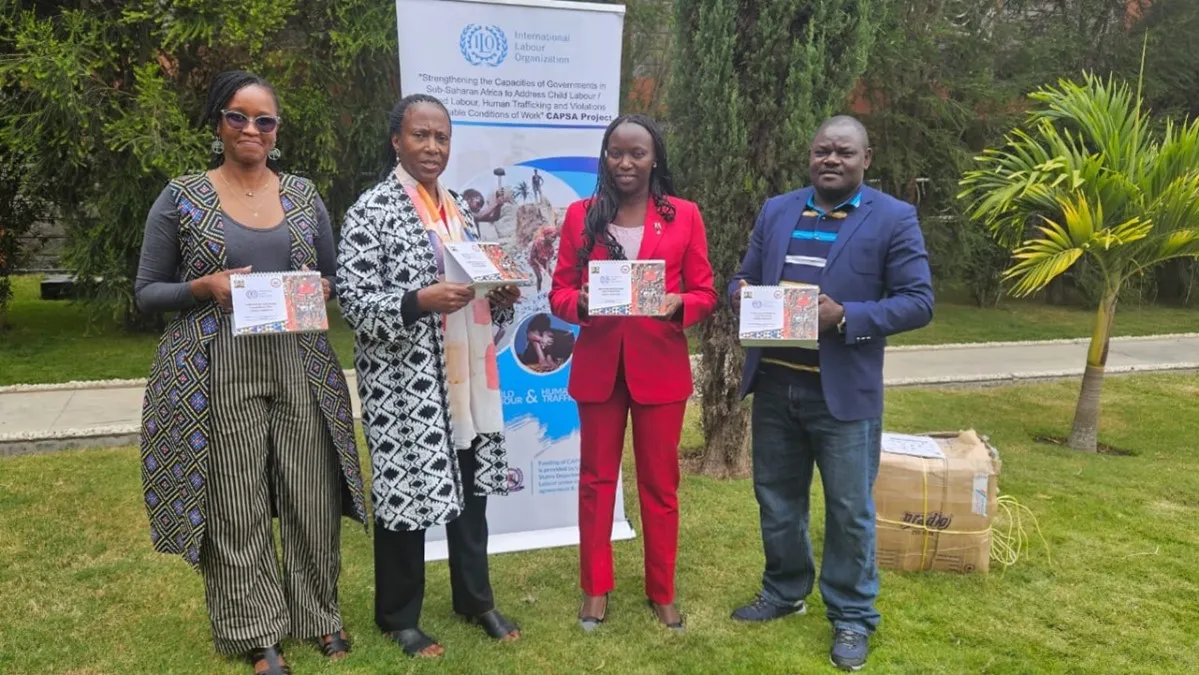
Dr Muiteiyan also shed light on poverty as a leading factor contributing to these challenges in Kajiado. There is a pressing need for comprehensive engagement from all stakeholders, both public and private, to uplift the living standards of the community members. A collaborative approach is essential to address the root causes and provide sustainable solutions.
Distribution Plan for the Service Providers Directory
The service providers' directory will be distributed through multiple channels to ensure it reaches all relevant stakeholders and frontline workers and the CASCO team will take lead in the distribution of the service directory as below:
- Printed Copies: Hard copies of the directory will be distributed to key offices and institutions, including the Gender Department, CASCO, health facilities, schools, community centers, and local government offices. This will ensure that frontline workers have immediate access to the directory when needed.centres
- Digital Distribution: An electronic version of the directory will be made available on the official county website and shared via email with relevant stakeholders. This will allow for easy access and reference for those who may not have immediate access to a printed copy.
- Workshops and Training Sessions: The directory will be distributed during workshops and training sessions organized by the Gender Department and CASCO. These sessions will also serve to educate participants on how to use the directory effectively.
- Community Outreach Programs: During community outreach programs and awareness campaigns, copies of the directory will be handed out to community leaders, volunteers, and members of the public. This will help raise awareness about the available services and how to access them.
- Partner Organizations: Copies of the directory will be shared with partner organizations, NGOs, and other entities involved in combating GBV, child labour, and human trafficking. This will enhance coordination and collaboration among different stakeholders.
Moving Forward
The handover and distribution of the service providers’ directory represent a significant step forward in empowering Kajiado County to combat GBV, child labour, and human trafficking. It is a tool that will enhance the efficiency and effectiveness of service delivery, ensuring that vulnerable individuals receive the support they need promptly.
As the directory is put to use, the county government of Kajiado, with the support of ILO CAPSA and other stakeholders, will continue to work towards a safer and more supportive environment for all its residents. This initiative not only sets a precedent for other counties but also reinforces the importance of coordinated efforts in addressing complex social issues.
Related content

CAPSA Project - Kenya, Uganda and the EAC Secretariat
CAPSA - Capacity Strengthening of Governments to Address Child Labour and Forced Labour and Violations of Acceptable Conditions of Work in...
Relevant projects
CAPSA Project - Kenya, Uganda and the EAC Secretariat
CAPSA - Capacity Strengthening of Governments to Address Child Labour and Forced Labour and Violations of Acceptable Conditions of Work in...