

Empowering communities, combating child labour in Uganda
19 March 2024
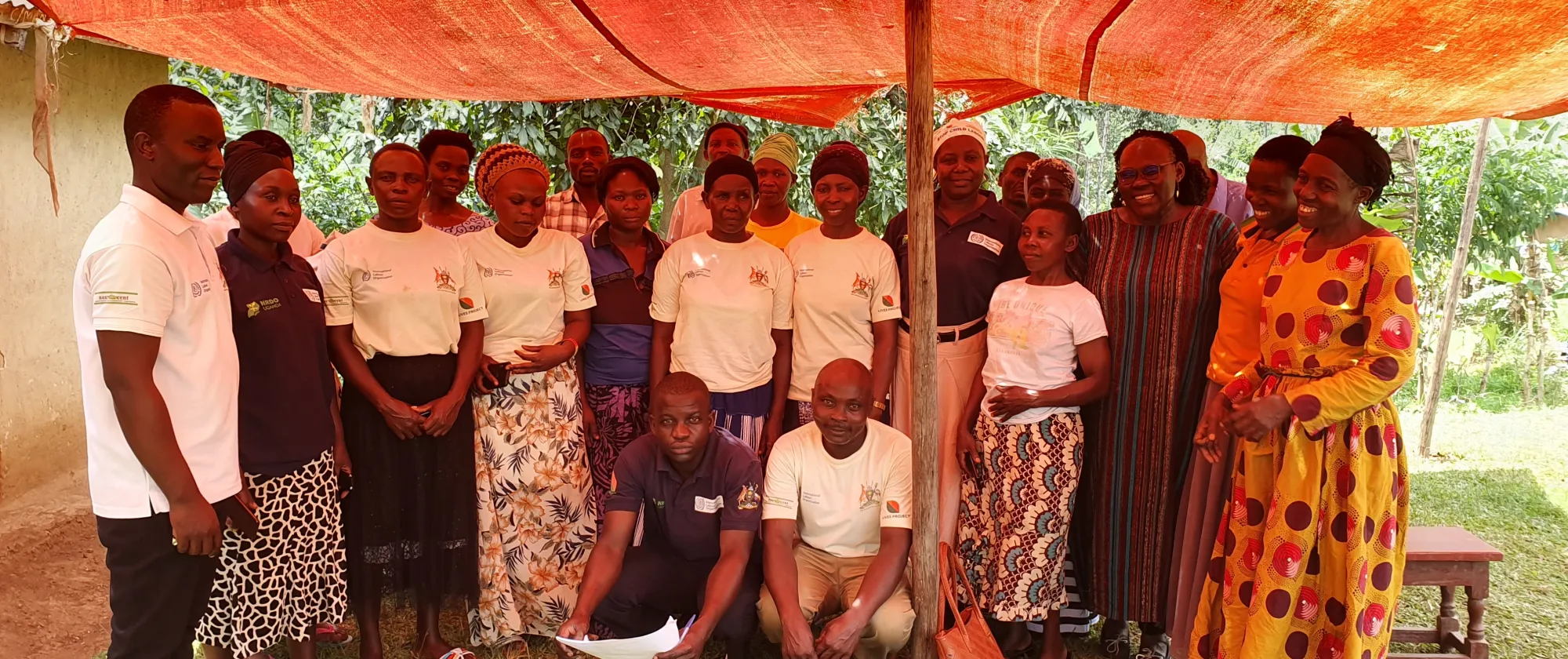
Kampala, Uganda, 19 March, 2024 - The recent field visit to Sironko, in the Greater Mbale region of Uganda offered a profound understanding of the root causes of child labour and the potential interventions that could address this critical issue. At the heart of the matter lies the inextricable link between livelihoods and the persistence of child labour practices.
A standout initiative observed was the establishment of adult and youth savings groups. These groups promote income opportunities and build financial empowerment. It was inspiring to see the beneficiaries' successful appropriation of these savings groups, even after the ACCEL Africa 1st phase ended. The digitization of the project, in partnership with Mobipay and Equity Bank, promises to further solidify these groups' financial stability and access to formal financial services.
These savings groups have made significant strides beyond economic benefits for the participants. In one remarkable instance, a savings group channelled their collective resources into establishing a much-needed daycare center, directly addressing the issue of child labour. Another group aspires to form a larger SACCO-type structure, amplifying the potential for community-driven development through mobilized savings.
Yet, challenges remain, particularly gender disparities. Women's participation in savings groups is often hindered by societal norms, and they're usually engaged in less profitable activities while shouldering educational expenses for their children.
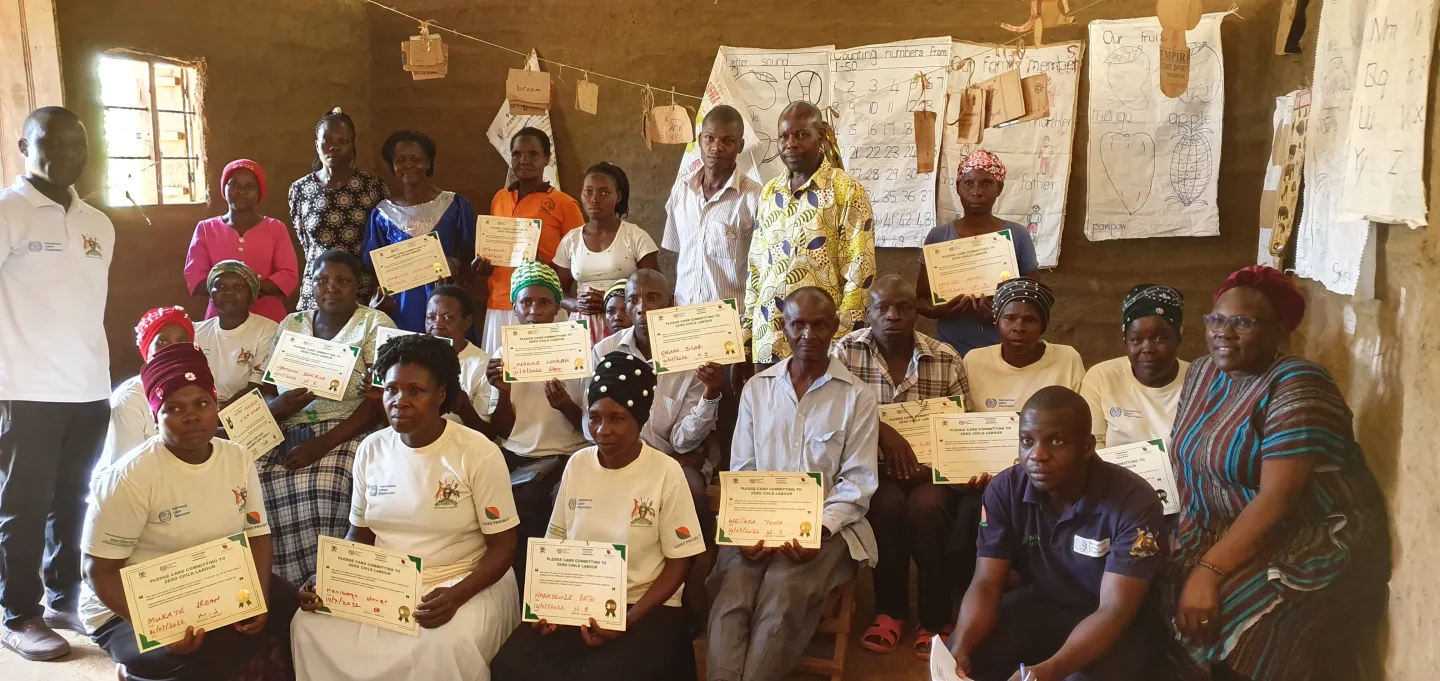
The supported income-generating activities are crucial but need continued backing. Capacity building, access to financing, and the development of productive financing products are crucial for their long-term viability. Innovative enterprises, such as the production of sanitary towels, not only address community needs but also hold the potential to create new markets and drive economic empowerment.
Environmental and economic vulnerabilities also pose significant risks. Agriculture, particularly coffee and tea, is threatened by climate change and market volatility. Strengthening agricultural practices and creating safety nets are essential for community resilience.
Education is essential to breaking the cycle of poverty and child labour. However, it faces its own set of obstacles. While parents strive to pay school fees, the costs of educational materials and providing adequate nutrition for their children often prove insurmountable. Overcrowded public schools, struggling to finance their own expansions, further exacerbate the challenge of ensuring quality education for all.
The intervention model initiated during the first phase of the project has laid a promising foundation, but the populations remain vulnerable. Scaling up and deepening these interventions, through productive financing, strengthening productive savings, and capacity building in social enterprise management, are critical next steps. To tackle these challenges ACCEL Africa aims to support the formalization and development of cooperatives, VSLA and social business, foster partnerships, and open innovation among financial services provider by creating a social finance innovation funds, support gender-intelligent products and services design, build stakeholders capacities to have extensive knowledge, tools and skills to contribute meaningfully to child labour eradication.
Combating child labour is not merely an economic endeavour; it is a battle for the fundamental rights and dignity of every child. By empowering communities, fostering sustainable livelihoods, and addressing the multifaceted vulnerabilities that perpetuate this vicious cycle, we can pave the way for a future where every child's potential is nurtured, and their dreams are not shackled by the burdens of labour.