

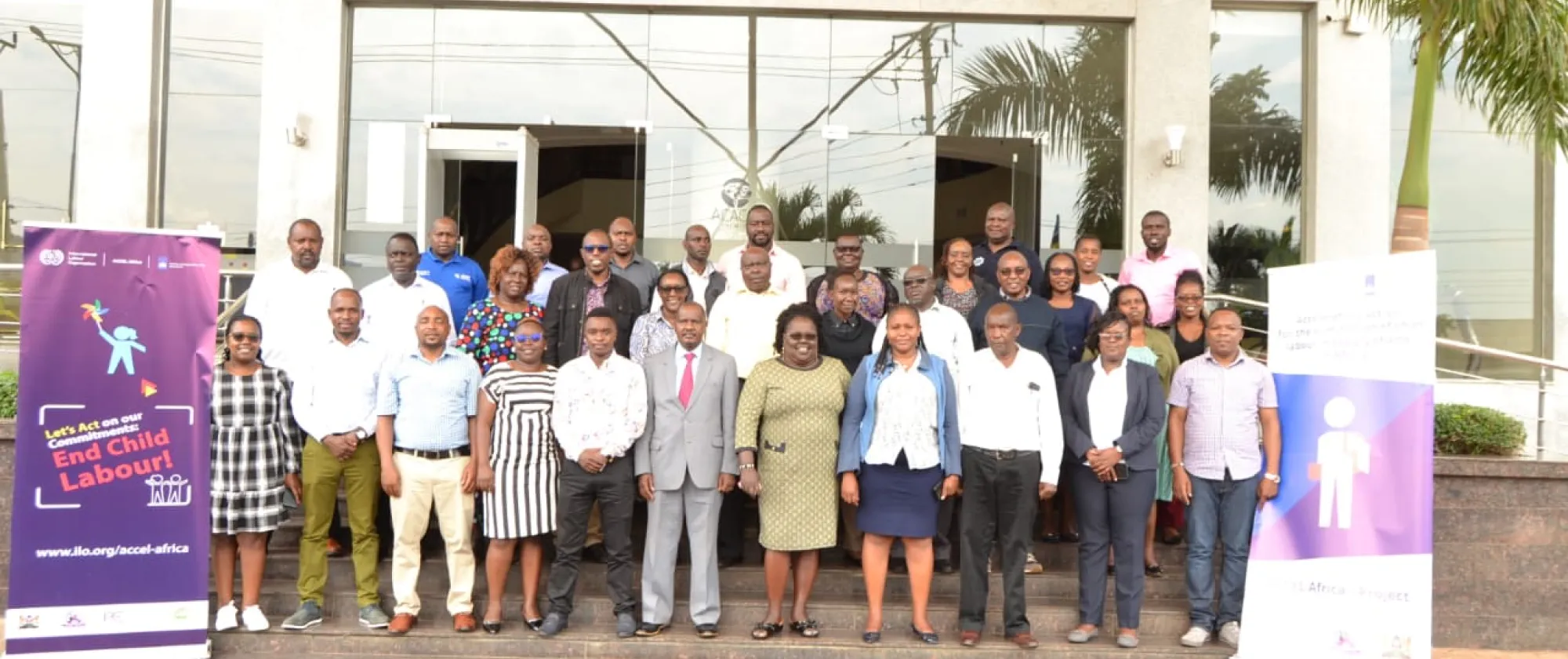
Empowering change: County Child Labour Committee (CCLC) orientations held in Kisumu and Nanyuki
25 July 2024
Kisumu and Nanyuki, Kenya (different sessions between 8 - 19 July, 2024) - In a significant stride towards eradicating child labour, the ACCEL Project in collaboration with the Ministry of Labour and Social Protection recently conducted comprehensive orientations for the County Child Labour Committees (CCLCs) in Kisumu and Nanyuki. These sessions aligned with the Ministry's mandate to implement and enforce programs aimed at eliminating child labour, a pervasive issue that has long hindered the growth and development of affected children, ultimately threatening the nation's human capital development.
Kenya, having ratified key international standards, treaties, and conventions related to child labour, demonstrated its commitment to upholding these obligations through the enactment of the National Policy on the Elimination of Child Labour in October 2016. This policy, encapsulated in Sessional Paper No. 1 of 2015, aimed to protect all children in Kenya from various forms of child labour and foster their holistic development.
The County Child Labour Committees play a crucial role in the national framework for eliminating child labour. These committees, comprising representatives from government departments, employer organizations, trade unions, civil society organizations, faith-based groups, media, and private individuals, and are designed to coordinate efforts at the county level. The primary objective of the CCLCs is to synchronize activities aimed at eradicating child labour, ensuring effective implementation, and fostering collaboration among stakeholders.
Key representatives in the CCLC included the County Commissioner, County Labour Officer, County Children Officer, and other officials from the education, police, and social development sectors, as well as employer organizations, trade unions, and civil society groups dedicated to child protection.
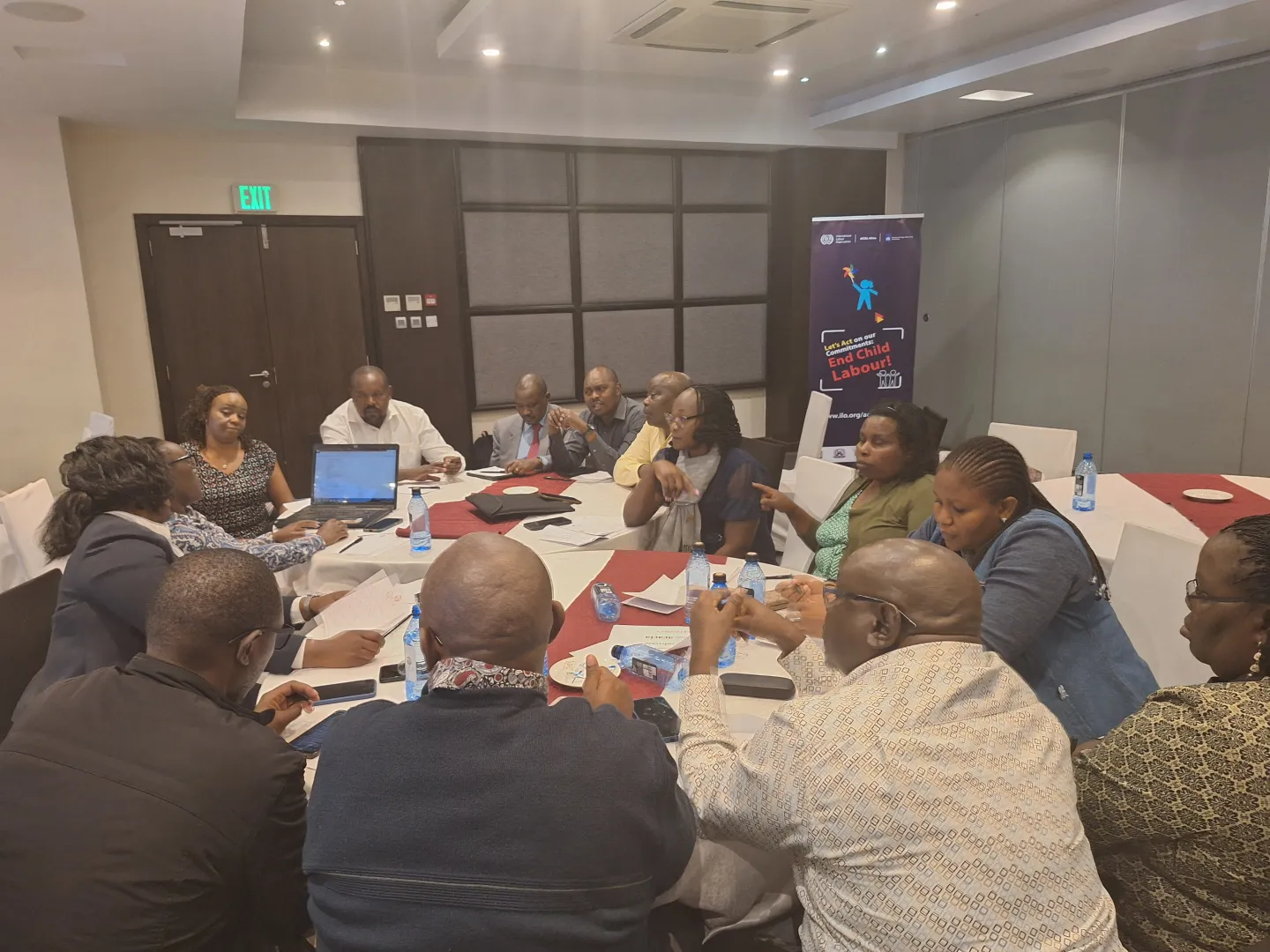
The orientation sessions received significant support from the ACCEL Africa Project, which collaborated with the Ministry to expedite child labour eradication efforts. The project has revitalized CCLCs in select counties, including Kisii, Kericho, Kirinyaga, and Meru. By focusing on targeted interventions within tea and coffee supply chains, the project aimed to address the root causes of child labour through a systems-based approach, enhancing policy, legal, and institutional frameworks.
The four-day orientation programme aimed to equip CCLC members with the knowledge, tools, and networks necessary to tackle child labour effectively. The sessions began with an introduction to the definition, types, and prevalence of child labour, along with an overview of relevant legal frameworks. Subsequent days focused on the root causes, consequences, and the most vulnerable groups affected by child labour, using case studies to provide practical insights.
Participants engaged in simulated committee meetings, decision-making exercises, and collaborative problem-solving activities to develop essential skills. The orientation emphasized the creation of tailored strategies, stakeholder collaboration, and the use of monitoring frameworks. The programme concluded with a reflection session, the awarding of certificates, and the development of actionable plans for ongoing efforts against child labour.
The orientation aimed to drive positive change at the grassroots level, ensuring the well-being of children in communities. By adopting a structured curriculum and participatory methods, the programme empowered participants to make informed decisions, develop practical plans, and foster meaningful collaboration to combat child labour effectively.
As CCLC members returned to their respective counties, the knowledge and skills gained from the orientation would be pivotal in developing comprehensive work plans and coordinating activities aimed at eliminating child labour. Regular meetings and reporting mechanisms would ensure continuous progress, with bi-annual reports submitted to the National Steering Committee.
This initiative marked a significant step towards a child labour-free society, reflecting Kenya's unwavering commitment to safeguarding the rights and futures of its children.