

South-South Cooperation
East Sumba Province in Indonesia strengthens seaweed development through Thailand learning exchange
South-South study visit provides insights on innovation, value addition and sustainable growth for East Sumba's seaweed industry.
5 June 2026
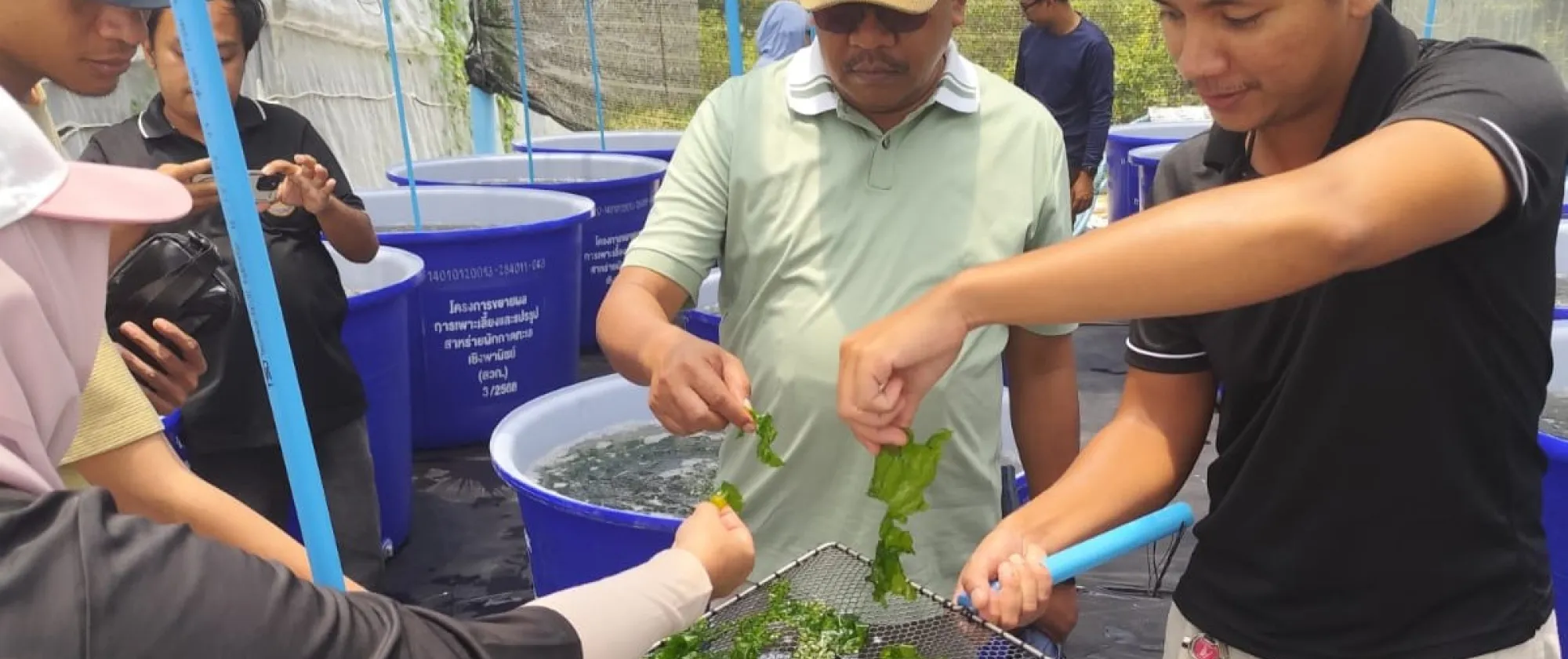
BANGKOK, Thailand (ILO News) – Key stakeholders from East Sumba Regency, East Nusa Tenggara, Indonesia, completed a comparative study visit to Thailand from 12 to 16 May 2026 to learn from the country's experience in developing a competitive, market-oriented, and sustainable seaweed industry.
Facilitated by ILO's Improved Entrepreneurs’ Access to Financial Services Phase 2 (Promise II Impact) project, the visit brought together representatives of regionally owned enterprise, PT Algae Sumba Timur Lestari (ASTIL), the Regent of East Sumba, the Regional House of Representatives of East Sumba, and East Sumba’s Marine and Fisheries Affairs office involved in the development of East Sumba's seaweed sector. The initiative aimed to identify best practices, technological innovations, policy frameworks, and partnership models that could support the sustainable growth of the seaweed value chain in East Sumba.
The visit also highlighted the importance of South-South Cooperation as a practical mechanism for accelerating development. By fostering direct exchanges between Indonesia and Thailand, the initiative enabled stakeholders to learn from experiences and solutions developed within the region, while strengthening collaboration in support of a sustainable blue economy.
Seaweed has been identified as a priority commodity for East Sumba due to its extensive coastline, favourable marine conditions, and the strong reliance of coastal communities on marine-based livelihoods. The sector holds significant potential to generate income, create jobs, and contribute to local economic development.
Despite this potential, seaweed cultivation in East Sumba remains largely focused on primary production and faces challenges related to productivity, seed quality, post-harvest handling, processing capacity, market access, and institutional coordination. Addressing these challenges will be critical to increasing the sector's contribution to economic growth and improving the livelihoods of coastal communities.
Thailand's experience offers valuable lessons. Although it is not among the world's largest producers of raw seaweed, the country has successfully developed a diversified seaweed industry through downstream processing, product innovation, strong quality control systems, private sector investment, and integration with domestic and international markets.
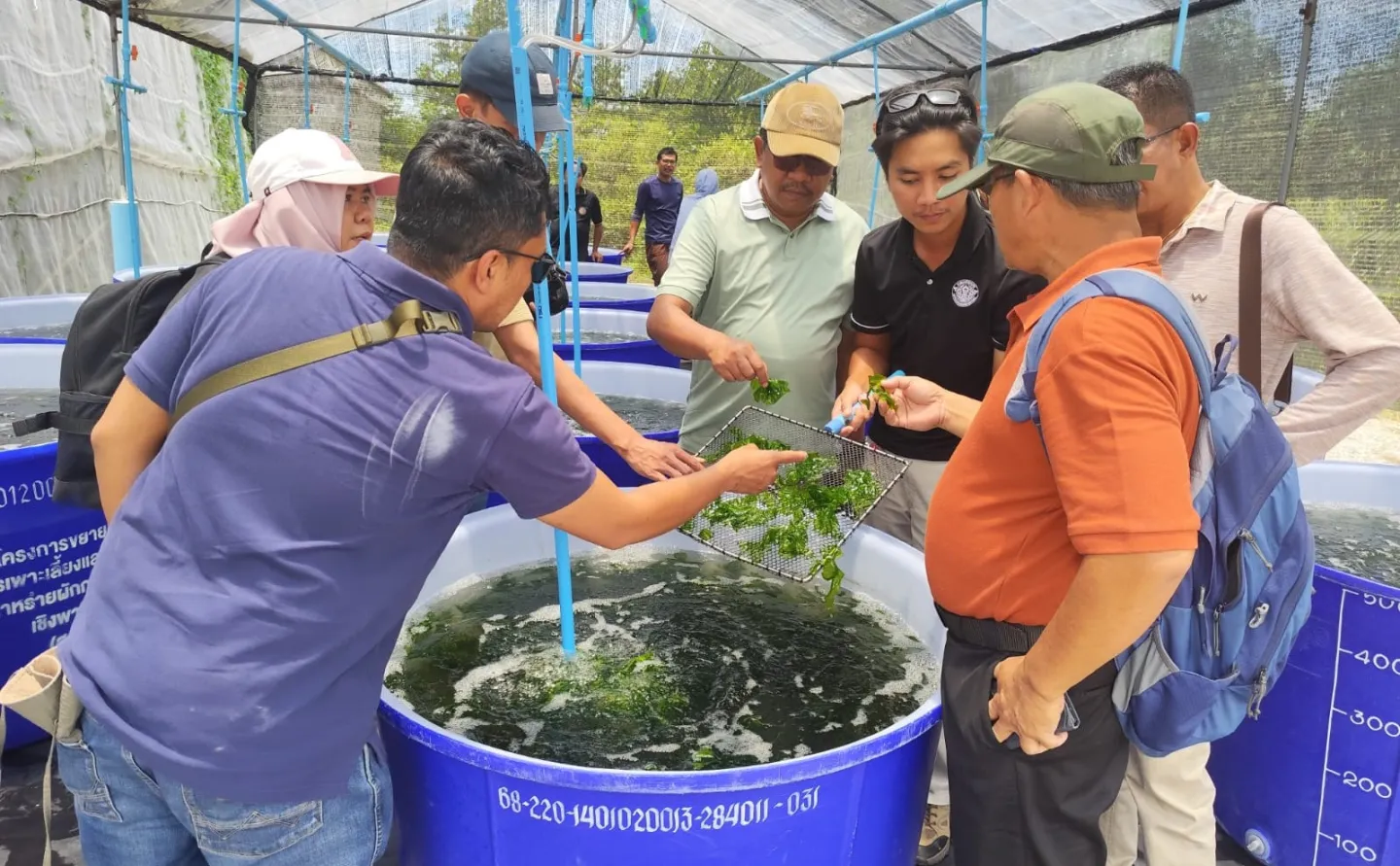
During the visit, the delegation met with representatives from the Petchaburi Seaweed Aquaculture Research and Development Center under Thailand's Department of Fisheries, the Southeast Asian Fisheries Development Center (SEAFDEC) Regional Office for Asia Pacific, seaweed cooperatives, and regional fisheries experts from across Southeast Asia. The delegation also visited seaweed farms and enterprises to observe cultivation methods, quality management systems, processing techniques, and business models that support industry growth.
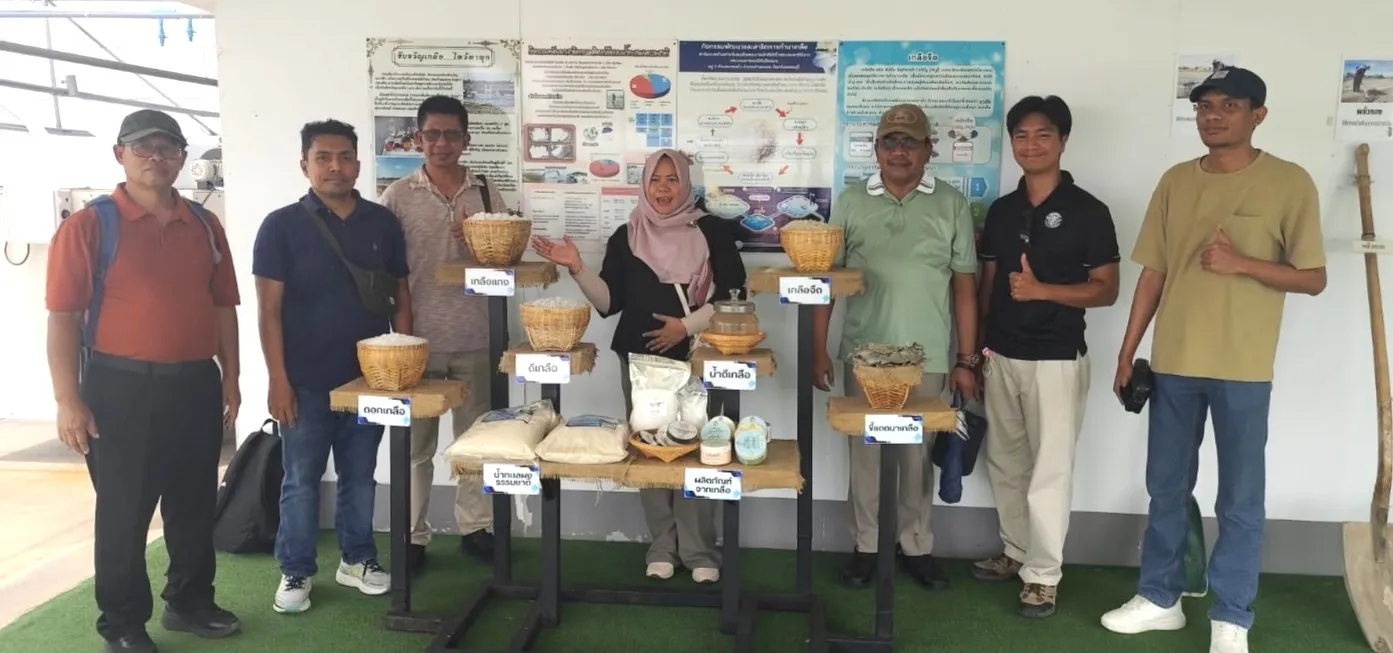
One of the key lessons from Thailand was the importance of strong collaboration among government agencies, research institutions, universities, cooperatives, and the private sector. Participants observed how coordinated support for research, innovation, quality assurance, and market development has helped strengthen the competitiveness of Thailand's seaweed industry.
The visit also underscored the role of government in creating an enabling environment for industry growth. Thailand's Department of Fisheries maintains rigorous standards for both raw materials and processed products through certification systems, monitoring mechanisms, and technical support. Universities and research institutions further contribute by developing innovations that respond to market demand and industry needs.
Drawing on these experiences, stakeholders from East Sumba identified opportunities to strengthen local policies, improve product quality, enhance farmer capacity, and promote greater value addition within the seaweed sector. Discussions also highlighted the importance of expanding partnerships among government institutions, producer organizations, educational institutions, and the private sector to support long-term industry development.
The comparative study visit reaffirmed the importance of moving beyond primary production towards a more integrated and value-added seaweed industry. By combining improved cultivation practices, stronger institutions, quality assurance systems, processing capacity, and better market access, East Sumba has the opportunity to transform seaweed into a driver of local economic growth, employment creation, and community resilience.
Through the Promise II Impact project, the ILO has been supporting the strengthening of the seaweed value chain ecosystem in East Sumba since 2022. The study visits form part of broader efforts to promote inclusive economic growth, create decent employment opportunities, and enhance the competitiveness and sustainability of Indonesia's maritime economy.
The knowledge and partnerships developed through this South-South exchange are expected to contribute to a stronger and more resilient seaweed industry in East Sumba, helping coastal communities capture greater value from their resources while advancing sustainable blue economy development in Indonesia.
Related content
Promise II Impact
Promoting SME Enterprises through Improved Entrepreneurs’ Access to Financial Services

Topic portal
Social finance
Relevant projects
Promise II Impact
Promoting SME Enterprises through Improved Entrepreneurs’ Access to Financial Services