

East African Community Advance towards Regional Competency Standards for Domestic Workers
The 2nd Regional Meeting of Experts on Competency Standards for Domestic Workers
4 May 2025
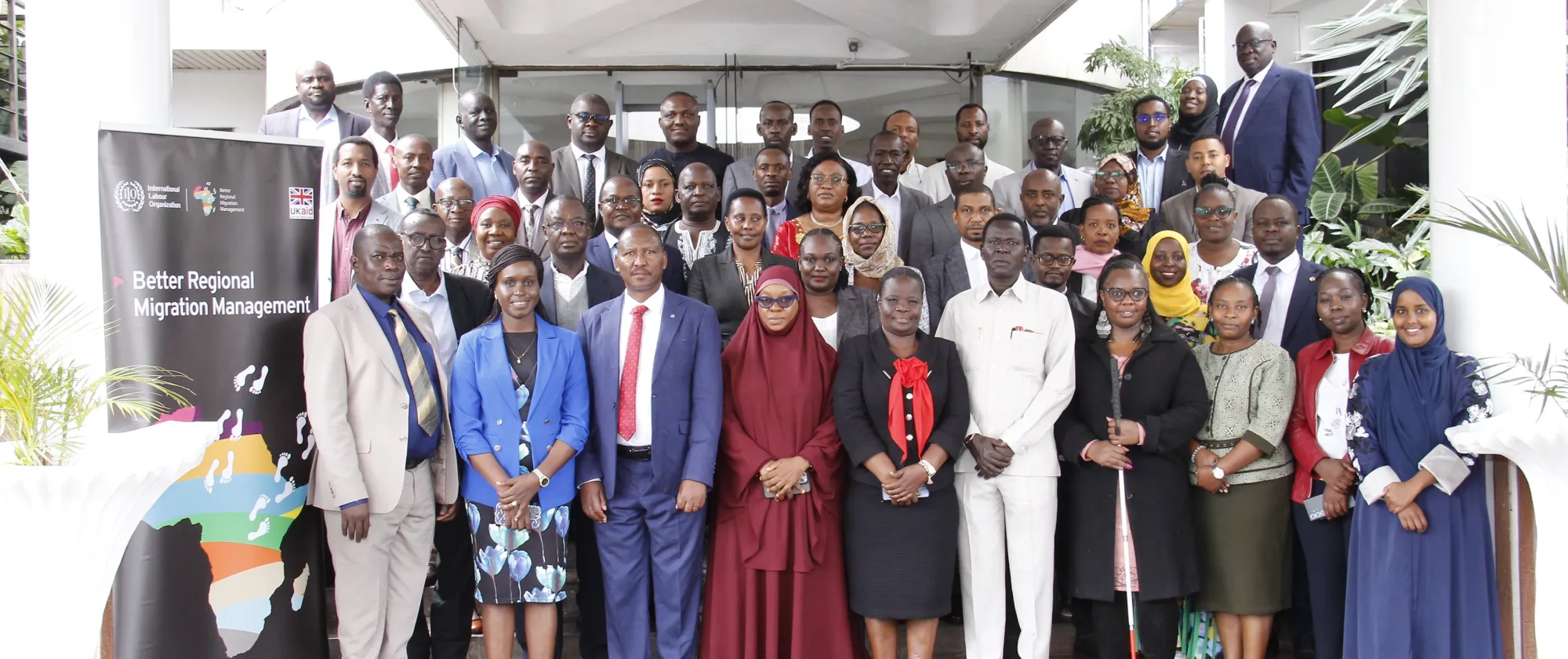
The East African Community (EAC) Secretariat, in collaboration with the International Labour Organization (ILO), through the Better Regional Migration Management (BRMM) Programme, funded by the UK Foreign, Commonwealth and Development Office (FCDO), convened the 2nd Regional Meeting of Experts on Competency Standards for Domestic Workers from 10th to 14th March 2025 in Nairobi, Kenya. This meeting brought together government representatives, social partners, technical experts, and training institutions to refine the Regional Competency Standards (RCS) and align them with international labour standards.
Building on the groundwork laid during the first meeting in Dar es Salaam in February, experts focused on defining functional areas, refining occupational standards, and harmonizing training frameworks. The discussions centred on addressing the fragmented nature of skills recognition and certification for domestic workers, ensuring a structured approach to professionalising the sector. Participants emphasised the urgency of developing competency-based training and accreditation systems that would enhance job mobility, wage protection, and fair treatment for domestic workers across the EAC Partner States.
One of the key outcomes of the meeting was the consolidation of nine core functional areas covering skills in household management, childcare, elderly care, home security, and food preparation, among others. Experts revised and expanded those standards to include gender-sensitive training, legal awareness of workers' rights, and occupational health and safety measures. Special attention was given to integrate these competencies into Technical and Vocational Education and Training (TVET) curricula to formalise domestic work as a recognized profession rather than informal labour.
The meeting also addressed the broader challenges faced by migrant domestic workers, particularly those working in the Gulf states and other foreign labour markets. Delegates called for stronger government intervention in bilateral labour agreements, enhanced legal protections, and increased consular support for migrant workers. They stressed the importance of establishing regional certification systems to enable the mutual recognition of domestic workers’ skills, facilitating regular employment pathways while reducing vulnerability to exploitation.
A major milestone achieved during the meeting was the finalization of a draft Regional Model Competency Standard (RMCS) for domestic work. This document, once validated, will serve as a benchmark for training institutions, employers, and policymakers to ensure domestic workers receive standardized skills training and certification.
Relevant projects

East and Horn of Africa
Better Regional Migration Management