

Democratic Republic of the Congo explores skills mechanism to transform agriculture
The Democratic Republic of the Congo launched a process that aims to better anticipate skills needs in the agricultural sector and align training more closely with the needs of workers and enterprises.
18 September 2026
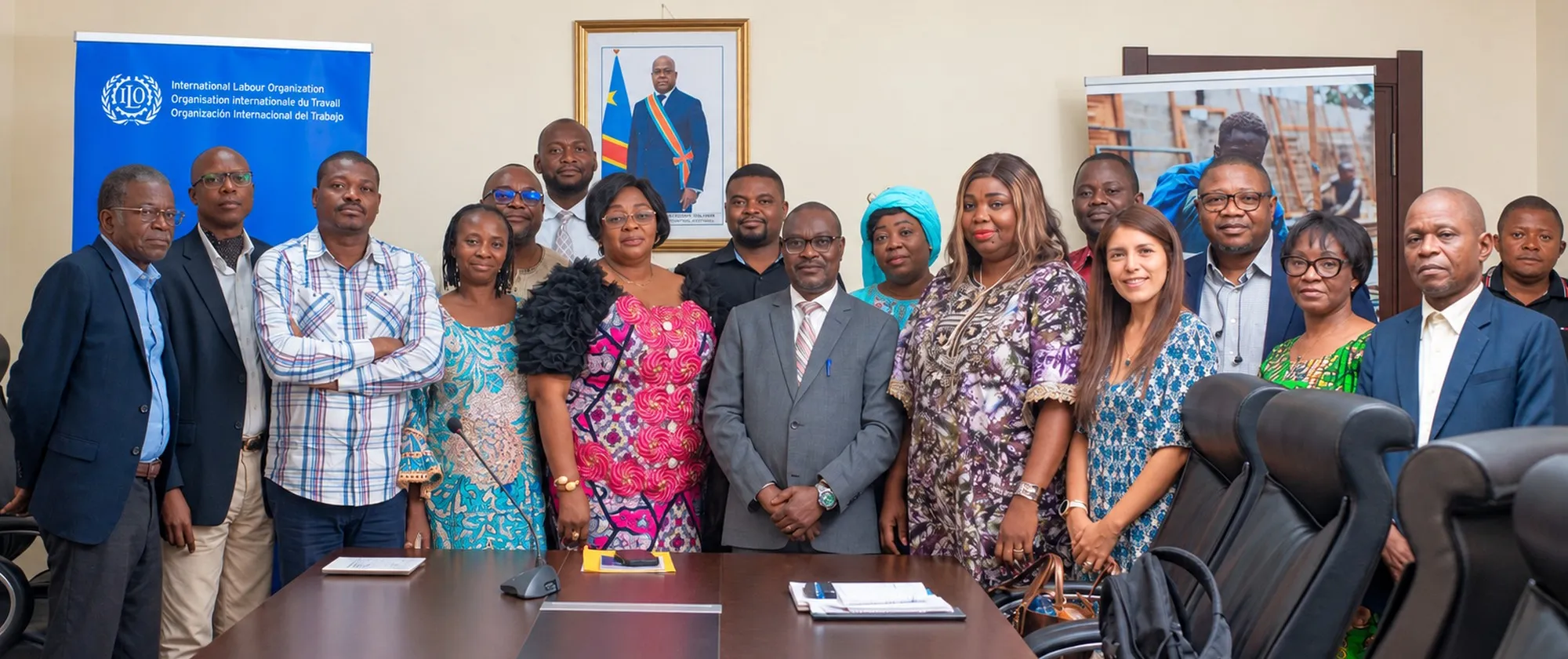
KINSHASA (ILO News) – The Democratic Republic of the Congo has launched a process to better anticipate the skills needed to support the transformation of its agricultural sector and strengthen links between the sector’s needs, training provision and employment policies.
Launched on 17 September in Kinshasa with support from the International Labour Organization (ILO), the process will examine the relevance and possible design of a sector skills mechanism adapted to the context of the Democratic Republic of the Congo.
The initiative forms part of the implementation of the national roadmap for the Global Accelerator on Jobs and Social Protection for Just Transitions, validated in June 2026. It is being carried out under the M-GA joint programme, Strengthening Social Protection Systems and Promoting Access to Decent Work in the Democratic Republic of Congo, supported by the Joint SDG Fund.
The launch meeting, held at the Ministry of Agriculture and Food Security, brought together representatives of the ministries responsible for agriculture, employment and labour, and vocational training, as well as employers’ and workers’ organizations.
Anticipating the skills agriculture needs
As the agricultural sector transforms, skills development can help support changing practices, the introduction of new technologies, the development of the agri-food sector and the strengthening of value chains.
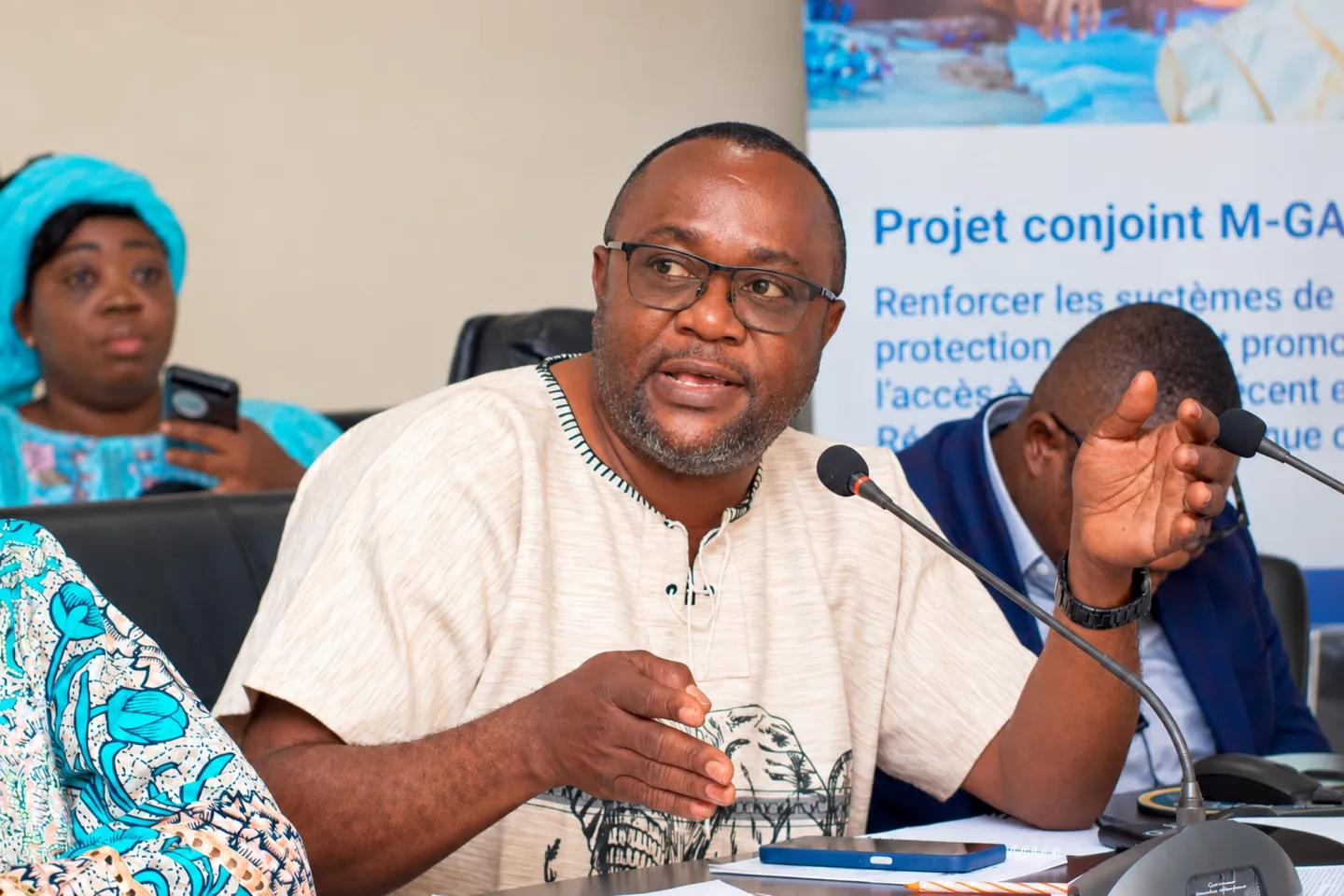
“For the DRC to fully harness its enormous agricultural potential and turn it into a real driver of economic diversification and job creation, it needs the skills required to support the sector’s transformation,” said Milagros Lazo Castro, ILO Skills and Employability Officer in Kinshasa. “The sector skills mechanism should start from the needs of the agricultural sector, identify and anticipate the skills required, and bring together economic actors, workers, public authorities and training institutions to respond to those needs.”
These changes are creating new skills needs for producers, workers, enterprises and other actors in the sector. A key challenge is therefore to better identify these needs, anticipate how they will evolve and enable skills development systems to respond effectively.
Sector skills mechanisms can contribute by creating a space for dialogue among actors in the productive sector, workers, public authorities and training institutions. In particular, they can help better align available skills with those required by the sector.
There is, however, no single model. Sector skills mechanisms take different forms depending on the country and sector. The process under way in the Democratic Republic of the Congo will therefore build on existing institutions and mechanisms and the realities of the agricultural sector to examine the options best suited to the national context.
A gradual and collaborative approach
During the first phase, the partners will work to develop a shared understanding of how such mechanisms operate, strengthen the capacity of a national technical group and map existing institutions and mechanisms.
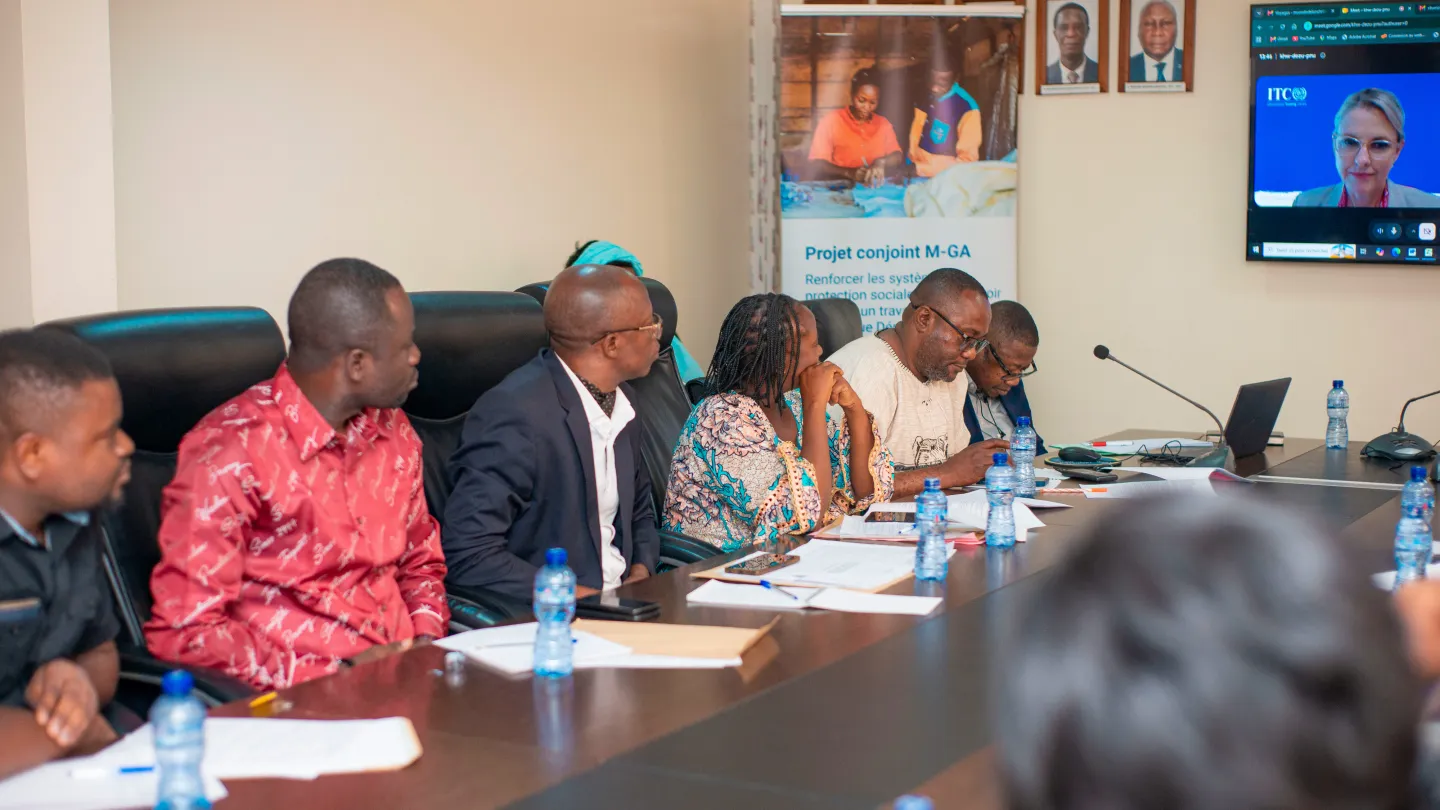
With technical support from the International Training Centre of the ILO (ITCILO), the work will also draw on a skills assessment already carried out in the cassava value chain and on consultations conducted at the national level.
Members of the national technical group, comprising experts from the relevant ministries and the social partners, will participate in online training on the implementation of sector skills mechanisms from 5 to 30 October 2026. The training will help deepen the knowledge needed to support the first phase of the process.
A subsequent phase will broaden consultations, continue capacity-building and examine in greater detail the different options for the institutional design of a mechanism suited to the agricultural sector in the Democratic Republic of the Congo.
Ultimately, the process aims to strengthen dialogue between the agricultural sector and actors working on skills development and employment. The goal is to better anticipate the skills required as agricultural and agri-food activities evolve, while strengthening the links between opportunities for workers, training provision and the needs of the productive sector.
About the Global Accelerator
The Global Accelerator on Jobs and Social Protection is a United Nations initiative aimed at accelerating progress towards the Sustainable Development Goals by promoting the creation of decent jobs and the extension of social protection. It brings together Member States, United Nations entities, international financial institutions, public development banks, social partners, civil society and the private sector to promote inclusive, resilient and sustainable growth.
Media contact
For more information:
- Jean-Lambert Mandjo, M-GA Project Coordinator, ILO Country Office for the Democratic Republic of the Congo, email: [email protected]
Partners

Acknowledgements
This joint programme, the M-GA Project, is supported by the Joint SDG Fund. We express our sincere appreciation to the European Union and the Governments of Belgium, Denmark, Germany, Ireland, Italy, Luxembourg, Monaco, the Netherlands, Norway, Poland, Portugal, the Republic of Korea, Saudi Arabia, South Africa, Spain, Sweden and Switzerland for their commitment and contributions, which are helping to accelerate progress towards achieving the Sustainable Development Goals.
Additional details
References
- DOI: N/A
Related content
WSSD2 Brief
From commitment to action: The Global Accelerator on Jobs and Social Protection for Just Transitions
Relevant projects
Multi-donor project
ILO Global Flagship Programme on Building Social Protection Floors for All

Rwanda
Building Social Protection Floors for All

Social protection
Building Social Protection Floors for All: Support to the Extension of Social Health Protection in Asia

Building Social Protection Floors for All - Phase II