

Djibouti Strengthens Labour Market Data Capacity
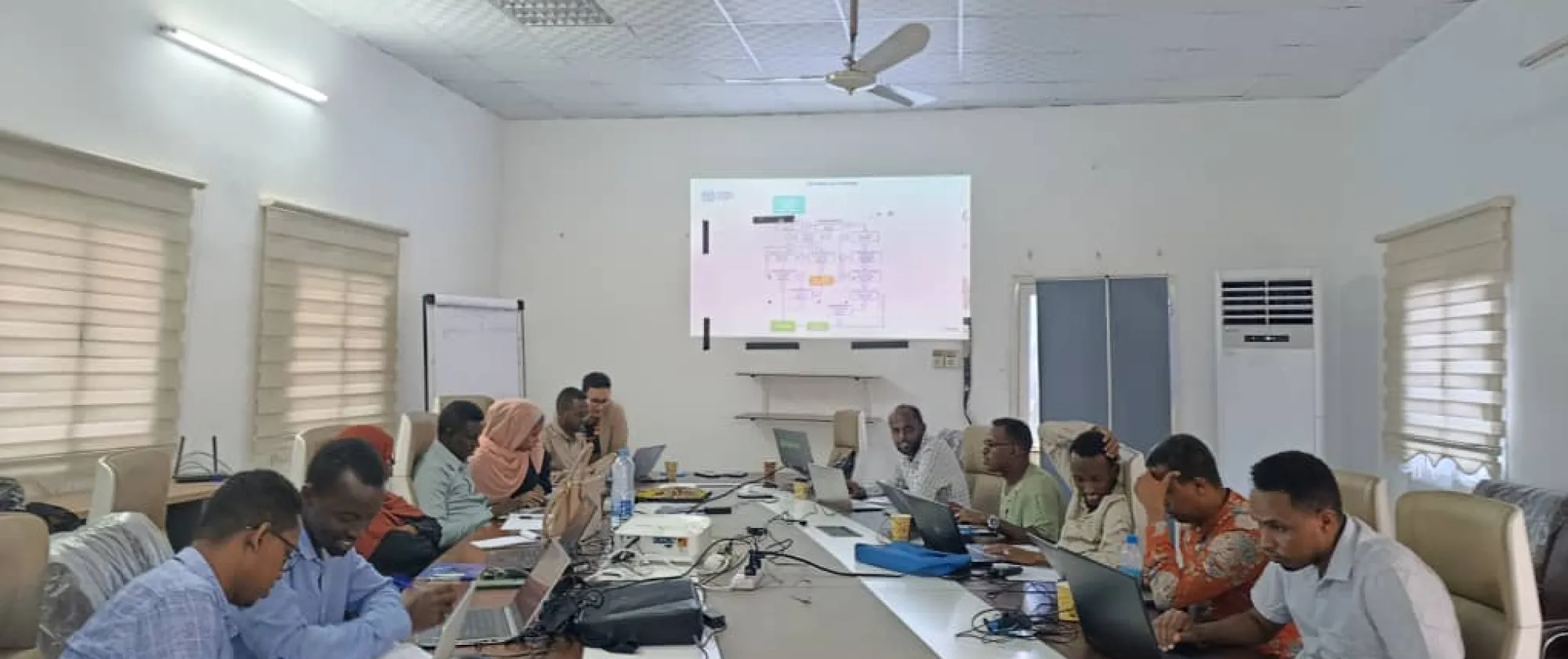
INSTAD and the ILO conducted a five-day training from 4–8 May 2025 to strengthen Djibouti’s capacity to produce reliable labour market statistics. Participants worked with data from the first quarter Labour Force Survey, generated key indicators aligned with ICLS standards, and drafted a preliminary labour market report—supporting the country’s progress toward a functional Labour Market Information System and evidence-based labour and migration policies.
12 May 2025
From 4–8 May 2025, INSTAD and the ILO held a training workshop to enhance the technical skills of statisticians and analysts in deriving and interpreting key labour market indicators from the country’s first-quarter Labour Force Survey (LFS). Participants produced key labour indicators aligned with ICLS standards and drafted a preliminary labour market report.
The workshop responds to the growing demand for accurate, timely labour market data to guide policy and decision-making. It aims to strengthen the capacity of INSTAD officials to produce internationally comparable labour statistics, particularly in line with the latest standards set by the 19th, 20th, and 21st International Conferences of Labour Statisticians (ICLS). These standards guide the measurement of employment, unemployment, labour underutilization, and labour migration, key indicators for tracking progress toward decent work and social inclusion.
The initiative contributes to Djibouti’s efforts to establish a functional Labour Market Information System. Participants are expected to be able to independently derive, analyze, and interpret key indicators that inform national labour and migration policies. The collaboration between INSTAD and the ILO reflects Djibouti’s ongoing effort to strengthen its statistical system and to ensure that policies on employment and migration are grounded in solid, reliable evidence.
Relevant projects

East and Horn of Africa
Better Regional Migration Management