

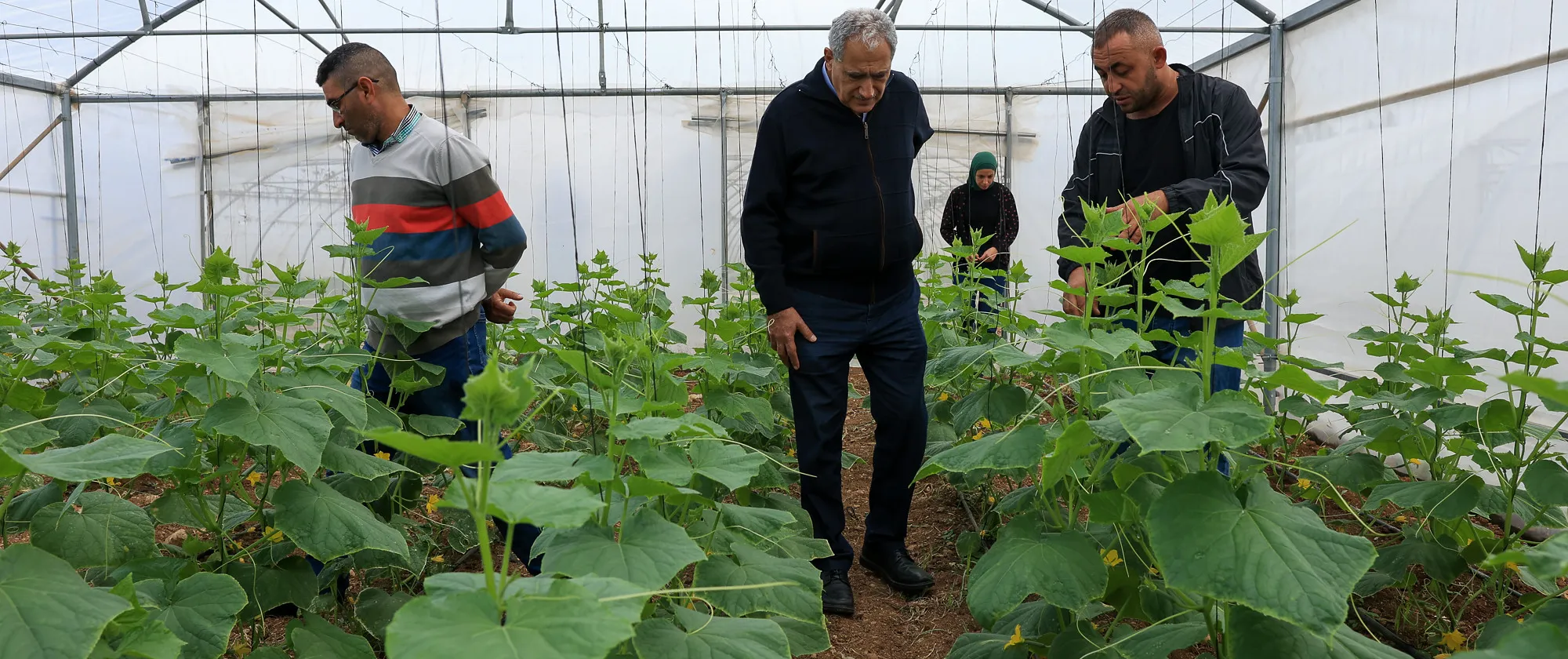
A deep dive into social protection for Lebanon’s agricultural workers and farmers
Confronting poverty of Lebanon’s agricultural workers: An integrated approach to extending social insurance to agricultural workers in Lebanon
11 September 2024
This collection of work on the state of social protection for agricultural workers and farmers in Lebanon includes a dedicated policy paper, a video series, social media cards, and a website providing extended regional context.
It emphasizes the urgent need for social protection coverage for agricultural workers and farmers across Lebanon, made more critical by the country’s economic crisis and the compounded challenges of climate change and environmental degradation, which intensify the vulnerabilities of these workers.
Agriculture in the Middle East and North Africa (MENA) region is of strategic importance due to limited water and land resources. One of the world’s most water-scarce regions, it faces increasing food demand and significant uncertainty in relation to climate change impacts, making efficient water use crucial.
Seventy percent of MENA’s poor live in rural areas where agriculture is vital for income generation and poverty reduction. Still, the sector faces numerous challenges, including low productivity, high input costs, weak institutions, and significant youth migration from rural areas and limited social protection for agricultural.
Lebanon is no exception.
Extending social protection to agricultural workers in the country is crucial for addressing poverty and vulnerability, providing decent work, and enhancing resilience to lifecycle, climate, security, and economic shocks. Lebanon’s first National Social Protection Strategy (NSPS), adopted in November 2023, envisions a society where all members can enjoy a decent life through a human rights-based approach that provides equitable, comprehensive, and sustainable social protection.
Still, much work remains to be done in the country’s agricultural sector.
Here, agricultural workers face significant risks, including age-related work instability, unemployment, and exposure to chemicals, and pesticides. They also face acute and chronic health risks from strenuous tasks, including injuries and musculoskeletal diseases, and exposure to harsh environmental conditions causing heatstroke, frostbite, and respiratory issues. Their proximity to animals increases the risk of zoonotic diseases, while climate change exacerbates these dangers and threatens their livelihoods.
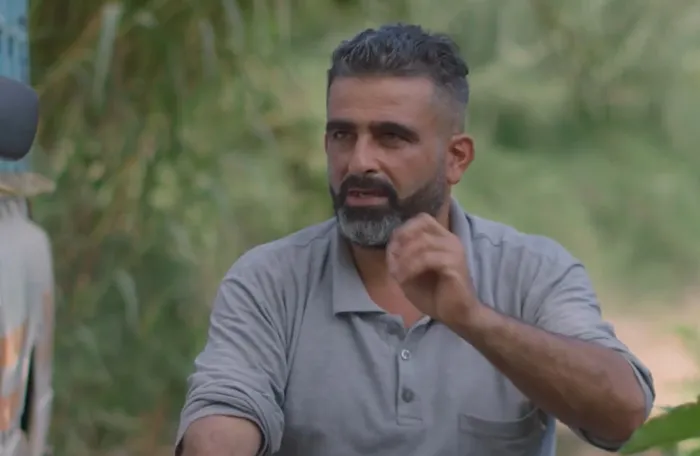
The story of Tony Al Hazoury and his struggle for a decent life
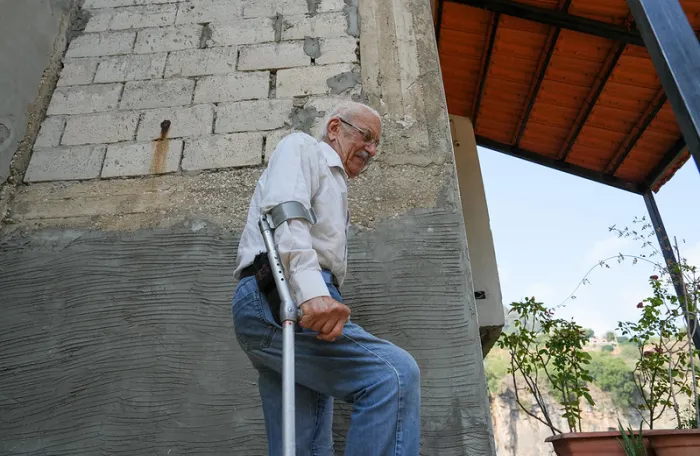
No rest in old age. The story of Chawki Boustani, who is still farming at 91
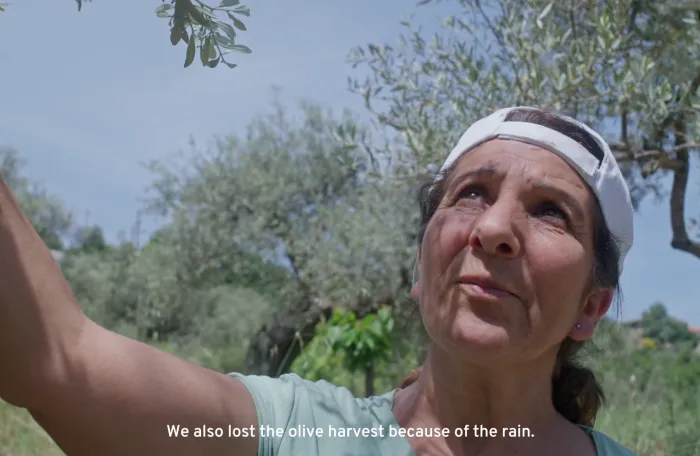
Farming in Lebanon: Aline Tannous Speaks on Hardship and Lack of Healthcare
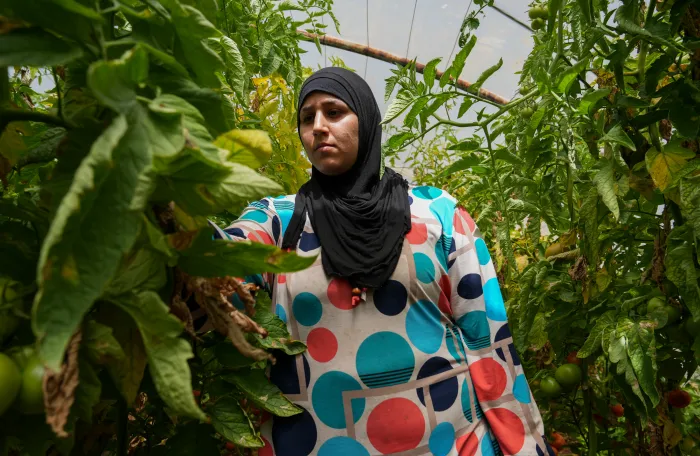
Building hope: Syrian farmer Fatima Tarek Al-Ahmad’s efforts to secure a brighter future for her family
Lebanon's agricultural workforce includes a diverse range of roles, from seasonal labourers to family members engaged in crop fields, orchards, glasshouses, and livestock units. Syrian workers, allowed to work in agriculture under a sponsorship system, represent a substantial segment of this workforce, but often face marginalisation due to stringent regulations and limited access to residency and work contracts.
While permanent employees in agri-food industries and Lebanese agricultural workers in strictly agricultural enterprises are covered under the National Social Security Fund (NSSF), compliance remains low. Non-nationals, despite being required to contribute, are ineligible for benefits.
Non-permanent agricultural employees and self-employed farmers are excluded from the Labour Code, and their inclusion in the NSSF, as mandated by Article 12, has been indefinitely postponed. Also, Lebanon has not ratified key international conventions on social security and occupational safety in agriculture, leaving workers without adequate protections.
This situation must be viewed in the context of Lebanon’s underdeveloped agricultural sector, which suffers from limited support and minimal modernization. Key issues include widespread informality, insufficient public funding, and significant inequalities. Ten percent of landowners control over two-thirds of the land, while 70 percent of farmers work on plots smaller than one hectare.
This body of work aims to highlight the significance of including agricultural workers, farmers, and those in the agribusiness sector in Lebanon’s social insurance system expansion and reform efforts. It examines the barriers and enablers to extending contributory schemes to agricultural workers, identifying legal, financial, administrative, and political obstacles, as well as potential enablers for future policymaking.
The acute and multidimensional risks associated with agricultural work, highlighted in the following compilation, show the urgent need for comprehensive social protection. This protection is essential for both immediate and long-term care, safeguarding workers’ welfare and addressing the escalating hazards posed by climate change across the country.
MENA Policy Incubator on Social Insurance for workers in Agriculture
socialprotection.org is an online member-based knowledge sharing and capacity building platform, open to social protection practitioners, policy-makers, and experts, as well as academics and students. The platform is currently hosted by the UN
Expert Group Meeting report - Policy incubator on extending social insurance for agriculture workers in the MENA Region
FAO and ILO engaged with practitioners and policymakers in the MENA region to advance the understanding of the institutional, administrative and financial barriers that hinder the in the inclusion of agricultural worker in social insurance schemes.
Relevant projects

ILO-Netherlands Partnership
Partnership for improving prospects for forcibly displaced persons and host communities (PROSPECTS) in Lebanon
Programme
Partnership for improving prospects for forcibly displaced persons and host communities (PROSPECTS)