

Child Labour
A conversation with Ugandan trade unions
Coffee is one of Uganda’s most important agricultural commodities, supporting the livelihoods of an estimated 12 million people and contributing significantly to national export earnings.
21 September 2026
Uganda’s coffee is predominantly produced by smallholder farmers, many of whom face significant challenges and work under precarious conditions. Low productivity and incomes often prevent coffee-producing households and workers from meeting their basic needs, creating conditions that increase the risk of resorting to child labour. The participation of children in Uganda’s coffee supply chain is widespread, especially among the smallholder farmers.
The coffee supply chain is characterized by a concentration of market power among a relatively small number of large traders, roasters, and retailers, while production is carried out by a large number of smallholder farmers with very little bargaining power. Along with the concentration of market power, the low level of collective organization of farmers also hinders their ability to negotiate better prices and other improvements. Most coffee farmers have poor bargaining power due to their limited organizational level and lack of support services. In Uganda’s coffee supply chain, very few coffee workers are unionized and the coverage of collective bargaining agreements (CBAs) remains limited. Although some collective bargaining agreements (CBAs) exist, provisions relating to the prevention and remediation of child labour remain limited or absent.
Recognizing that fundamental principles and rights at work are mutually reinforcing and interdependent, the International Labour Organization (ILO), through the CLEAR Supply Chains project, advances an integrated area-based approach to address the root causes of child labour in Uganda’s coffee supply chain. The project has collaborated with workers’ organizations to strengthen the collective voice of coffee farmers and workers to defend their shared interests, in turn rendering them resilient to the risks of other violations such as child labour and hazardous work. A capacity-building program on child labour, freedom of association and collective bargaining in Uganda’s coffee supply chain was rolled out for the National Organization of Trade Unions (NOTU), the Central Organization of Free Trade Unions (COFTU), and their affiliated unions, including National Union of Cooperatives, Commercial Agriculture and Allied Workers Uganda (NUCCAAWU) and Uganda Farm and Agro-Based Workers Union (UFABWU).
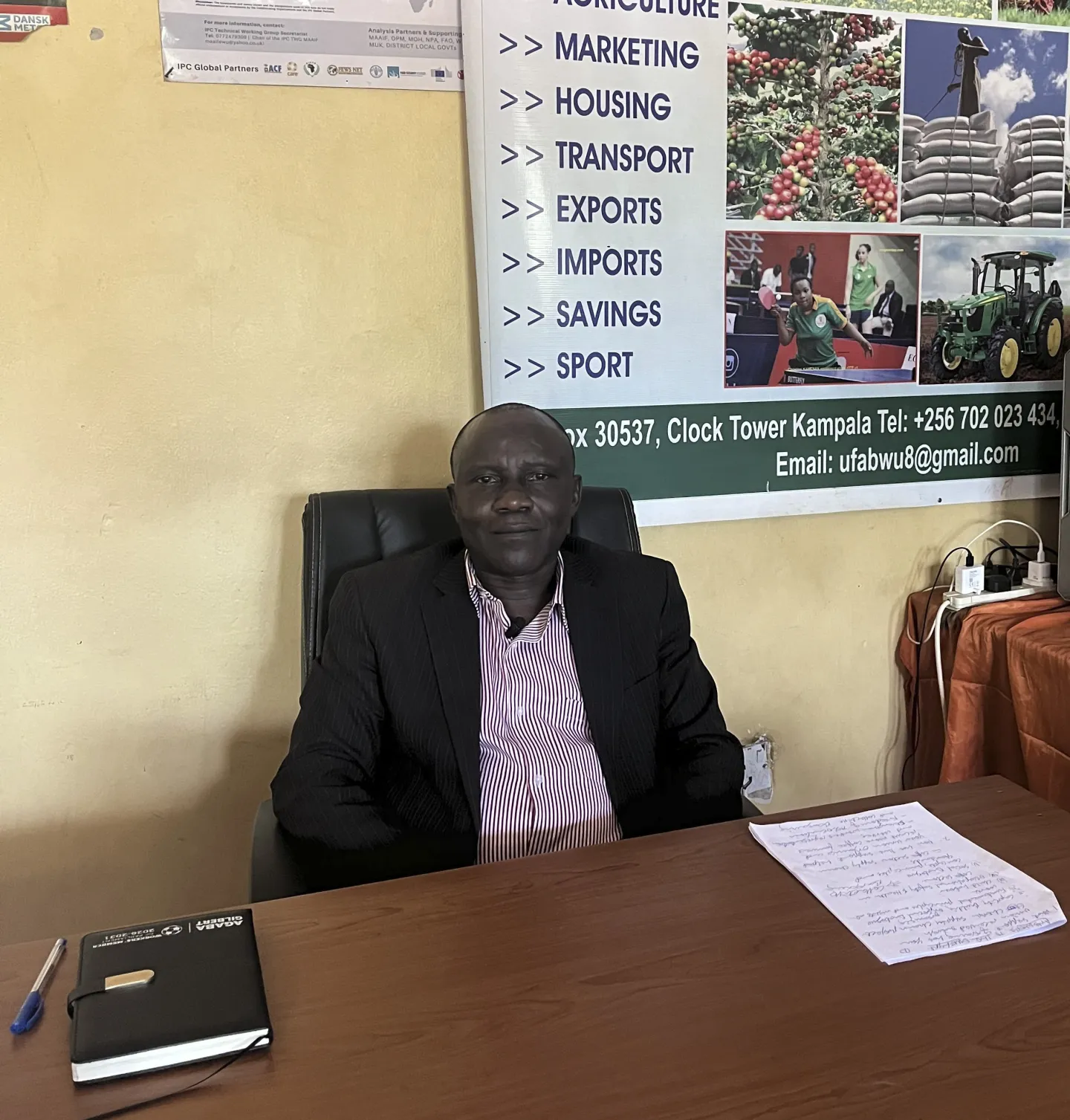
To understand the impact of these efforts, we spoke with Juliet Kutyabwana, General Secretary of NUCCAAWU, affiliated to NOTU, and Nelson Wafana, General Secretary of UFABWU, affiliated to COFTU.
How has the project strengthened workers’ organizations?
Juliet Kutyabwana
"The capacity building program strengthened NUCCAAWU’s ability to organize coffee farmers and workers and engage more effectively with cooperatives and coffee-processing companies. With the support of the project, we have received training in collective bargaining, negotiation skills and mobilization of workers. These trainings have strengthened our capacity to represent workers more effectively and expanded our outreach to coffee farmers, workers, cooperatives and coffee-processing companies. As a result, NUCCAAWU expanded its outreach to farming communities, signed four recognition agreements with cooperative societies in Kalungu District and strengthened engagement with coffee-processing companies. The union also initiated negotiations on several collective bargaining agreements and supported the review of existing agreements to better protect workers’ rights."
Nelson Wafana
"Growing up in a coffee-growing community, I used to think that children helping their parents on the farm was normal. Through the CLEAR Supply Chains project, we came to understand the difference between normal family support and child labour. Building on this understanding, UFABWU intensified community sensitization efforts on child labour, workers’ rights and social dialogue, and supported strengthen workers’ organization and increase union membership in coffee-growing communities."
What changes are workers and farmers seeing in their communities?
Juliet Kutyabwana
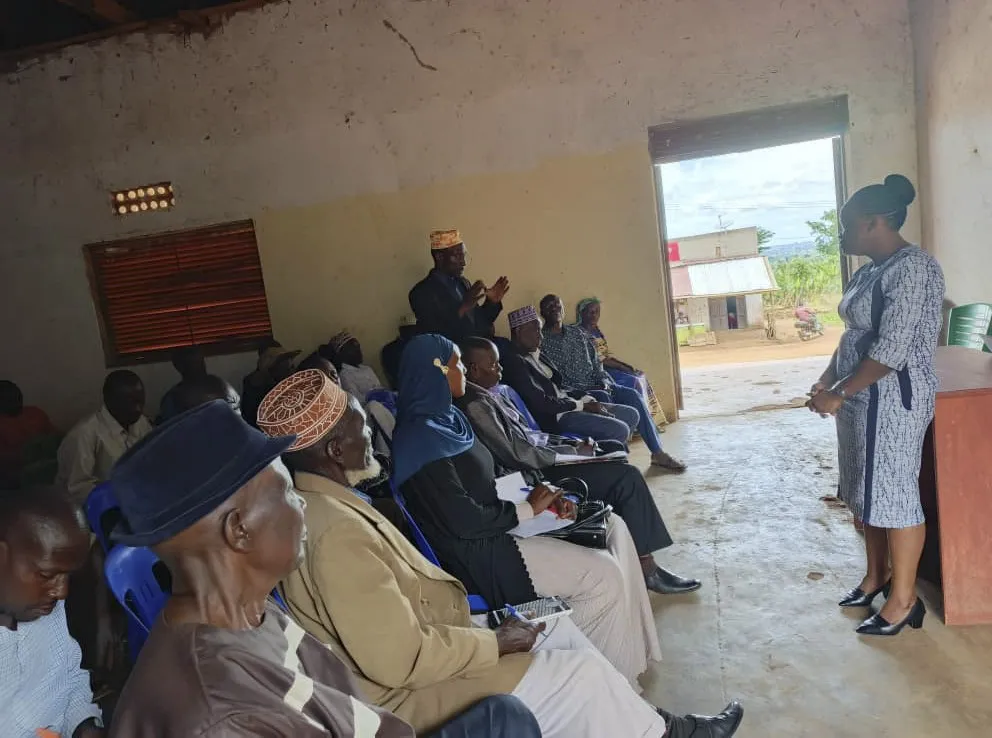
"One of the most significant achievements has been the growing recognition among farmers of the importance of joining both cooperatives and trade unions to improve their social and economic welfare. The project also helped strengthen cooperative governance through improved record-keeping and management practices. These improvements increased transparency and accountability, encouraged greater farmer participation and contributed to increased involvement of women and young people in cooperative and union activities. The project has helped us grow our membership base and expand workers' representation throughout the coffee sector."
Nelson Wafana
"Families are increasingly recognizing the importance of keeping children in school and protecting them from hazardous work, while workers are becoming more aware of their rights and their ability to participate in social dialogue and union activities. Women are also beginning to engage more actively in discussions affecting their livelihoods and families."
How did the project support the review or negotiation of collective bargaining agreements?
Juliet Kutyabwana
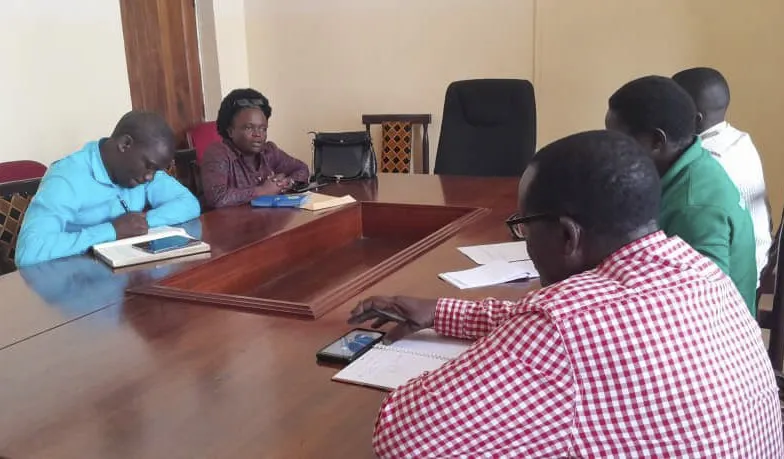
"The project provided practical tools to strengthen ongoing collective bargaining processes in the coffee value chain. NUCCAAWU is currently negotiating several collective bargaining agreements and has reviewed existing agreements to strengthen provisions related to child labour, occupational safety and health, freedom of association and workers’ representation. Currently, seven collective bargaining agreements are being negotiated and three are being reviewed to include clauses on child labour and non-discrimination. The revised clauses clearly outline the responsibilities of cooperative societies, farmers, workers and trade unions, while reinforcing compliance with fundamental principles and rights at work. One of the CBAs that is being reviewed is with Masaka Cooperative Union (MCU), which represents thousands of coffee farmers in the Greater Masaka region."
Nelson Wafana
"It helped in the advocacy for labour protection within coffee enterprises. A key improvement has been the inclusion of provisions addressing child labour prevention and protection, which were previously absent from many agreements. The union has submitted proposals to employers, including coffee-sector companies, to ensure that child labour prevention and workers’ rights are reflected in collective bargaining and workplace agreements."
What challenges remain and what comes next?
Juliet Kutyabwana
"High levels of informality continue to affect workers across the coffee sector, particularly women working on farms and within cooperatives. They do not have formal employment contracts, leaving them vulnerable and reducing their access to labour protection measures. Through cooperatives, farmers can benefit from collective bargaining agreements and improved labour standards. As membership grows, more workers, especially women at the grassroots level, can benefit from these protections. Government support for cooperatives is also critical. Cooperatives are well positioned to reach farmers and communities at the village level. Greater integration of cooperatives into government programmes, such as the Parish Development Model, could expand their impact and strengthen support to rural communities. Strengthening cooperative membership, expanding worker representation and improving labour protections remain therefore priorities for the future."
Nelson Wafana
"Limited awareness of labour rights, poverty and inadequate access to information continue to affect many workers, especially women and young people. The union sees a continued need for awareness raising, financial literacy, alternative livelihood opportunities and capacity building for workers and farming communities."
Despite these challenges, both union leaders believe the project has created a strong foundation for future action. They acknowledge that the CLEAR Supply Chains project has opened important entry points and created opportunities for engagement with farmers, workers, cooperatives and employers to promote decent work for women, men and youth in the coffee supply chain.
Additional details
References
- DOI: N/A
Relevant projects

Child labour
CLEAR Supply Chains: Ending child labour in supply chains