


Tourism
Community-based tourism in Jaflong: creating jobs and nurturing nature
The ILO, in collaboration with the Bangladesh Tourism Board, has helped launch a community-based tourism (CBT) model in Jaflong that welcomes visitors to experience the vibrant Khasi cultural heritage while ensuring community ownership and equitable benefits.
26 September 2025
DHAKA (ILO News) – “When Marta came to my house to stay as a tourist, I was worried, would she really like it here? But she loved it. We shared stories about our Khasi culture, the life and livelihoods of people in the community and she told me about her life in Italy as well.” recalls Sadhona Dikhar, one of the homestay hosts in the Khasi Punjee of Jaflong, Sylhet.

Perched on the banks of the crystal-clear Piayn River and ringed by rolling tea gardens, Jaflong is a jewel of Bangladesh’s Sylhet division. Today it offers visitors more than just spectacular scenery. A unique community-based tourism (CBT) model invites travellers to experience Jaflong’s vibrant Khasi cultural heritage while ensuring the local community’ ownership and equitable benefits.
A Community-driven model
With technical support from the ILO ProGRESS project and the Bangladesh Tourism Board, the Jaflong CBT model was launched in April 2025. At its heart is a Destination Management Committee (DMC), formed by the headmen of each participating Khasi villages. The body oversees tourism operations, from homestays to cultural programming, managing tourism income, and decision-making within the community and guaranteeing authenticity and safety.

Jobs, skills, and women’s leadership
The model focuses on empowering women and youth through relevant skills development and appropriate enterprise development interventions, aligned with the Sustainable Development Goals on poverty reduction, gender equality, decent work, and climate action. As part of an eco-tourism approach, local residents received training in hospitality, homestay management, cooking, tour guiding, handicrafts, and environmentally sustainable business practices. The ProGRESS project also connects nearby public and private training institutes with the community, building capacity to deliver the services CBT requires while protecting Jaflong’s natural and cultural treasures. Homestay operators were connected with tour operator associations and women-led enterprises with markets and exporters.
So far, 58 members of the Khasi community have completed training in homestay management, housekeeping, cooking, and tour guiding, along with Gender and Entrepreneurship Together training, enabling them to successfully operate the community-based tourism model.

This model will generate about 50 direct tourism jobs and benefited more than 1,200 residents. The ILO, together with the Bangladesh Tourism Board, also developed the Community-Based Tourism Guideline and introduced a comprehensive Code of Conduct to ensure responsible and inclusive tourism practices.
Immersive experiences for visitors
Travelers can stay in four Khasi-run homestays, sharing daily life with families and savouring traditional cuisine like Ja Doh (spiced rice with meat) and Doh Kleh (meat salad) prepared from fresh local ingredients. The itinerary features:
- Cycling and trekking through tea estates and forest trails
- Boating and fishing on the Piayn River
- Evening storytelling with elders who recount Khasi legends
- Visits to the Jainta King Palace, hidden waterfalls, and the serene wetlands of Shapla Bil
- Cultural music and dances
- Bonfire experiences with community
A modest green activity fee from the tourists supports waste management and conservation measures, ensuring that tourism activities protect the natural environment, preserve cultural heritage and generate benefits for the Khasi community.

Real impact, real stories
Since the launch, local people have developed new income opportunities from tour guiding, homestay hospitality, cultural performances, traditional cuisines and souvenir handicraft sales.
Sorina Khongstia, a newly trained tour guide, greeted visitor Martha at the riverbank and led her on a walk through the villages. “I love guiding—it’s a new skill that has opened a path for me to earn an income,” Sorina said. “I was amazed when Martha sang a Baul folk song with our community!”
Nearby, Clara Khonglah runs the community souvenir shop and washroom, working alongside artisan Markut Lamin. Their handmade crafts, using locally sourced materials, are selling fast. These businesses are applications of the knowledge and skills Clara and other women obtained from Gender and Entrepreneurship Together (GET Ahead) training course coordinated by ILO’s ProGRESS Project. She noticed that many neighbours are now eager to learn souvenir-making techniques and start their businesses as well.
Marta Mattalia, the Italian tourist who stayed at Szirom Homestay, calls the experience unforgettable: “The family house is surrounded by nature, and the welcome was the warmest I’ve ever received. Sadhona’s home-cooked food and the chance to learn Khasi traditions were unforgettable.”
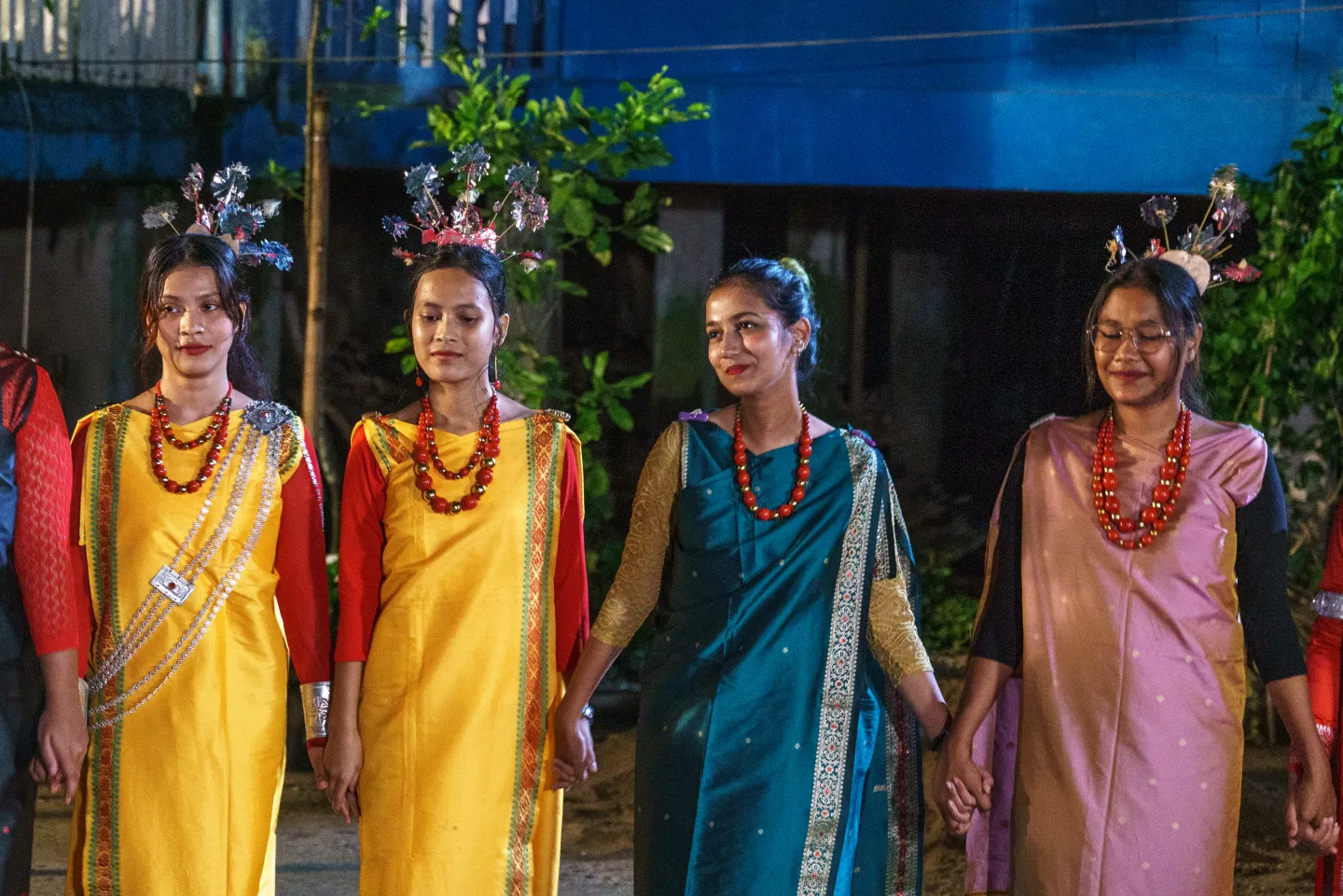
A model for sustainable tourism
Government officials and local authorities see Jaflong as a blueprint for inclusive, eco-friendly tourism. “This initiative shows how tourism can drive economic growth and protect the environment,” says Fatema Rahim Veena, Additional Secretary of the Ministry of Civil Aviation and Tourism.
Nerola Tongsong, Adviser to the DMC, reminds visitors to respect the code of conduct to respect and preserve the community’s way of life.
As travellers sip Khasi tea at sunrise or join a village bonfire under the stars, they discover more than a hidden gem. They discover new perspectives how to help shape a future where tourism uplifts communities, safeguards nature, and celebrates the unique culture of the Khasi people.
Promotional video
Related content

Project: Employability of women workers
Promoting Gender Responsive Enterprise Development and TVET Systems (ProGRESS)

Tourism
Bangladesh Tourism Board and ILO launch community-based tourism in Jaflong to empower the local Khasi community

World Tourism Day
Tourism in Bangladesh: A catalyst for job creation
Relevant projects
Project: Employability of women workers
Promoting Gender Responsive Enterprise Development and TVET Systems (ProGRESS)