

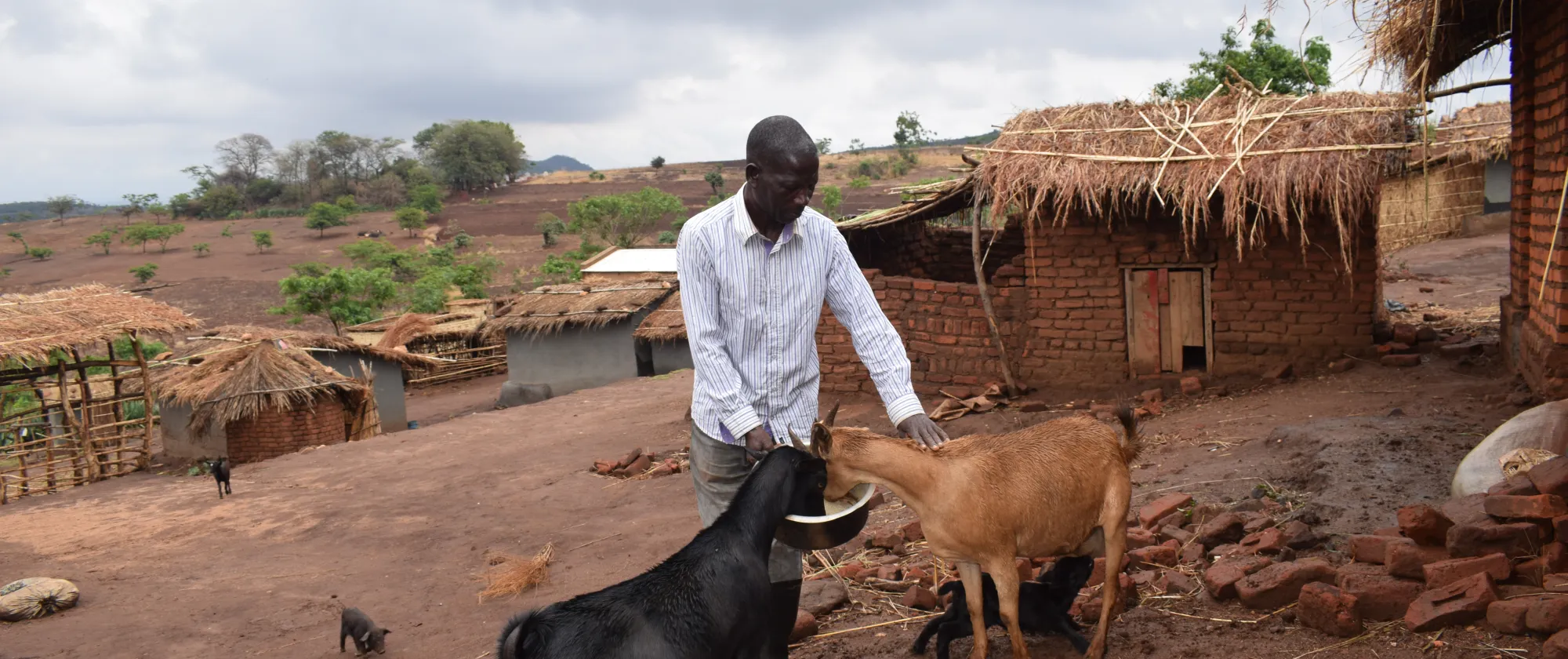
A coffee farmer’s path to resilience in Malawi
Discover the impact of the ILO ACCEL Africa project, financed by the Ministry of Foreign Affairs of the Netherlands, in Malawi’s coffee supply chains. Follow Ganizani Jekete’s journey from low yields and financial hardship to improved harvests, increased income, and community leadership.
9 October 2025
NTCHISI, MALAWI (ILO News) - Ganizani Jekete, a 63-year-old coffee smallholder farmer from Mtchera Village in Ntchisi, is now happy to see his livelihood improving after his participation in the ACCEL Africa project. Ganizani is married and has four children, two of whom are still in school.
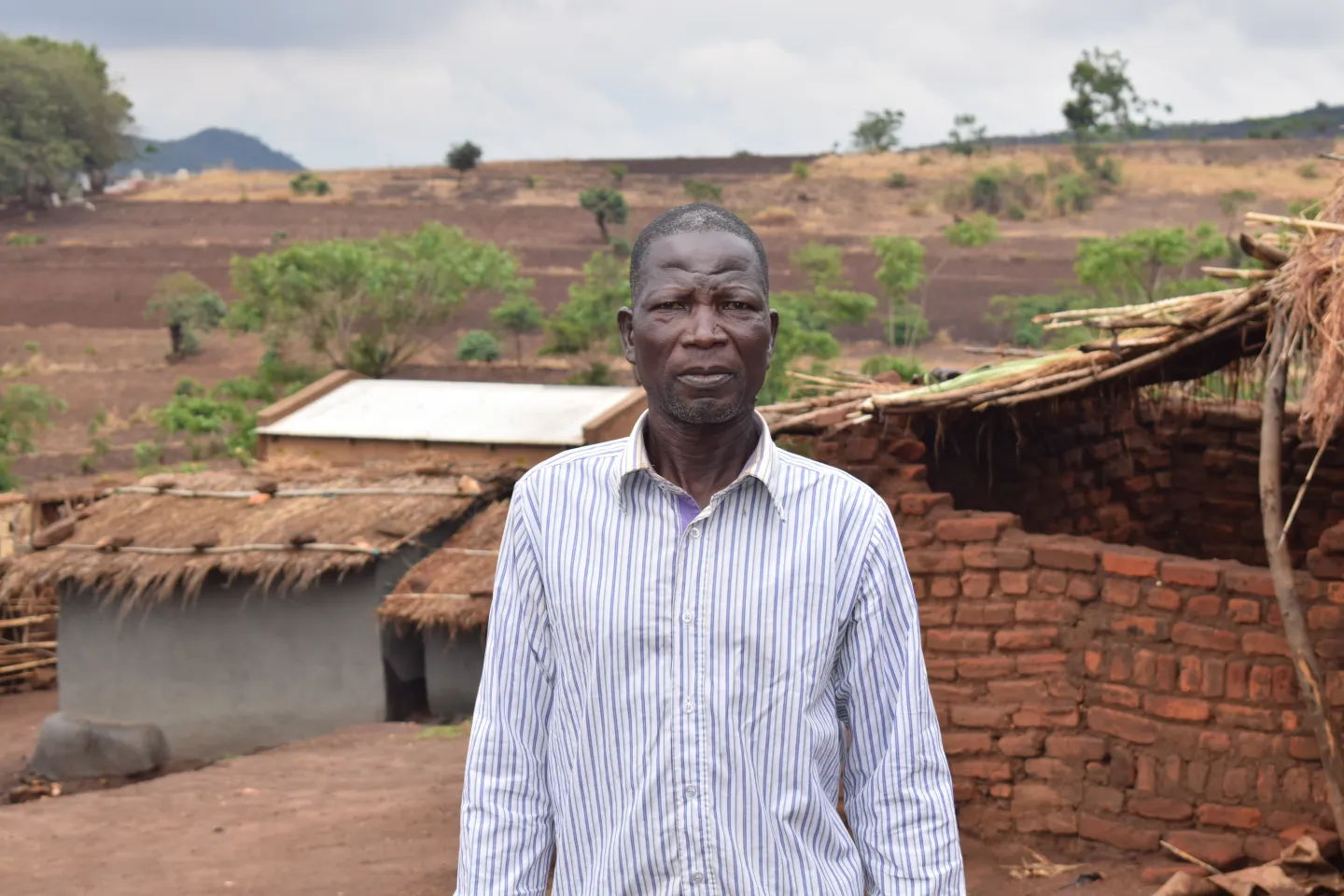
Reflecting on how his life was before the project’s support, Ganizani says:
“There were times when I could not manage to provide food for my family, scholastic materials for my children, and I could not support my family to access health care if they got sick.” Ganizani
Ganizani is a farmer who practises crop diversification with coffee, onion, maize, and soya, and he also rears livestock. However, he was not producing enough crops to earn a living wage for his family, which he attributed to high fertiliser costs and lack of manure.
“The crop which is most beneficial for us is coffee. This is sold through the cooperative. However, most of the times payments are delayed,” Ganizani.
The ILO, with funding from the Government of the Netherlands through the ACCEL Africa project between 2022 and 2023, provided support for economic empowerment with the aim of improving livelihoods for coffee-growing communities in Mzimba, Ntchisi and Chitipa, and tea-growing communities in Thyolo and Mulanje Districts. A total of 250 people (143 men and 107 women) and 250 people (67 men and 183 women) from the coffee and tea-growing districts respectively benefited. This was done in collaboration with the Impact Center for Economic Empowerment and Development (ICEED), district councils, and coffee and tea cooperatives and associations.
The approach included the development of business groups and capacity building on business planning and management using the ILO’s Start and Improve Your Business (SIYB) modules, while also highlighting the dangers of child labour. The groups were provided with start-up capital for their businesses.
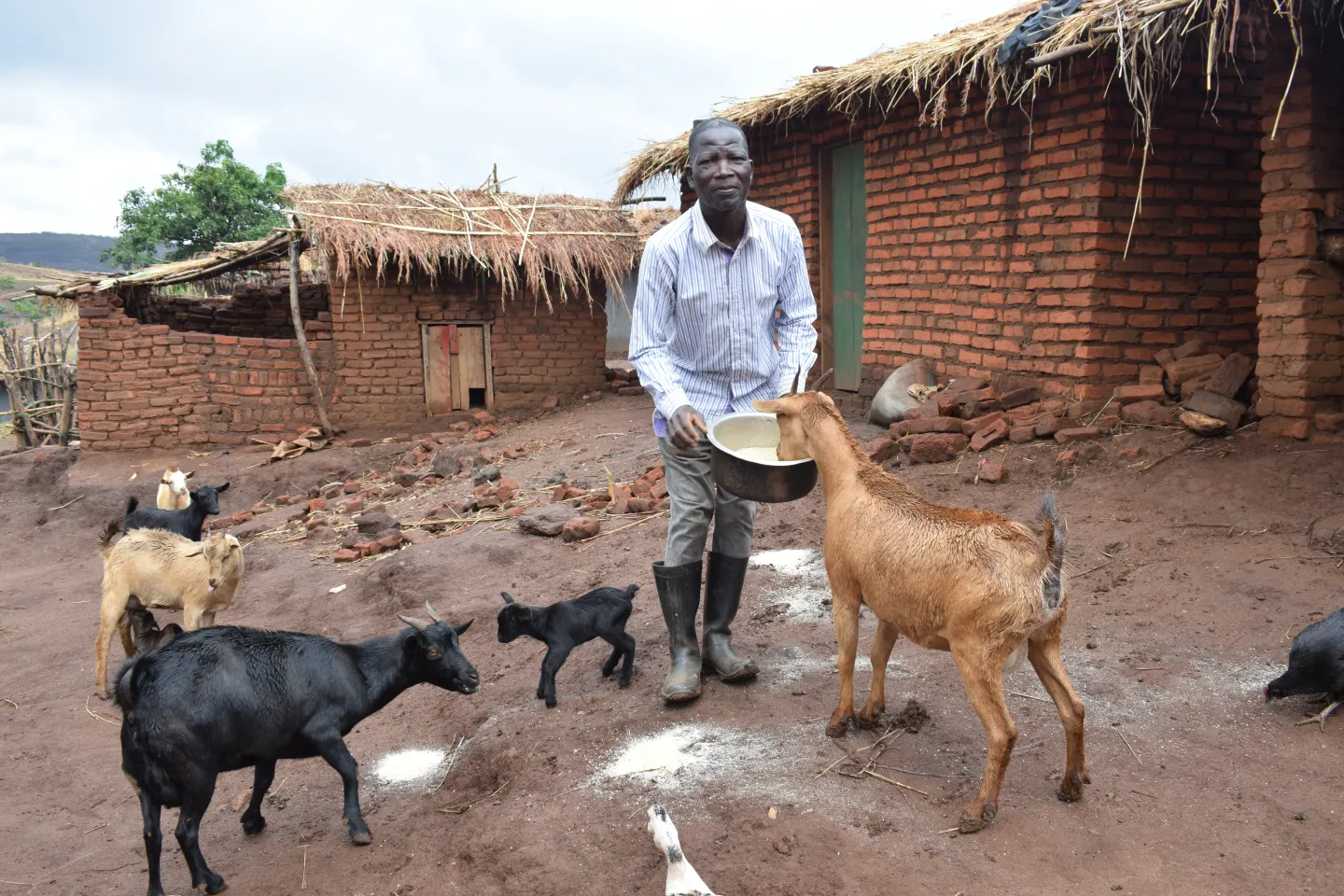
Ganizani Jekete is the Chairperson of the Kalikokha Business Group in Ntchisi District, which initially had four members, three of whom are women. The group received MWK 360,000 (205.60 USD), which was divided equally among the four members for their respective businesses. Ganizani used MWK 30,000 to build a kraal, and MWK 60,000 to buy two goats. The group also received training on livestock management and child labour.
He began making manure using goat dung and other organic materials, which he applies on his farm to improve yield.
There has been visible change in Ganizani’s life, which he is happy about. Using the same farmland and applying manure with a reduced amount of fertiliser, the yield from his crops greatly improved between the 2023/2024 and 2024/2025 seasons, with percentage increases in the production of potato, onion, and maize ranging from 9% to 65%. Income from potato and onion sales increased to MWK 4,500,000 (2,569.96 USD) and MWK 2,000,000 (1,141.20 USD) respectively.
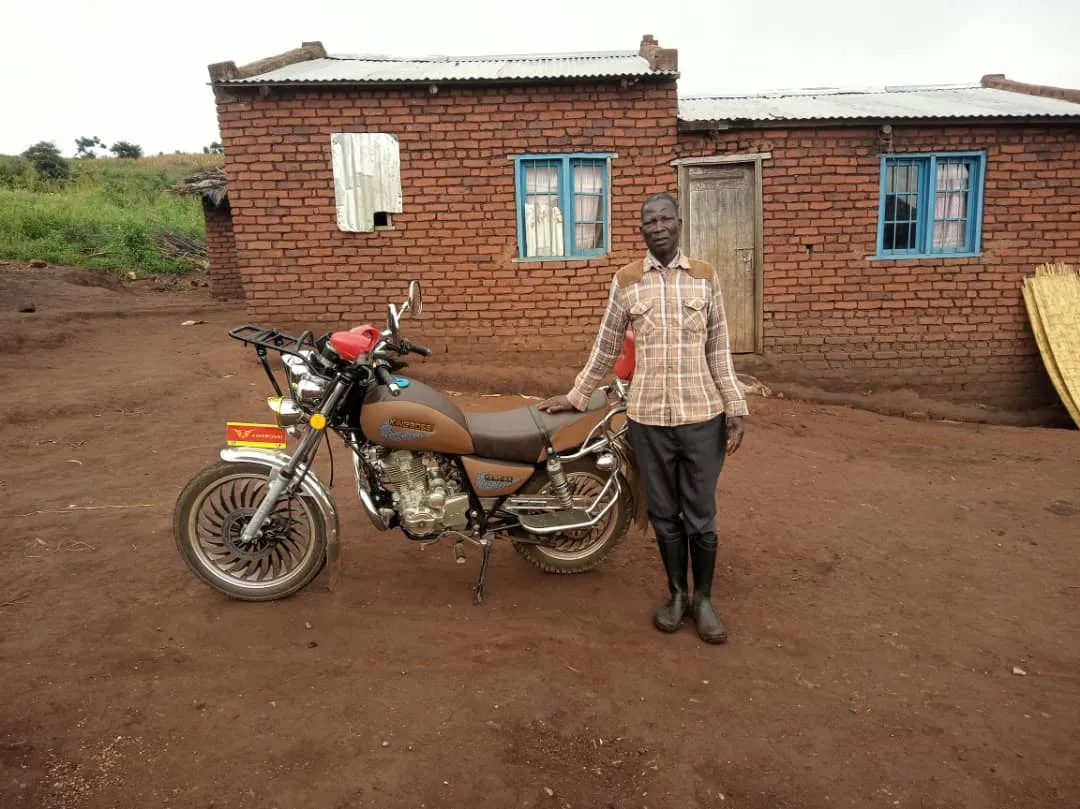
The increase in income from farming has allowed Ganizani to better provide for his family, ensuring they have enough food and that his two school-age children are fully supported. Over time, he has been able to invest in assets he once considered out of reach. He purchased a cow in 2023, which has since multiplied, strengthening his household’s resilience. He also acquired a motorcycle, which now supports both his business activities and personal mobility. In addition, Ganizani expanded his agricultural production by buying two acres of farmland, where he now cultivates maize and potatoes.
Furthermore, the wider community is also benefiting, as Ganizani now trains other farmers on how to make and apply manure. He uses his Village Savings and Loans Association (VSLA) group as an entry point to share the skills more easily. Membership in the group has grown to 11 people (9 women and 2 men), an expansion driven entirely by the members themselves. Ganizani has already trained the other 10 members in manure production, including nine women.
Relevant projects
Accelerating action for the elimination of child labour in supply chains in Africa (ACCEL Africa)