

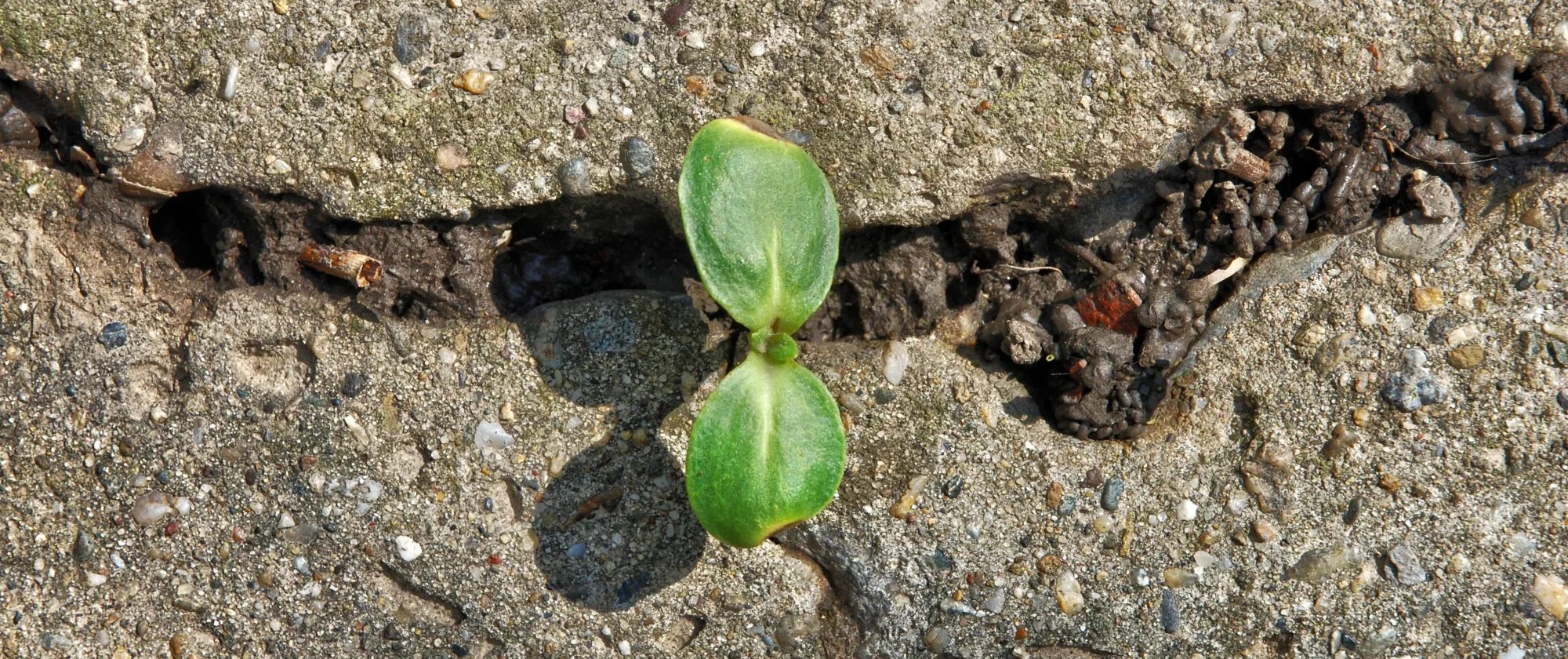
Climate resilience as a key safeguard against child labour
ACCEL Africa is piloting climate-smart innovations to combat child labour in Africa's cocoa and cotton sectors. By tackling climate-driven poverty and household vulnerability, the project supports sustainable farming practices like biochar, biodigesters, and agricultural insurance to build family resilience, boost incomes, and protect children from harmful work.
12 June 2025
As climate change intensifies, it is upending livelihoods across Africa—particularly among rural farming communities whose survival depends on increasingly erratic weather patterns. In the face of lost crops, rising food prices, and deepening poverty, families often resort to child labour as a last resort.
According to the 2024 Global Estimates, there are still 138 million children in child labour, and sub-Saharan Africa continues to bear the highest burden. The region has experienced the largest increase in child labour in recent years—driven by poverty, conflict, and increasingly, climate-related disruptions. Left unchecked, climate change could reverse decades of progress, further entrenching vulnerability.
The ACCEL Africa project is tackling this urgent challenge by focusing on the root causes. Through its livelihood’s component, the project is piloting innovative climate-smart solutions that reduce household vulnerability, stabilize incomes, and strengthen the resilience of families in cocoa and cotton value chains.
The climate–child labour nexus: a vicious cycle
Climate shocks hit the poorest first and hardest. When families lose their crops, income, or homes, their children are often pulled from school and pushed into work. Our experience confirms several key drivers:
- Loss of livelihoods caused by droughts, floods, and extreme heat.
- Food insecurity and rising malnutrition, which increase household stress.
- Displacement and migration, disrupting access to education and social protection.
- Scarcity of resources, fuelling tensions and exploitative labour practices.
These pressures compound existing inequalities and erode the protective environment around children. To break this cycle, climate responses must be integrated with child protection and decent work strategies.
Piloting solutions that work for people and planet
Since 2024, the ACCEL Africa project launched targeted interventions in Côte d’Ivoire, Ghana, and Mali that illustrate how climate-smart innovations can directly contribute to child labour prevention:
Biochar for soil regeneration and carbon revenue in Côte d’Ivoire and Ghana
Farmers in cocoa-growing cooperatives are supported to convert cocoa pod husks into biochar, an organic soil enhancer that improves yields, conserves water and restores soil fertility. The initiative is being developed with a carbon credit component, enabling producers to earn supplementary income through climate finance mechanisms.
Biodigesters for Energy, fertility, and gender equality in Mali
Cotton-producing households would start testing biodigesters that turn livestock waste into biogas and biofertilizer. This clean energy reduces reliance on firewood, lowers input costs, and contributes to better crop productivity.
Importantly, biogas also reduces women’s domestic workload, as it eliminates the need to collect firewood. This time savings is not only a health benefit—it enables women to pursue income-generating activities, contributing to both economic empowerment and improved household resilience.
Agricultural index insurance for income protection in Mali
Through a pilot managed by partners, farmers in the cotton sector have been enrolled in agricultural index insurance schemes. The product covered climate related risks like drought, flood, pest, helping farmers manage seasonal income volatility and plan with greater confidence—without relying on harmful coping mechanisms like child labour.
Early signals of change and long-term vision
Although these interventions are still at an early stage, they offer a promising model of how to integrate environmental, economic, and social protection into a single strategy. Climate-smart innovations that increase income, reduce risk, and empower women can be powerful tools in our fight against child labour.
ACCEL Africa is committed to generating robust evidence from these pilots and working with partners to scale what works. These approaches are not simply about new technologies—they reflect a systems shift: investing in resilience as a pathway to decent work and childhood protection.
Stay connected to follow the evolution of these pilots—and to explore how financial and climate innovation can drive lasting change for children, families, and communities. Follow our work by registering to our newsletter here.
Related content
![Issue paper on child labour and climate change [cover]](/sites/default/files/styles/cards_4_desktop/public/2024-04/Issue%20paper%20on%20child%20labour%20and%20climate%20change.jpg.webp?itok=RxCFXGD6)
Issue paper
Issue paper on child labour and climate change
Relevant projects
Accelerating action for the elimination of child labour in supply chains in Africa (ACCEL Africa)