

Climate action
Climate justice in Kenya begins with local livelihoods
In Kenya’s Narok County, climate change is reshaping pastoralist livelihoods, water access and tourism, showing why local communities must be at the centre of climate adaptation.
17 March 2026
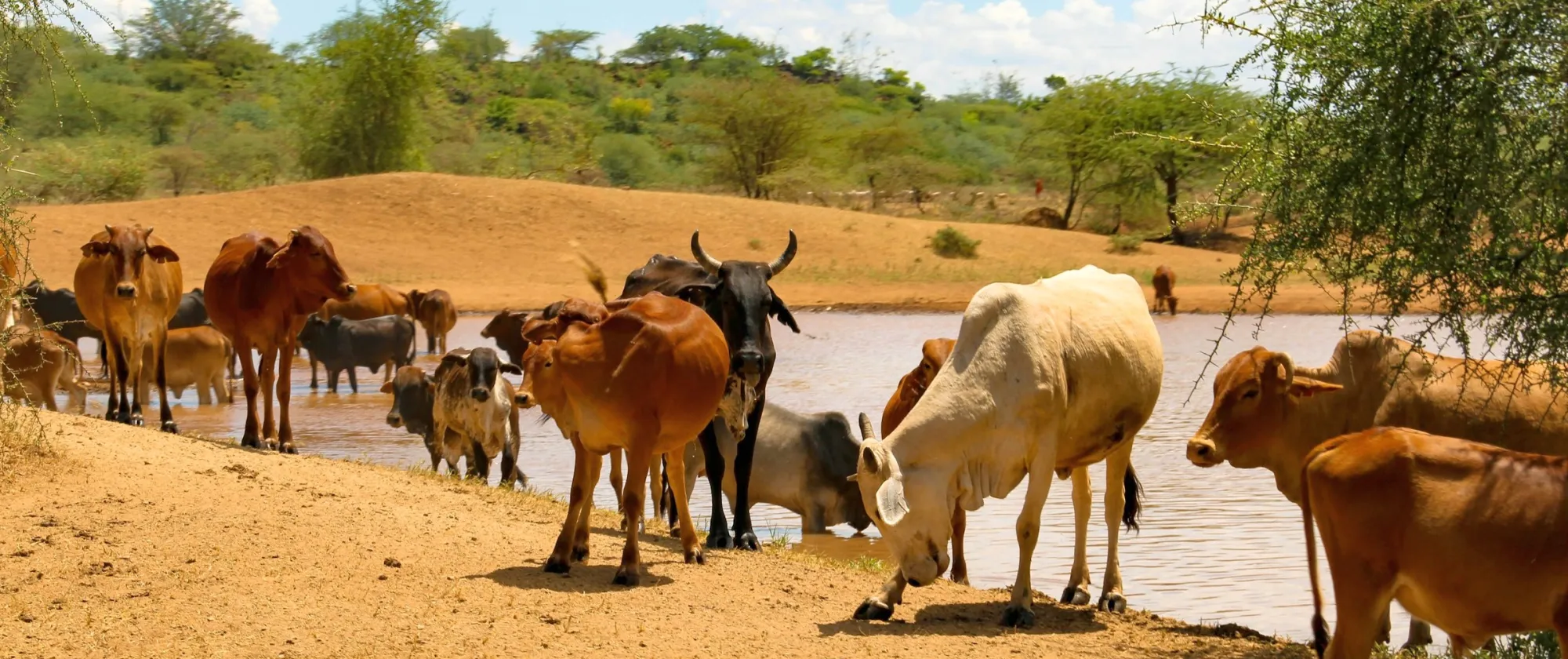
NAROK, Kenya (ILO News) – For pastoralist families in Narok County, climate change is not an abstract global debate. It is felt in longer walks for water, shrinking pasture, changing wildlife patterns and growing pressure on livelihoods linked to livestock and tourism.
The realities facing communities in Narok reflect many of the concerns raised by African civil society organizations around the 2025 United Nations Climate Change Conference, COP30, held in Belém, Brazil. Their message was clear: climate finance and adaptation must reach the communities most affected by the climate crisis, and those communities must have a meaningful say in the decisions that shape their future.
These priorities are also reflected in the environmental strategy of the International Labour Organization’s Public-Private Development Partnership (PPDP) Phase II project, funded by the Swedish International Development Cooperation Agency (Sida), which examined climate and environmental risks in Kajiado, Nakuru and Narok counties.
“Climate justice is about making sure that people living with the daily effects of climate change are not left out of the solutions,” said Isaac Muema, Project Manager, PPDP Phase II project. “In places like Narok, adaptation must protect livelihoods, strengthen local voice and create decent work opportunities in sectors such as livestock, fodder and tourism.”
Climate pressure on households
In many pastoralist communities, water scarcity shapes the day long before formal work begins.
For women such as Naserian, collecting water can mean leaving home before sunrise to reach a watering point before livestock arrive. Once cattle, goats and sheep use the same source, the water can quickly become unsafe for household use.
This affects more than one person’s routine. It can also shape children’s school mornings, household care responsibilities and the time women have for paid work, training or community participation.
For her husband, Lemein, the changing climate is affecting a way of life built around livestock. Herding has long depended on seasonal patterns of rain and pasture. But as rains become less predictable, families face difficult choices: move animals further in search of grass, compete with others for scarce pasture, or watch livestock lose weight and value.
Drought also reduces the water available for both households and animals, increasing pressure on the same limited resources.
Tourism and natural resources
Climate change is also affecting tourism, one of Narok’s most important economic sectors.
Families such as Lekishon’s depend partly on tourism income. His son, Lemayian, works as a driver taking visitors to see wildlife in and around the Maasai Mara. In good seasons, tourism provides valuable income for households and communities.
But tourism also depends on the same ecosystems, water sources and landscapes that sustain livestock and local livelihoods. When drought affects pasture and wildlife movement, it can also affect what tourists come to see. When tourism facilities use scarce water, communities may feel the pressure more directly.
This makes responsible tourism, fair benefit-sharing and sustainable water management essential to protecting both livelihoods and natural resources.

Local solutions for climate resilience
The PPDP environmental strategy points to practical ways to respond to these connected challenges.
For pastoralists, this includes treating fodder as a resource that can be produced, stored and managed, rather than relying only on natural pasture. Shared fodder storage and stronger links between livestock keepers, fodder producers and private sector actors could help families prepare for dry seasons and reduce losses.
For women and households, inclusive water and infrastructure planning can help ensure that water systems respond to the needs of those who use and manage them every day. This means bringing women and other community members into decisions about water points, maintenance and local governance.
For tourism workers and enterprises, stronger standards on water use, land management and community benefit-sharing can help make tourism more sustainable and more inclusive.
Putting communities at the centre
The challenges facing pastoralists, women collecting water and tourism workers are often treated as separate issues. But in Narok, they are closely linked by the same changing climate.
A drought that reduces pasture can also increase the distance to water, affect wildlife movement, reduce tourism income and intensify pressure on households. Addressing these challenges requires solutions that connect livelihoods, infrastructure, training, natural resource management and local decision-making.
The PPDP approach supports this by helping generate evidence, convene public and private partners, and identify market-based solutions that can continue beyond the life of the project.
At the local level, that means communities should have a say in how water is managed, how land is used, how tourism benefits are shared and how climate adaptation investments are designed.
About the project
- The International Labour Organization’s Public-Private Development Partnership (PPDP) Phase II project, funded by the Swedish International Development Cooperation Agency (Sida), works in Nakuru, Kajiado and Narok counties to promote inclusive, decent employment and productive livelihoods.
- The project brings together public institutions, private sector actors and communities to strengthen market systems in the fodder and tourism sectors, with a focus on creating better opportunities for women and young people.
Related content
Public-private development partnerships for inclusive decent employment and productive livelihoods

Skills development
Skills assessments in Kenya reveal training gaps and opportunities
Relevant projects
Public-private development partnerships for inclusive decent employment and productive livelihoods