

Children should learn not earn
This article highlights the story of Ekaette Ibout, a Nigerian journalist and passionate advocate against child labour. Written by her fellow participant, Carolyne Tomno, during the ACCEL Africa regional media training, it explores Ekaette’s journey to Uganda and her participation in the training aimed at improving ethical reporting on child labour.
25 October 2024
This article was written by a participant of the ACCEL Africa regional media training, "Voices Against Child Labour." It is based on an interview conducted participant-to-participant as part of a training activity where journalists were tasked with interviewing a fellow participant about their experiences and showcasing their storytelling techniques.
By Carolyne Tomno, about Ekatte Ibout, both participants to the ACCEL Africa Voices against Child Labour Media Training
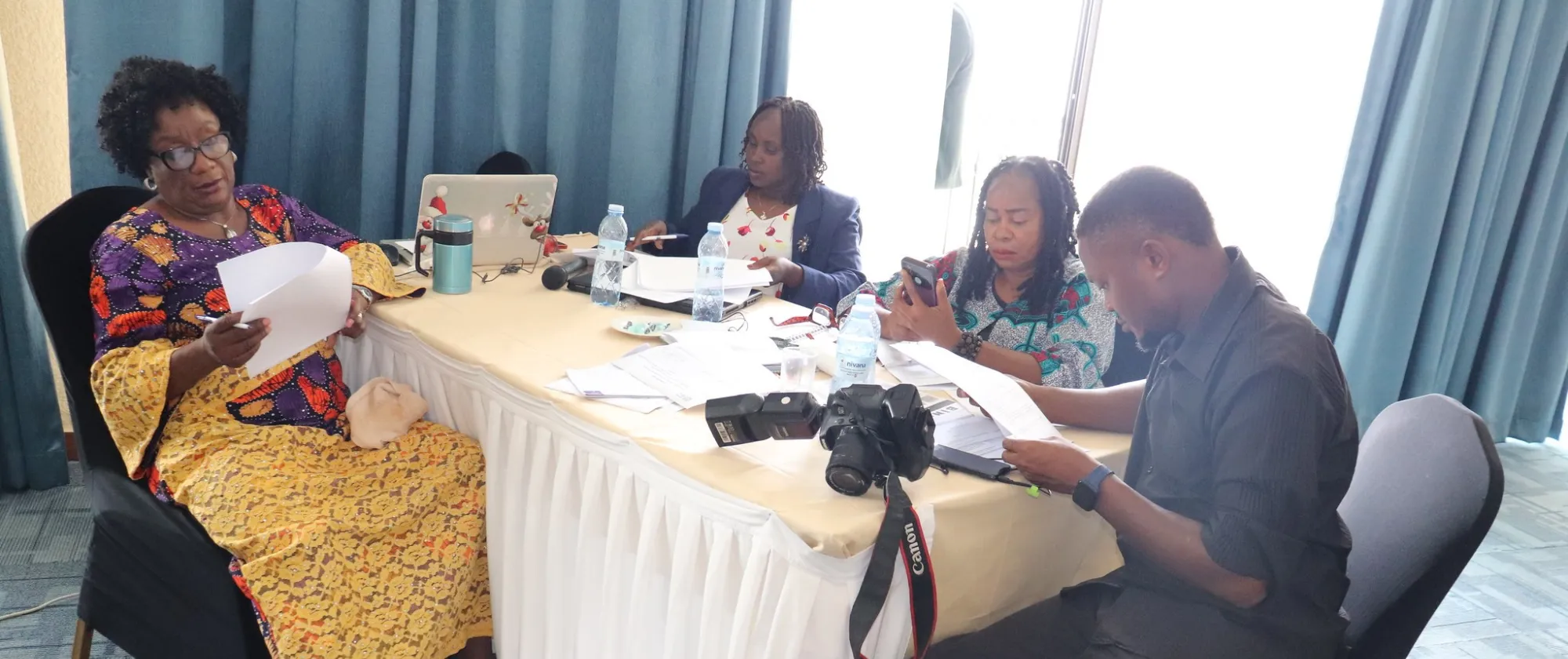
Ekaette Ibout, a passionate Nigerian journalist, embarked on a different kind of journey to Uganda—often known as the Pearl of Africa—not for leisure, but for a significant mission. Since 2015, she has been deeply involved in addressing labour issues, with a special focus on child labour. Her journey to the shores of Lake Victoria in Entebbe, was to attend the International Labour Organization's (ILO) ACCEL Africa regional training for journalists, which focused on ethical reporting of child labour.
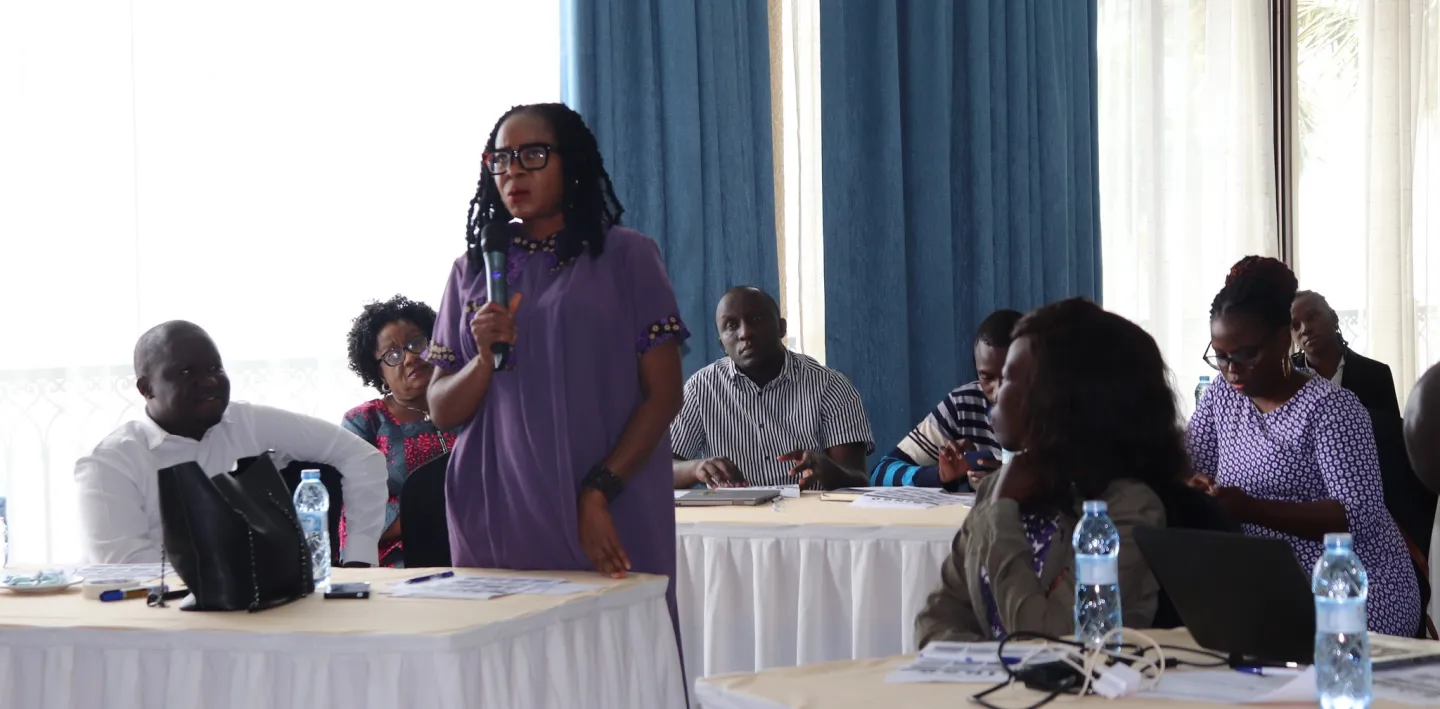
Ekaette, who is also working on her master's thesis about the elimination of child labour, has witnessed first-hand the devastating effects of child labour. She recalls seeing a four-year-old begging on the streets, carrying heavy loads, and tragically losing a hand—situations that break her heart. She emphasizes how child labour strips children of their innocence and robs them of the chance to pursue education and a fulfilling childhood. She firmly believes that children must be allowed to earn knowledge, not money.
The training has been impactful for Ekaette, equipping her with the skills to identify child labour, especially in situations where children are separated from their families and forced to work in harsh conditions. She shared how children as young as ten are working as domestic workers, taking care of large families instead of attending school. “It really saddens me that a young child should be forced to work as a domestic worker serving a family of up to seven people” Ekaette says. She adds that the training has reinforced her understanding that child labour is a challenge across all African countries. In Nigeria alone, statistics show that more than 14 million Nigerian children are involved in harzadous work.
As a dedicated journalist, Ekaette aims to continue using her voice to highlight the plight of children trapped in child labour. “At one of the TV stations where I worked in Nigeria, I was nicknamed -Naija Labour Congress-” She recalls. This reflects her deep attachment to labour issues. She stresses that poor pay for workers often leads to child labour, as families struggle to support themselves.
Beyond the training, Ekaette has also enjoyed her time in Uganda, from visiting the bustling Kitooro market to making new friends and meeting other journalists. She hopes to take the knowledge and networks gained back to Nigeria to advocate for change and become a beacon of hope for children caught in the cycle of child labour.
Relevant projects
Accelerating action for the elimination of child labour in supply chains in Africa (ACCEL Africa)