

Decent work, social justice and economic transformation
Championing decent work, social justice, and economic transformation
The ILO continues to drive progress in decent work, social justice, and economic transformation across the East Africa region. From strengthening social protection and digital skills development to promoting inclusive workplaces and sustainable business growth, our commitment remains firm in creating a fair and just world of work for all.
15 March 2025
Dar Es Salaam, Tanzania (ILO News) - As we reflect on the past quarter, I am pleased to share key highlights of the progress we have made in promoting decent work, social justice, and inclusive economic growth across Tanzania, Burundi, Kenya, Rwanda and Uganda. This period has been marked by impactful engagements, strategic partnerships, and continued advocacy for policies that support workers, employers, and governments in advancing sustainable development.
Promoting Workplace Inclusion and Disability Rights in Tanzania
A major step toward workplace inclusion was the launch of the National Business Disability Network (NBDN) in Tanzania, a collaboration between the ILO, the Association of Tanzania Employers (ATE), and Sightsavers.
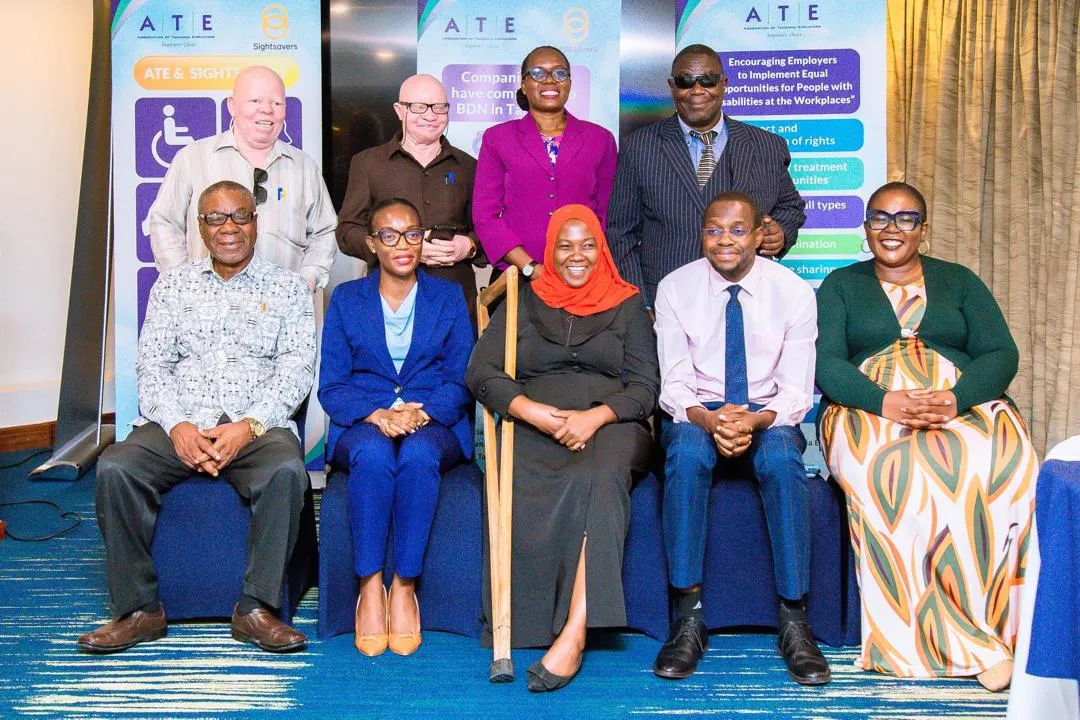
This initiative champions equal employment opportunities for persons with disabilities by fostering inclusive business policies, non-discriminatory hiring practices, and accessible workplaces. The ILO remains committed to supporting employers in adopting diversity and inclusion strategies that create fair and equitable opportunities for all.
Empowering Entrepreneurs through the Kigoma Joint Programme in Tanzania
Under the Kigoma Joint Programme, the ILO, in collaboration with Enabel WEZESHA Binti Project, launched a Training of Trainers (ToT) initiative in Kigoma. This program focuses on building the capacity of local business service providers through the ILO’s Start and Improve Your Business (SIYB) program. By strengthening entrepreneurship skills, financial literacy, and business management, the program is fostering economic empowerment for women, youth, and smallholder farmers. Through this initiative, we aim to create sustainable business development services that will continue benefiting Kigoma’s local economy beyond the project lifespan.
Commitment to Social Dialogue and Labour Rights in Tanzania
Meaningful social dialogue remains at the heart of the ILO’s work. Through engagements with trade unions, employer associations, and government representatives, we continue to address key labour issues, including fair wages, decent working conditions, and gender equality in leadership.
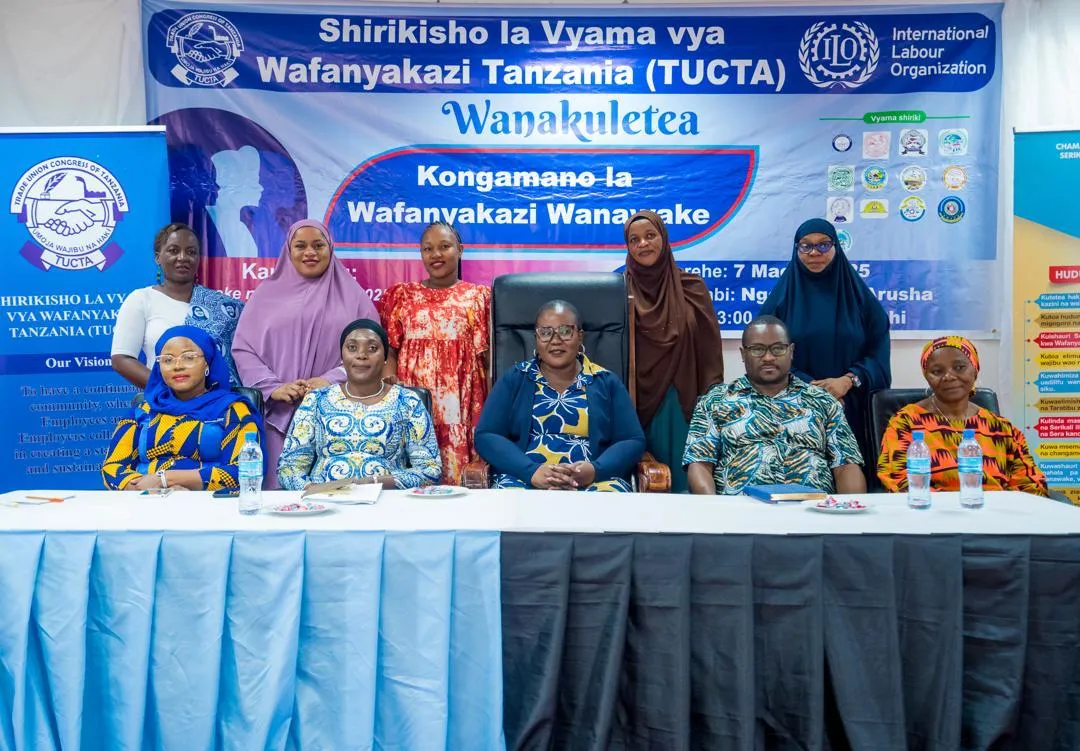
By fostering strong labour relations and inclusive policy development, we are ensuring that economic growth translates into better labour standards, social justice, and sustainable livelihoods for all.
Strengthening Workers' Rights and Social Protection in Tanzania
A significant highlight this quarter was the 10th Anniversary of the Workers’ Compensation Fund (WCF) in Tanzania, a decade-long milestone in ensuring social protection, workplace safety, and fair compensation for workers.
The ILO commends WCF for its commitment to safeguarding workers' rights and improving compensation systems for those affected by occupational injuries and diseases. Over the past ten years, WCF has made tremendous progress in providing financial and medical support to workers and their families, reinforcing the importance of social security systems in fostering economic resilience.
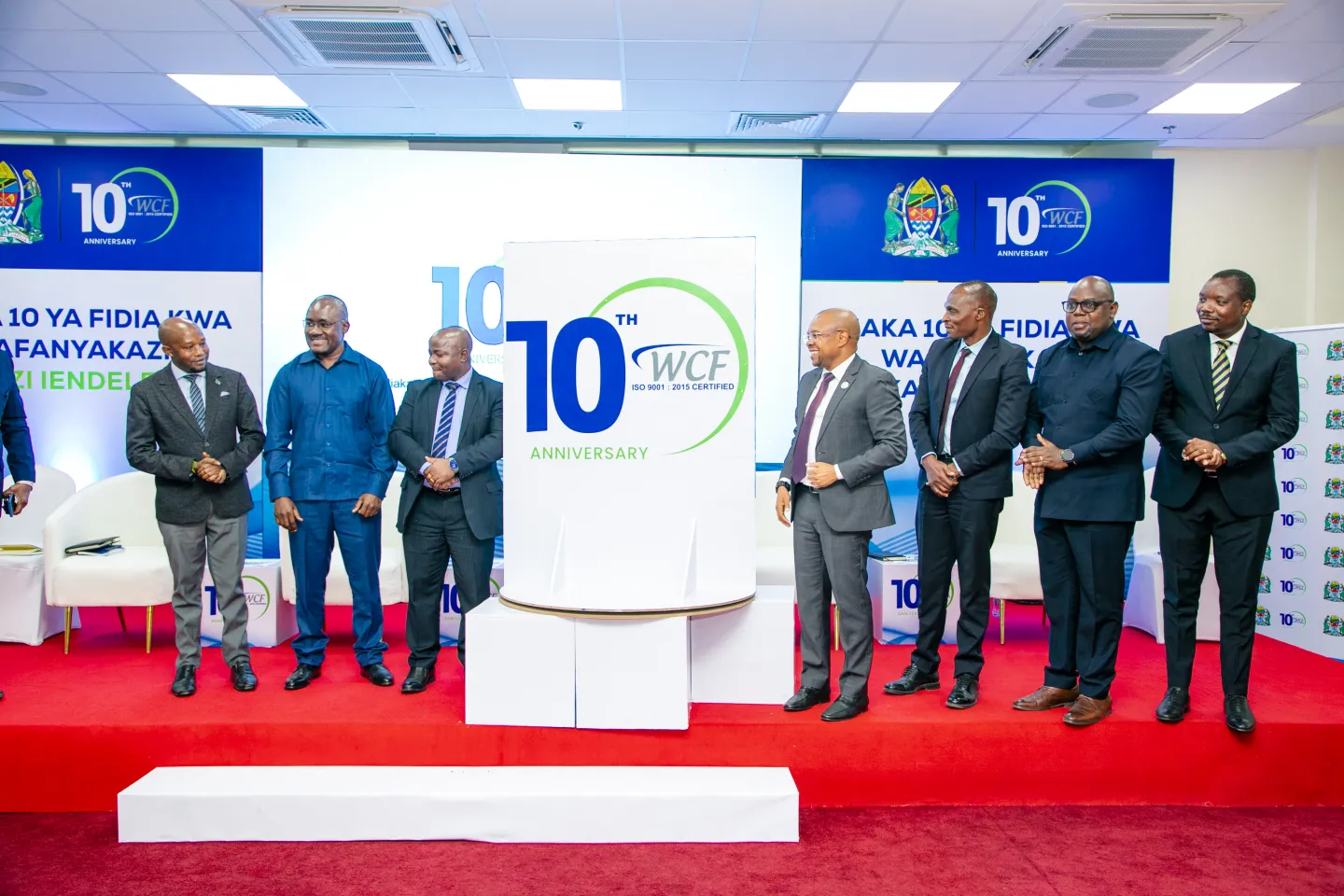
During the anniversary celebrations, key discussions focused on enhancing compensation policies, expanding coverage to more workers, and ensuring prompt support for those in need. The ILO reaffirmed its continued support in working with the Tanzanian government and social partners to further strengthen WCF’s impact and ensure its sustainability in protecting workers.
Additionally, the event highlighted the role of occupational health and safety (OHS) regulations, urging businesses to prioritize preventive measures that reduce workplace risks and ensure a safer environment for all employees. As we move forward, the ILO will continue working with WCF, employers, and trade unions to enhance social protection frameworks and workplace safety initiatives across the country.
Providing crucial support in the post-disaster recovery process in Burundi
The International Labour Organization (ILO) continues to provide dedicated support in designing and implementing recovery strategies that prioritize job creation, income generation, and the revitalization of businesses. In response to the devastating El Niño-induced floods that impacted Burundi from September 2023 to May 2024, displacing thousands of families, submerging agricultural lands, and disrupting local economies, the ILO, participated in the Post-Disaster Needs Assessment (PDNA) exercise in Burundi, along with other UN agencies, EU, World Bank and other partners. ILO together with UNDP has taken a leading role of the employment and livelihoods sector.
This initiative enables the ILO to guide the government in developing policies for sustainable labour market recovery, ensuring the protection of workers' rights and adherence to safety standards throughout the rebuilding process. Moreover, the ILO contributes to strengthening social protection systems, delivering immediate relief and fostering long-term security for workers. By engaging in strategic partnerships with UN agencies, the European Union, the World Bank, governments and social partners including local community, the ILO is playing a pivotal role in advancing a coordinated and inclusive recovery process. These efforts are vital for enhancing resilience and preparedness to mitigate the impact of future disasters.
Shaping Employment policy as a key pillar for advancing inclusive and sustainable development in Burundi
The ILO's support for developing a new employment policy in Burundi that started in January 2025 represents a pivotal initiative towards achieving its global objectives of sustainable and inclusive development growth. Rooted in the Decent Work Agenda, this intervention emphasizes job creation, the protection of workers’ rights, enhanced social protection systems, and robust social dialogue. By addressing the needs of vulnerable groups, including women and informal sector workers, the policy aligns with the ILO's commitment to advancing social justice and economic resilience.
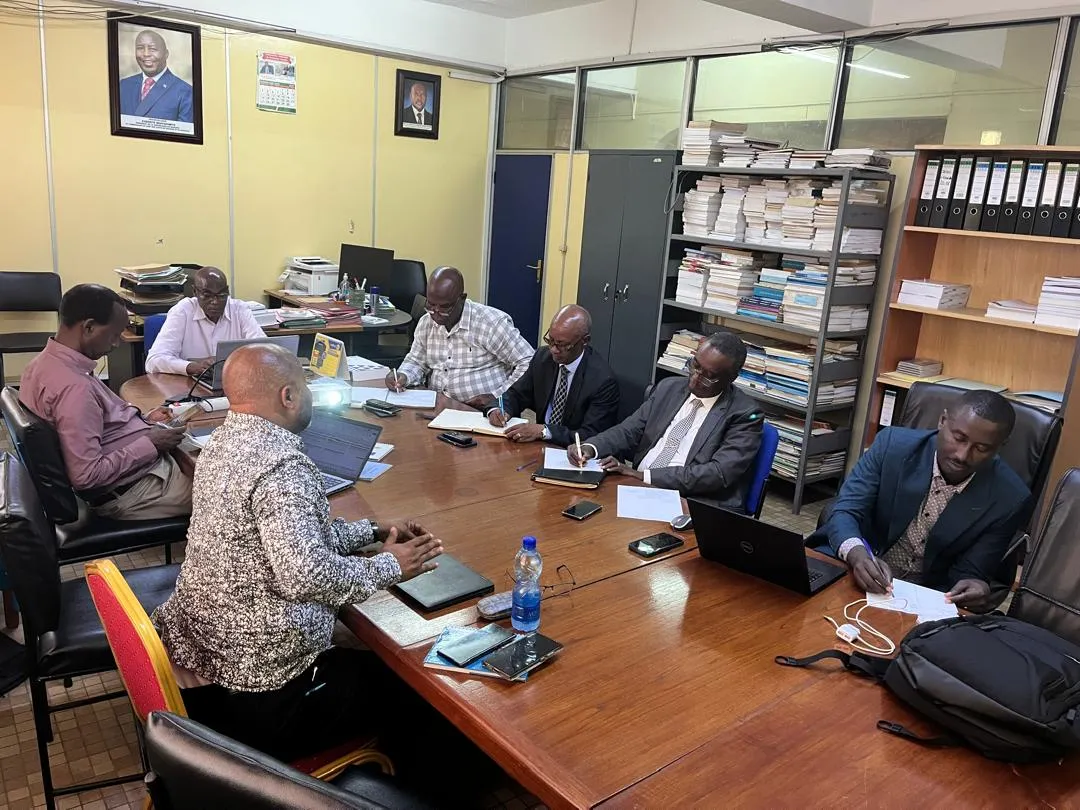
The initiative further strengthens labour market governance and promotes equitable opportunities, ensuring that no one is left behind. This collaboration serves as a cornerstone for fostering inclusive growth while empowering workers and businesses to thrive. The ILO's leadership highlights its critical role in shaping policies that not only address immediate challenges but also build long-term resilience in Burundi's labour market in line with the UNSDC (2023-2028) and the Burundi vision 2040 emerging country and developed country in 2060. Through these efforts, the ILO reinforces its dedication to promoting decent work and sustainable livelihoods.
Recognition of Skills: A Pathway to Economic Inclusion in Kenya
Through the Recognition of Prior Learning (RPL) program in Kenya, developed under the ILO’s PROSPECTS initiative, refugees like Celestin Mbaruku have found new hope. After fleeing conflict in the Democratic Republic of Congo (DRC), Celestin struggled to secure employment despite his tailoring skills due to a lack of certification. With RPL, his experience was formally recognized, enabling him to become a tailoring trainer and rebuild his life. His story highlights the ILO’s commitment to skills recognition, economic empowerment, and social justice for displaced communities.
Addressing the Triple threat in Kenya through UN Joint Action
In a concerted effort to protect and empower adolescents, the ILO joined other UN agencies in a high-level mission to Homa Bay County, Kenya, under the Joint Programme on Ending the Triple Threat of new HIV infections, gender-based violence (GBV), and adolescent pregnancies. Implemented within the United Nations Sustainable Development Cooperation Framework (UNSDCF) 2022–2026, and led by UNAIDS in collaboration with UNFPA, IOM, UNICEF, UNESCO, ILO, and UN Women, the initiative seeks to provide equitable, adolescent-centred health services, strengthen legal and policy frameworks, and promote youth participation in programme design and delivery. The mission highlighted the importance of community engagement, political commitment, and coordinated action in safeguarding the future of Kenya’s young population.
Celebrating Recognition in Renewable Energy Engagement in Kenya
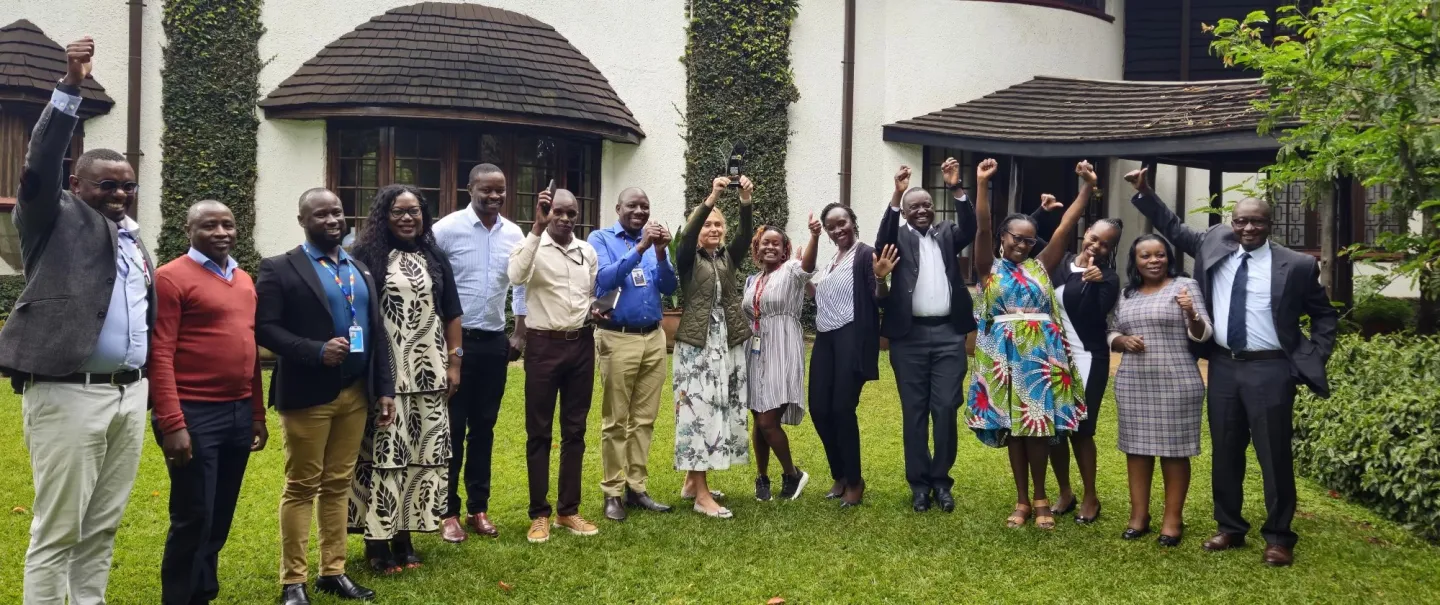
This quarter, I am also pleased to share that the ILO’s Public-Private Development Partnership (PPDP) Phase 1 Project was honoured with the Best Community Engagement Award at the Africa Renewable Energy Forum. This recognition highlights our collective commitment to advancing green jobs and sustainable energy through inclusive skills development and strong public-private collaboration. The award serves as a powerful reminder that when we work together—governments, employers, workers, and communities—we can deliver transformative, climate-resilient solutions that create lasting social and economic impact across Africa.
Driving Digital Skills for Economic Growth in Rwanda
The digital revolution is reshaping the world of work, and the ILO remains committed to ensuring that youth, women, and entrepreneurs in Rwanda are equipped with digital skills for employment and business growth. This quarter, we have advanced efforts to bridge the digital divide through skills development programs aimed at preparing workers, job seekers, and small business owners to navigate the evolving digital economy.
By strengthening digital literacy, innovation, and access to technology, we are fostering an environment where businesses can thrive, new job opportunities emerge, and economic resilience is enhanced. These efforts align with ILO’s broader vision of ensuring that digital transformation leads to inclusive and sustainable economic development.
Advancing Quality Apprenticeships for Youth Employment in Rwanda
Recognizing the urgent need to equip young people with relevant labour market skills, the ILO continues to promote the Quality Apprenticeship Program as a key driver of youth employment.
Through structured training, mentorship, and industry collaboration, this program ensures that apprentices gain practical experience and employability skills that match labour market demands. By working closely with employers, training institutions, and policymakers, we are committed to strengthening apprenticeship systems and increasing decent work opportunities for youth across the region.
Innovative livelihood pathways for youth in Uganda: The Online Gig Work Program
Uganda, Africa’s largest refugee-hosting country, faces high rates of youth unemployment and limited traditional job opportunities. An ILO rapid assessment revealed that online freelancing and gig work present potential livelihood options, particularly due to low entry barriers and flexible work arrangements that can be beneficial for groups like refugees who often face exclusion from labour markets.
Strengthening child labour due diligence of coffee companies in Uganda
In the framework of the ILO’s Child Labour Platform (CLP), the CLEAR Supply Chains project provided capacity building on child labour due diligence to coffee company members of the CLP who source from Uganda.
Responsible business conduct is a key component of any action towards the prevention and elimination of child labour in supply chains. Through the adoption and integration of responsible business practices, enterprises can promote decent work for all and minimize both direct and indirect risks that might arise from their business operations. Recently, there has been shift from voluntary and soft legislation on responsible business conduct towards mandatory legislation, requiring companies to develop and implement measures to conduct due diligence to effectively identify, prevent and address adverse human rights and environmental impacts.
ILO strengthens labour dispute resolution in Uganda
The International Labour Organization (ILO) conducted a five-day training to equip Uganda’s Industrial Court officials with the skills to apply International Labour Standards (ILS) in labour dispute resolution. The training covered key areas such as freedom of association, job security, equal opportunities, and eliminating child labour.
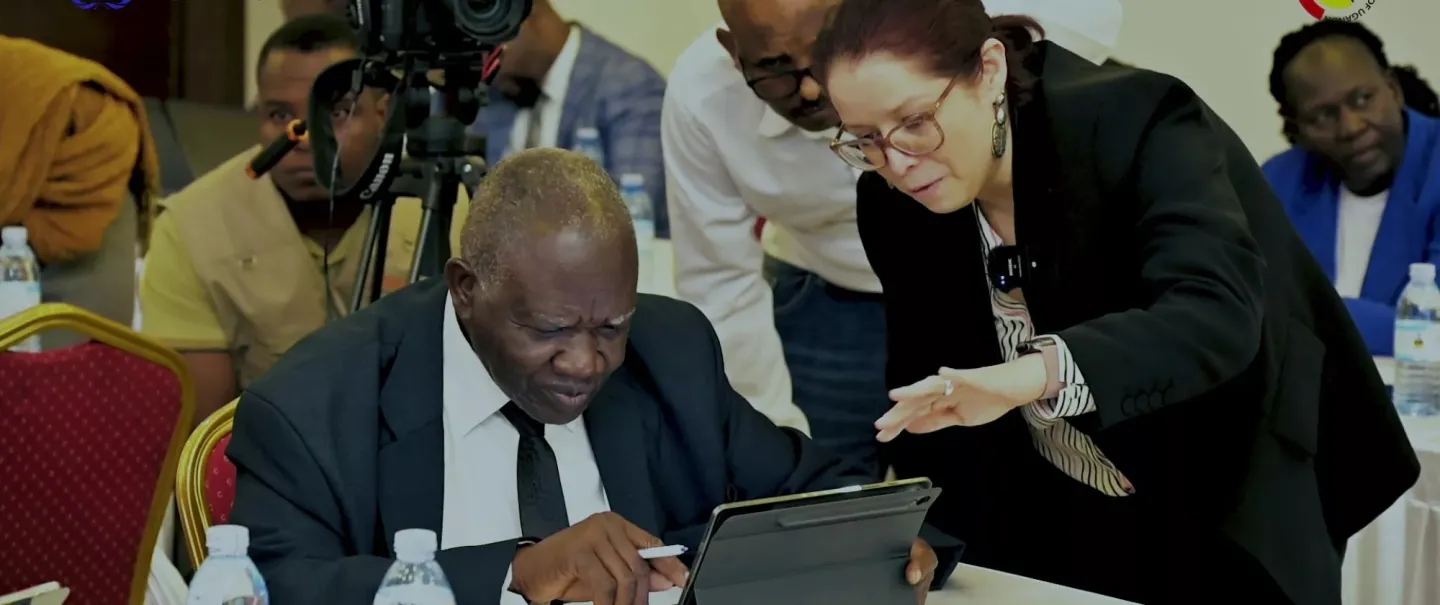
Judges and legal officers receive training on applying international labour standards, enhancing their ability to resolve disputes, including those affecting refugees and displaced workers.
Looking Ahead
The International Labour Organization (ILO) continues to advocate for the ratification and implementation of ILO Convention No. 189 (C.189) on Decent Work for Domestic Workers in Tanzania. This convention recognizes domestic work as formal employment and calls for fair wages, social protection, safe working conditions, and labour rights for millions of domestic workers worldwide.
While domestic workers play a crucial role in supporting households and the economy, they remain one of the most vulnerable groups in the labour market, often facing low wages, informal employment, lack of legal protections, and workplace exploitation. Ratifying C.189 would ensure that domestic workers in Tanzania are granted the same rights and protections as other workers, reinforcing fair treatment, access to social security, and protection from abuse and harassment.
The ILO urges the Tanzanian government, employers, trade unions, and labour rights advocates to join the global movement in recognizing and protecting domestic workers' rights through the ratification and enforcement of C.189. This step will enhance labour laws, strengthen social dialogue, and promote decent work conditions for all workers, including those in informal and domestic employment.
Decent work is a right, not a privilege. It is time to ratify C.189 and ensure dignity, fairness, and protection for all domestic workers in Tanzania.
As we move forward, the ILO remains dedicated to fostering sustainable employment, social protection, and workplace equality. I encourage all stakeholders to actively participate in these efforts, as our collective actions will drive meaningful change in the labour landscape.
Thank you for your continued commitment and collaboration. Together, we can advance decent work and ensure dignity for all workers across the region.