

Capacity building for agricultural workers in Guinea: a step toward increased productivity and employability
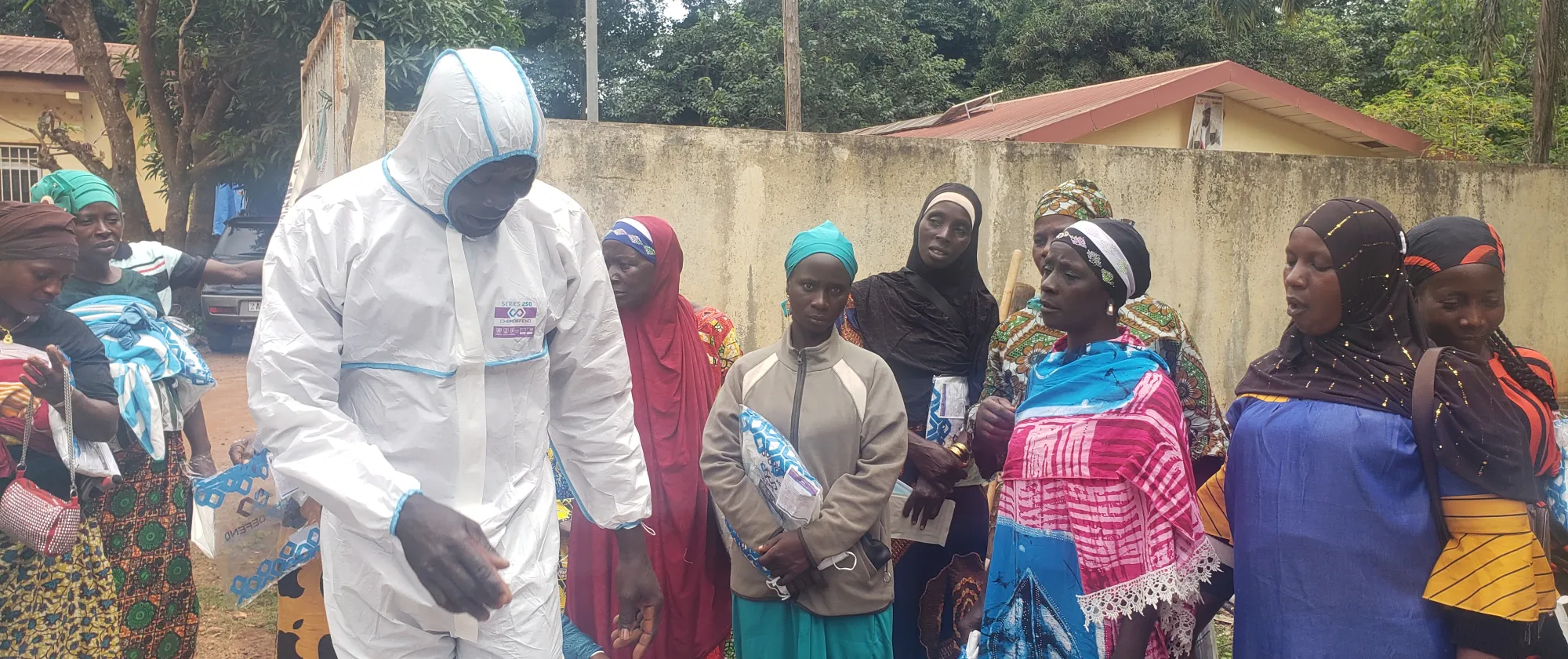
From July 22 to August 1, 2025, two training sessions for agricultural workers, organized by the ILO in partnership with the Ministry of Agriculture and Livestock, marked a turning point in boosting the productivity and employability of agricultural workers in Beyla and Sinko.
13 August 2025
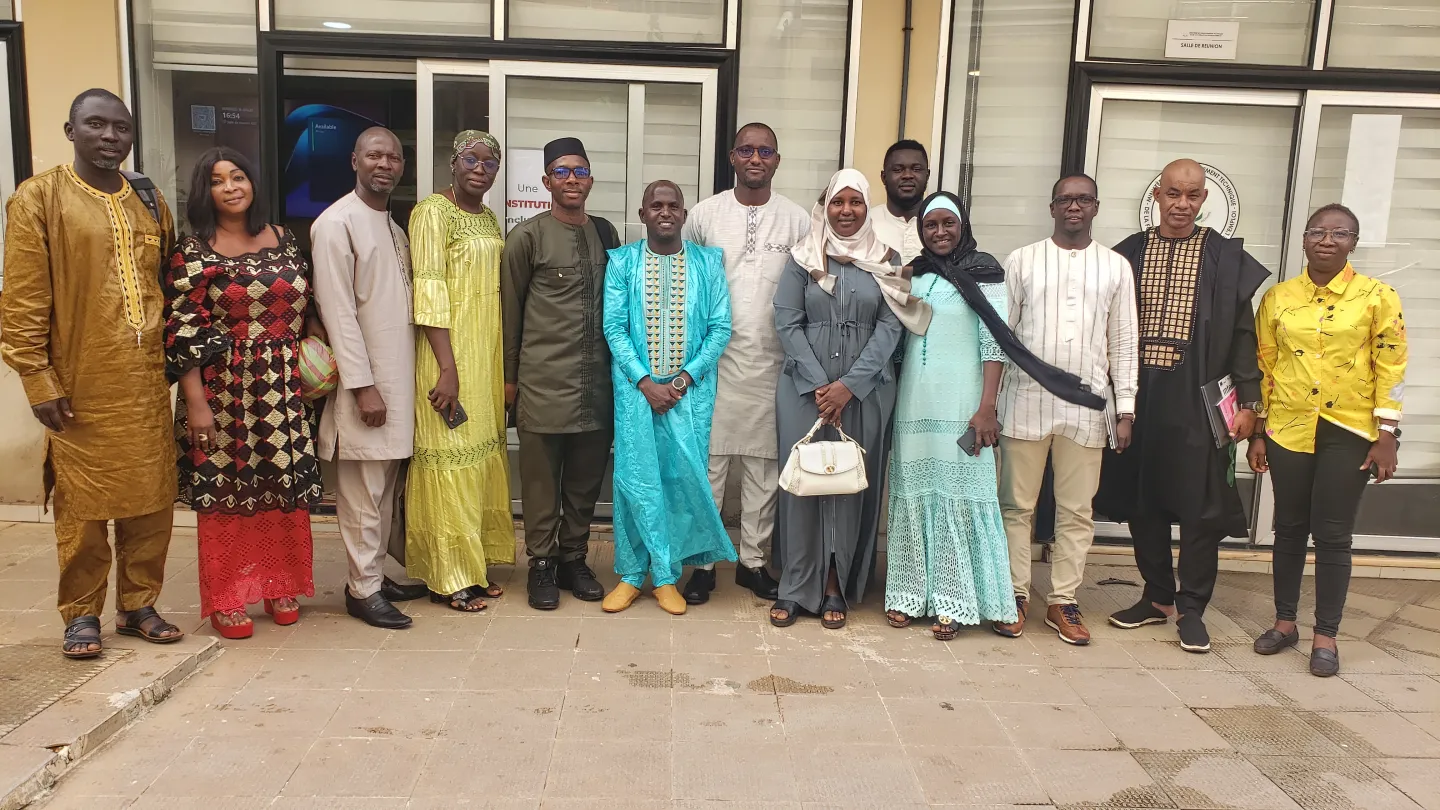
Skills development in agricultural techniques in Beyla and Sinko
As part of its plan to revitalize the agricultural sector and the project to strengthen labor migration governance in the agriculture and domestic work sectors (AGRIDOM), the Ministry of Agriculture and Livestock launched a major capacity-building initiative. Two training sessions were held for agricultural workers in Beyla from July 22 to 26, 2025, and in Sinko from July 28 to August 1, 2025. The initiative was supported by the International Labour Organization (ILO) and funded by the Swiss Agency for Development and Cooperation.
These capacity-building sessions, which included migrant and potential migrant workers, followed a joint mission conducted in August 2024 that identified training needs. The goal was to enhance productivity, improve employability, and reduce poverty in rural areas.

Multisectoral partnerships for sustainable and resilient agriculture
The training workshop brought together 92 participants, including 65 women from women’s groups, decentralized technical services of the Ministry of Agriculture and Livestock, and agricultural trainers and advisors from Beyla and Sinko. Participants gained new knowledge in agricultural techniques, the production and use of biofertilizers and insecticides, as well as training on fundamental labor rights and the institutions to contact in cases of abuse or exploitation.
The sessions emphasized the need to organize producers and provide ongoing support to improve productivity and promote employability. They also highlighted the importance of bilateral agreements for professional mobility, the portability of social rights, and awareness of the socio-economic reintegration of returning migrants. The Agricultural Promotion and Advisory Service (SERPROCA) and the National Directorate for Plant Protection (PEV) were identified as key actors in implementing and monitoring these capacity-building initiatives.
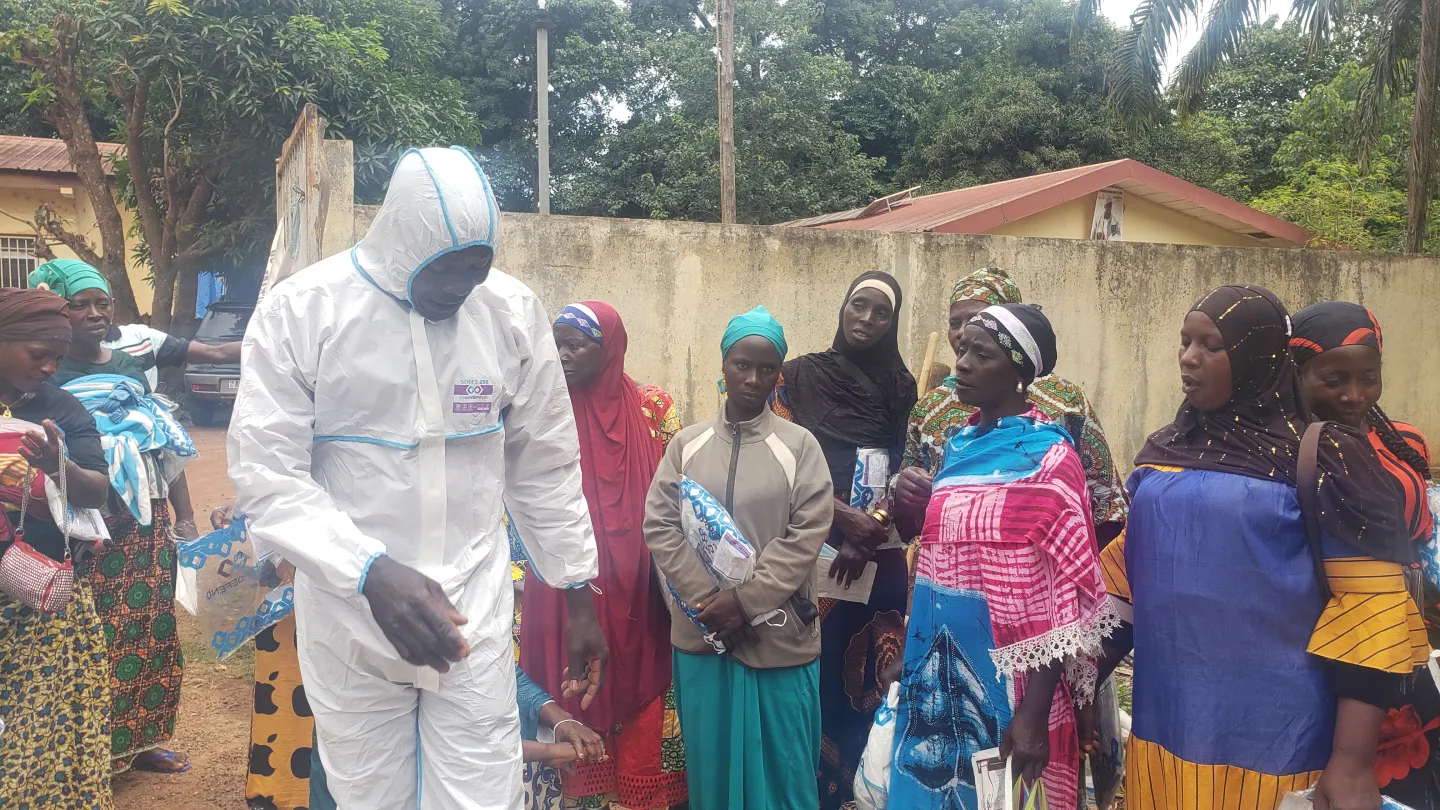
Priorities and challenges for the future
Among the recommendations made during the training sessions was the need to support agricultural producers with equipment for preserving horticultural products, storage facilities, and marketing infrastructure. Integrating these concerns into future cooperation projects and programs will help sustain these actions and expand them to other communities not covered by this pilot phase.

