

Building a better future for migrant workers in Tanzania
ILO, stakeholders from government institutions, and private sector representatives discussed to address critical issues related to labour migration, focusing on the movement of Tanzanian workers to countries of destination, the role of private recruitment agencies, and the overall governance of migration processes.
17 September 2024
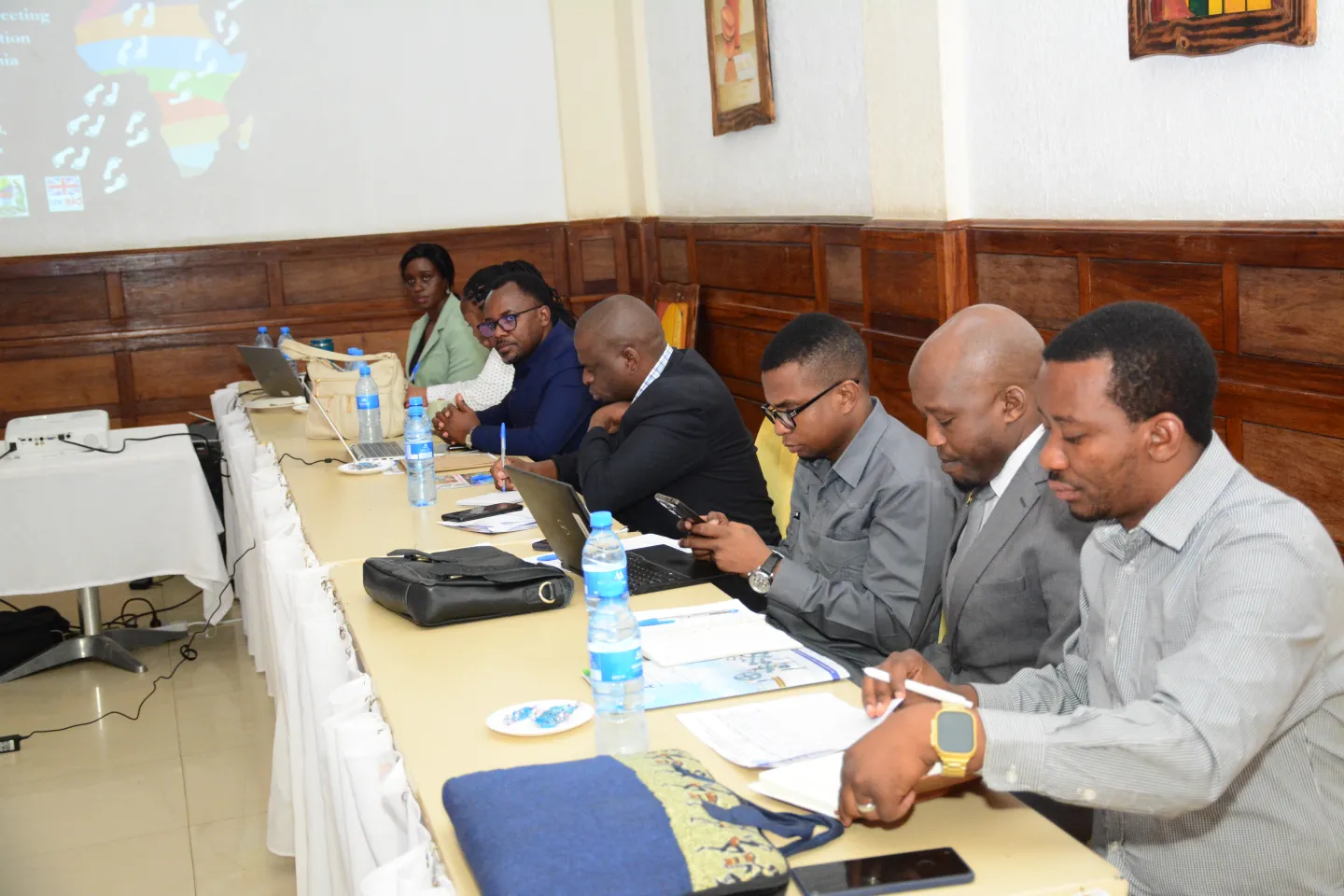
Dar es Salaam, Tanzania (ILO News) - On September 12, 2024, the 3rd Technical Working Group (TWG) meeting under the International Labour Organization (ILO) Better Regional Migration Management (BRMM) Programme was held in Tanzania, gathering key stakeholders from government institutions, and private sector representatives. The primary objective of the meeting was to address critical issues related to labour migration, focusing on the movement of Tanzanian workers to countries of destination, the role of private recruitment agencies, and the overall governance of migration processes.
The meeting's discussions centred on protecting Tanzanian workers migrating for employment, streamlining migration procedures, and aligning legal frameworks with best practices. This meeting underscored the urgent need to strengthen Tanzania’s capacity to manage labour migration effectively amidst global migration trends and evolving labour markets in the East African Community (EAC) and Gulf Cooperation Council (GCC) countries.
Key discussions highlighted during the meeting were the absence of a structured communication strategy, which was identified as a significant gap in disseminating information on labour migration policies and procedures. Stakeholders agreed on the necessity of a comprehensive communication strategy to ensure clear, consistent, and timely information flow to migrants, government agencies, employers and workers organizations as well as private employment agencies. The meeting further emphasized on the importance of advocacy and capacity building of private recruitment agencies, addressing concerns about non-compliance with migration standards that compromise the safety, rights and welfare of Tanzanian workers. It was agreed that a robust advocacy program would be established, alongside capacity-building initiatives to train recruitment agencies on legal processes, fair recruitment practices, and safe migration.
The stakeholders also discussed the need for consistent monitoring and evaluation of migration management efforts. Given the dynamic nature of migration, it was agreed that biannual meetings would be held to review migration trend, assess the effectiveness of strategies, and address challenges promptly.
Another critical topic was the procedure for migration permits, contracts, and passport applications. Although these processes are currently well-structured, ongoing oversight was deemed essential to maintain efficiency and prevent administrative bottlenecks. The meeting also addressed the conditions of Tanzanian workers in Oman, where reports of poor treatment, particularly of domestic workers, raised concerns. Tanzania and Oman are currently under discussion for a bilateral labour agreement, once in place this is expected to assist to formalize labour protections and facilitate ongoing dialogue to monitor and support Tanzanian workers in Oman.
Additional discussions highlighted the challenges of accurate data collection on labour migration, which is crucial for informed decision-making. It was agreed that more resources should be allocated to the National Bureau of Statistics (NBS) to ensure comprehensive and representative data on labour migration. Overall, the 3rd TWG meeting underscored the need for improved governance, protection of migrant workers, and effective collaboration between stakeholders to address migration challenges in Tanzania and beyond.
Relevant projects

East and Horn of Africa
Better Regional Migration Management