

Our impact, their voices
Bridging the gap between training and work in Timor-Leste
Employment counsellors and Technical and Vocational Education and Training (TVET) trainers are gaining the skills to help job seekers navigate the country’s upgraded online job portal.
20 April 2026
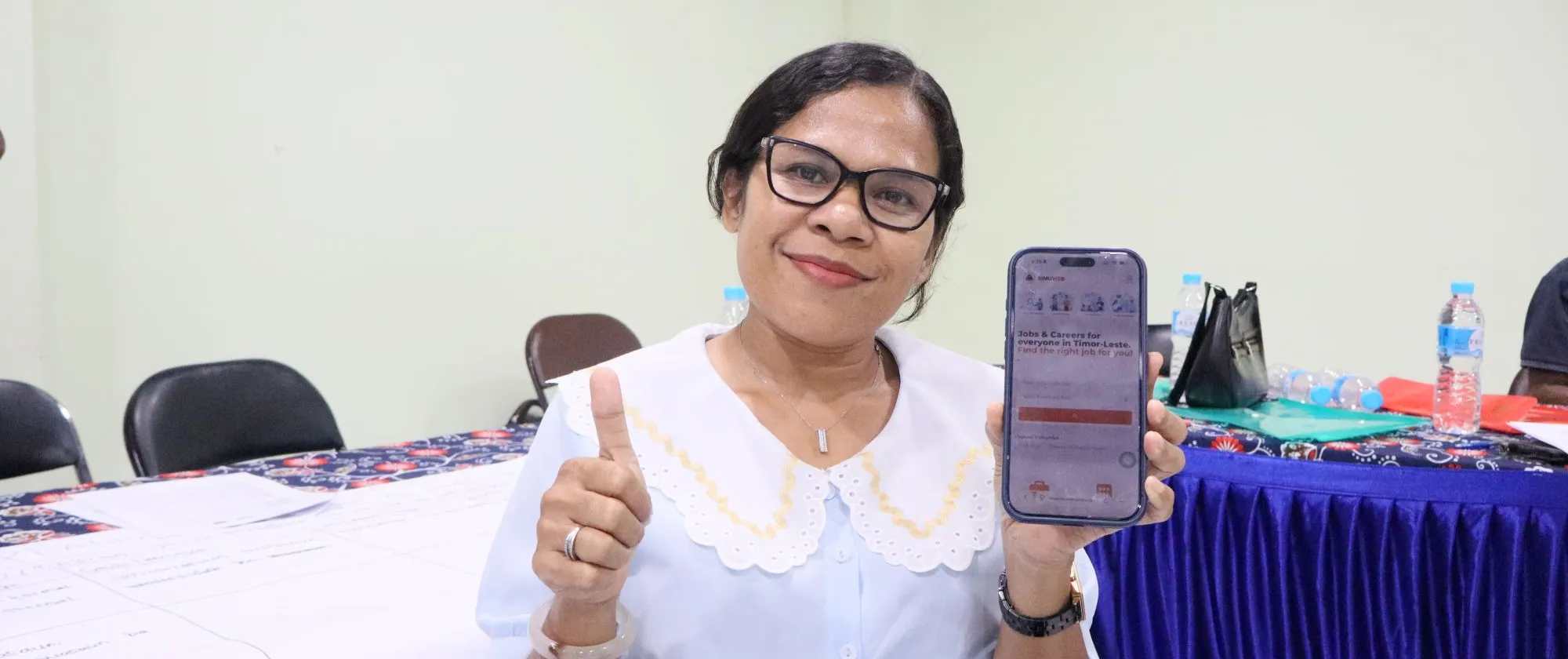
DILI, Timor-Leste (ILO News) - For years, Marina da Costa has stood at the front line of Timor-Leste’s employment system. As a counsellor at the Secretariat of State for Vocational Training and Employment (SEFOPE), she is often the first-person job seekers meet when they take a step toward formal employment.
Every day, Marina helps young people, unemployed workers, and first-time job seekers register through SEFOPE’s SIMU-Web Job Portal, Timor-Leste’s national online job portal. She knew the platform well after years of using it. But when an upgraded version with a more modern and feature-rich interface was introduced earlier this year, even experienced users like Marina found themselves needing to adapt.
As a long-time user of the platform, I needed to understand the new interface because I’m the one who registers job seekers at the SEFOPE office. I’m grateful for the training. Now I can use it confidently and help others do the same.
Marina da Costa
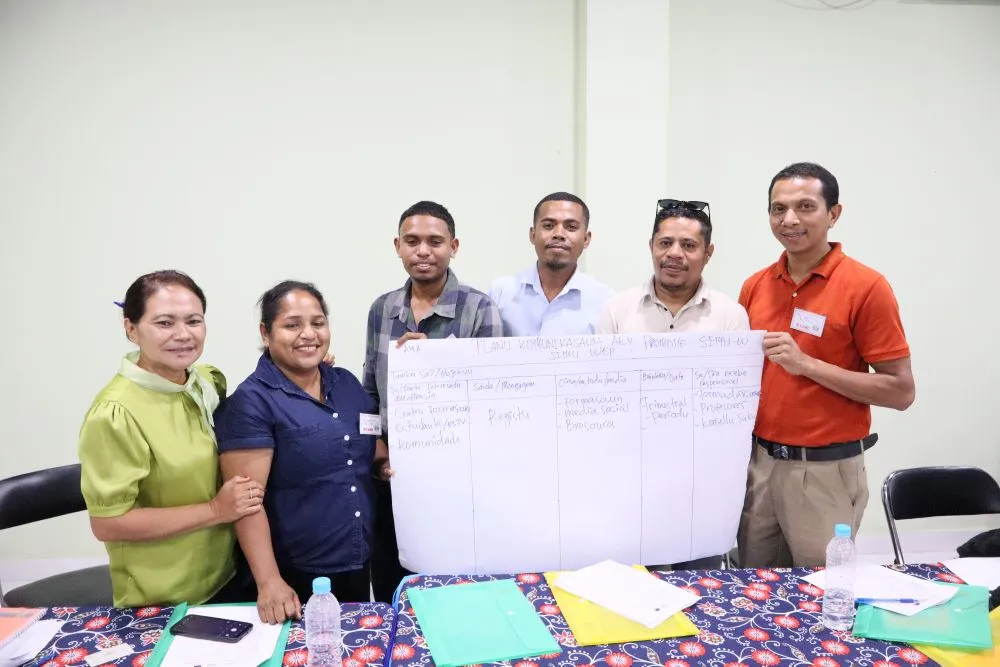
To support that transition, the Agroforestry Skills Programme, funded by the European Union (EU) and implemented by the ILO in collaboration with SEFOPE, organised a two-day SIMU Web training on 13 and 14 April 2026 for 47 TVET trainers and SEFOPE officers from across Timor-Leste.
The practical training covered how to register job seekers and employers, post vacancies, manage user profiles, list training programmes and promote the platform to communities and institutions.
For Marina, the training provided more than technical knowledge. It restored her confidence in guiding others through the system and strengthened her ability to support colleagues and job seekers alike.
SIMU Web plays an important role in Timor-Leste’s employment services by connecting job seekers with employers, providing labour market information and promoting vocational training opportunities for people looking to improve their skills.
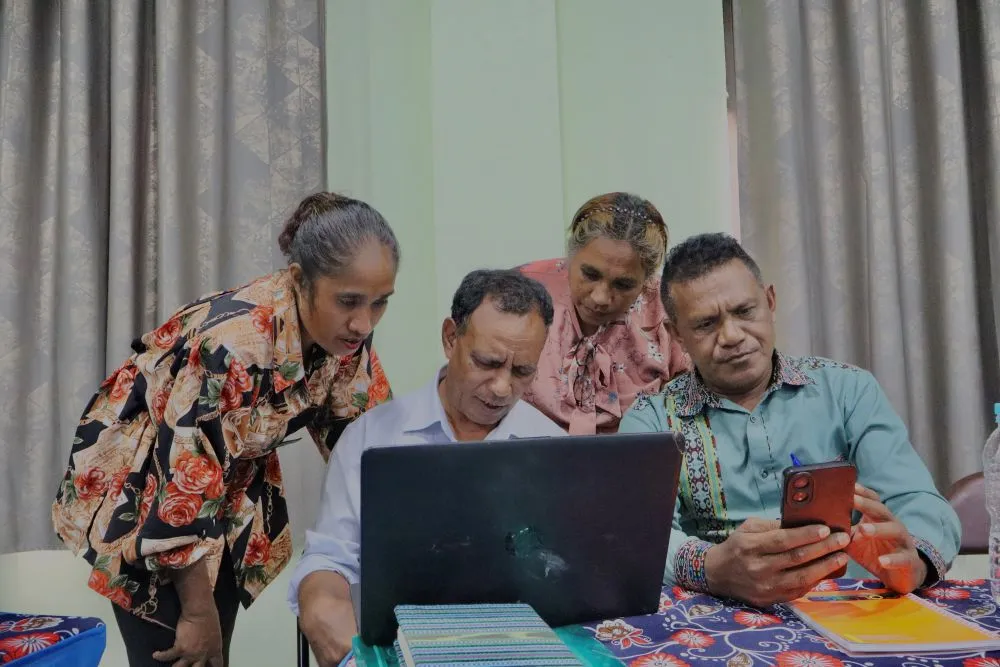
Several hours from Dili, in Manufahi municipality, vocational trainer Casimirio faces a different but closely connected challenge. At the Cablaqui Community Development Centre Manufahi, he works with young people preparing to enter the workforce. Every year, many graduates leave the school with technical skills but little guidance on how to find employment or further training opportunities.
Every year, we graduate many students who need jobs but lack guidance on finding work or further training, and we as trainers do not always know how to guide them. This training helped me understand how to use the job portal practically, so I can better support my trainees through the transition from training to employment.
The training helped Casimirio rethink his role, not only as a teacher preparing students for work, but also as someone who can actively connect them to employment opportunities. He can now help graduates register on the platform before they leave school, giving them greater visibility to employers across the country.
Although Marina and Casimirio work in different settings, their experiences highlight the same reality: digital platforms only create impact when people have the skills and confidence to use them effectively.
Carlito Cabral, Director General of SEFOPE, described the training as a timely step forward for our counsellors and technical schoolteachers, who are at the frontline of preparing young people for work. This platform only makes a difference if it is actively used.
He also highlighted the long-standing partnership behind the initiative, noting that more than 15 years of collaboration with the ILO, alongside continued support from the EU, has contributed significantly to strengthening employment services in Timor-Leste.
Alexandrinha Costa, Director for Employment at SEFOPE and one of the trainers, emphasised that the training’s value extends far beyond understanding the technology itself.
“It is not enough to understand how the platform works. We also need to know how to make it accessible and useful for job seekers. Our role is to ensure it does not stay at the office level but reaches communities.”
As Timor-Leste continues modernising its employment services, the training is helping ensure that counsellors and trainers are not left behind. Instead, they are becoming key guides in helping more people navigate the path from skills development to decent work.
Related content
EU Programme
Agroforestry skills for employment and resilience in Timor-Leste
Relevant projects
EU Programme
Agroforestry skills for employment and resilience in Timor-Leste