

Biodigesters for sustainable and child labour-free cotton in Mali
The International Labour Organization and SNV hand over 30 biodigesters to cotton producers in Mali to strengthen family resilience and combat child labour.
2 August 2025
SIKASSO, MALI (ILO News) – As part of the implementation of the ACCEL Africa project, the International Labour Organization (ILO) in Mali, in partnership with SNV (Stichting Nederlandse Vrijwilligers), officially handed over 30 biodigesters to cotton producers in the regions of Sikasso, Bougouni, and Koutiala. This initiative aims to strengthen the socio-economic resilience of households, improve agricultural productivity, and reduce families’ reliance on child labour.
An inclusive and participatory process
The initiative began with a sensitization workshop for producers, jointly organized by the ILO and SNV. The workshop highlighted the benefits of biodigesters, both for sustainable agricultural production and for reducing child labour.
Subsequently, the Regional Federation of Cotton Producers of Sikasso identified and selected the 30 beneficiaries based on predefined criteria ensuring transparency and fairness in the process.
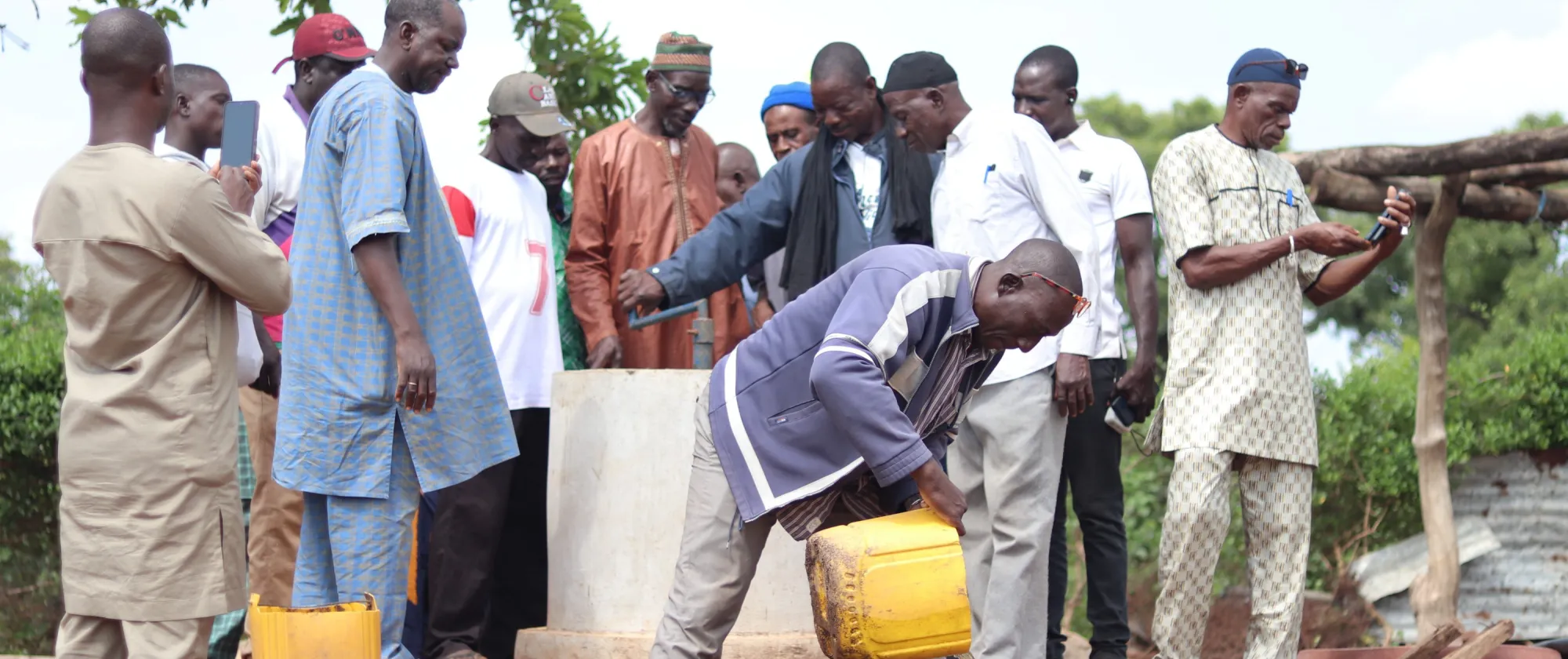
The programme was officially launched during a solemn ceremony presided over by the Prefect of Sikasso, marking the effective start of construction and installation works for the biodigesters.
The Prefect of Sikasso declared that thanks to the financial support of the International Labour Organization through its ACCEL Africa project, and the technical assistance of SNV, this project supports the government’s efforts to combat child labour, as outlined in the National Action Plan for the Elimination of Child Labour (PANETEM) 2023–2027. He emphasized that the installation of these 30 biodigesters represents not only a technological advancement but also embodies three major hopes:
- A social hope, by easing domestic workloads often borne by children, enabling them to return to school—the place where they truly belong.
- An economic hope, by providing a local and sustainable energy source that reduces dependence on wood and costly fuels, while producing valuable organic fertilizer for crops.
- An environmental hope, by reducing greenhouse gas emissions, fighting deforestation, and promoting agriculture that is more respectful of ecosystems.
Capacity building and official handover
Before the delivery of the equipment, the 30 beneficiaries received technical training on the use and maintenance of biodigesters, as well as on compost production and application. This step proved essential to ensure ownership and the sustainability of the initiative.
The handover ceremony was a highlight, demonstrating the commitment of local actors to promote concrete and sustainable solutions to improve the living conditions of cotton producers and protect children from hazardous work.
“Receiving this biodigester is a great opportunity for my family. From now on, we will have gas for cooking and compost for our cotton fields. This will allow us to better organize our work without involving our children. I am committed to ensuring that they continue their studies.”
— Mr. Seibou Ballo, cotton producer in Finkolo (Sikasso Region)
The importance of biodigesters for cotton producers
The biodigester is a major innovation for family farms.
“Thanks to the biodigester, we will improve our agricultural production while reducing our expenses. I am very grateful to the ILO and its partners for this support. This project shows us that it is possible to effectively fight child labour by improving the living conditions of families.”
— Drissa Sylla, cotton producer and programme beneficiary
Through this initiative, the ILO and its partners are contributing to creating the right conditions for children to attend school and enjoy a protected childhood.