


Better Work Egypt
Beyond the training room: Building factory ownership through people
Sustainable workplace improvement does not end when trainings conclude. Through Better Work Egypt's Factory Ambassador Programme, factory representatives are applying new skills, strengthening workplace dialogue and taking greater ownership of improvement processes within their own factories.
27 August 2026
Ismailia and Port Said, Egypt (ILO News)- When Kareem Osama returned to his factory after completing Better Work Egypt's pilot Factory Ambassador programme in November of 2024, he brought back more than technical knowledge. He brought back a different way of approaching workplace challenges.
As a Health, Safety and Environment Manager, Osama was accustomed to identifying workplace issues. Becoming a Factory Ambassador expanded that role: equipping him to facilitate discussions between workers and management, encourage dialogue and help identify practical solutions collaboratively.

“Our success as Factory Ambassadors lies in expanding our role in social compliance and promoting this culture among workers. By creating effective dialogue, a bridge of understanding between workers and management, we can strengthen relations, avoid misunderstandings and conflicts, and contribute to improving the working environment.” said Osama.
From learning to practice
The Factory Ambassador programme forms part of Better Work Egypt's sustainability approach to strengthening factory ownership of workplace improvement processes. Selected factory representatives receive two rounds of practical training, followed by coaching, workplace application and continued support from Better Work Enterprise Advisors over several months.
Throughout the programme, participants strengthen their knowledge and skills in labour standards, occupational safety and health, workplace cooperation, facilitation and problem-solving. They also learn practical approaches to self-assessment and bipartite dialogue, helping factories build the internal capacity to sustain improvements over time.
For Kareem Osama, that transition from learning to application is already part of his day-to-day work.
“We conduct regular self-assessments to ensure that procedures and standards are applied correctly and consistently. This helps us remain prepared for external audits and meet the requirements of the clients we work with,” he said.
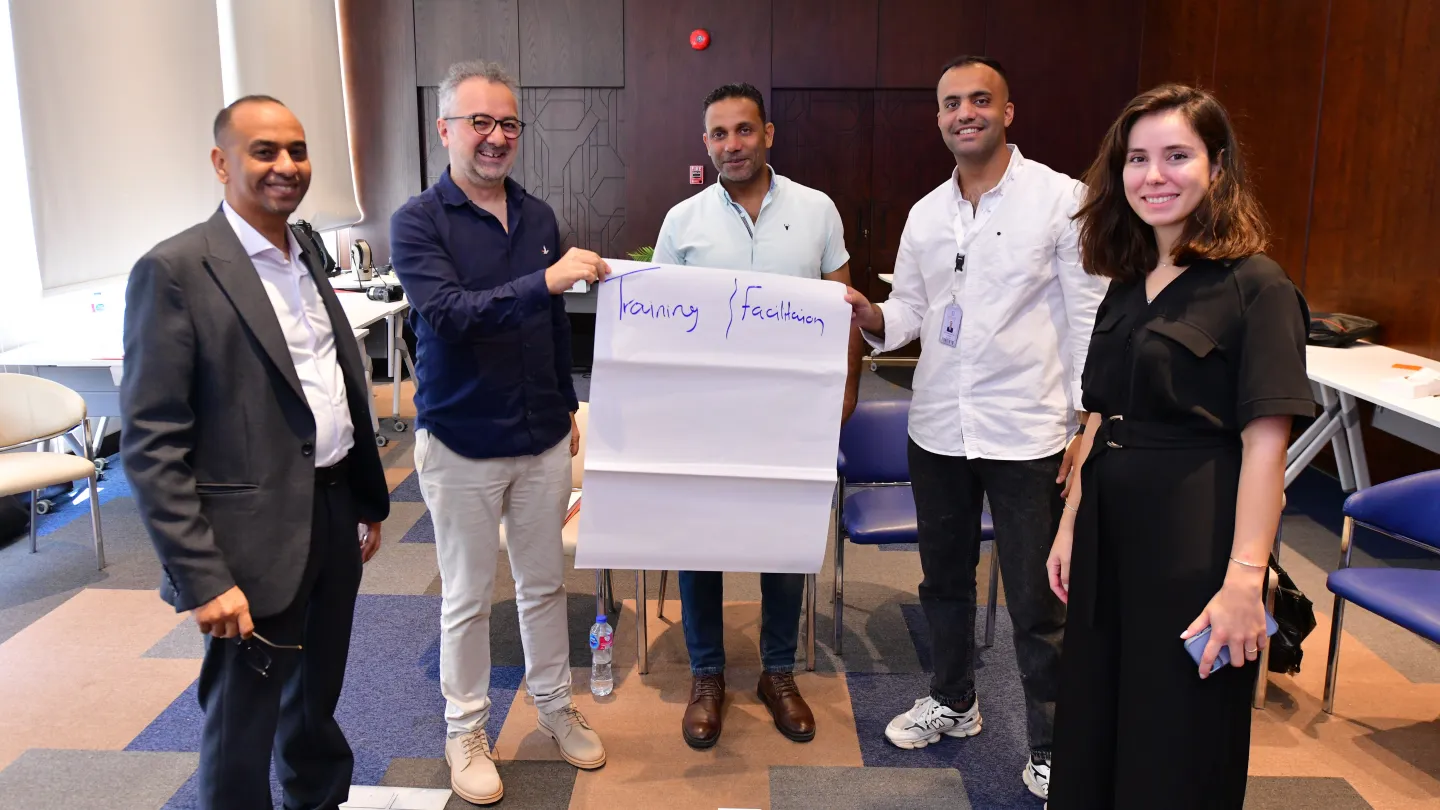
For Ala'a Alsaifi, Better Work Egypt Project Manager, transferring this capacity to factories is central to the programme's longer-term purpose. “The programme helps strengthen compliance in factories by transferring the knowledge, tools and skills used by Better Work advisors to factory representatives, enabling them to carry out this work themselves without external intervention,” said Alsaifi.
Building on progress
A new cohort of Factory Ambassadors has now completed two rounds of training in Ismailia and Port Said. Their next step is to translate that learning into practice inside their own factories, with continued guidance from Better Work Egypt.
For Omar Fahmy a Social Compliance Manager and new Factory Ambassador, the programme provides practical tools to take that next step.
“The Factory Ambassador Programme gives us the tools and knowledge to bring the experience we have gained from Better Work back to our factories, conduct self-assessments and internal audits, further develop our skills, and strengthen dialogue between senior management and workers,” said Fahmy.
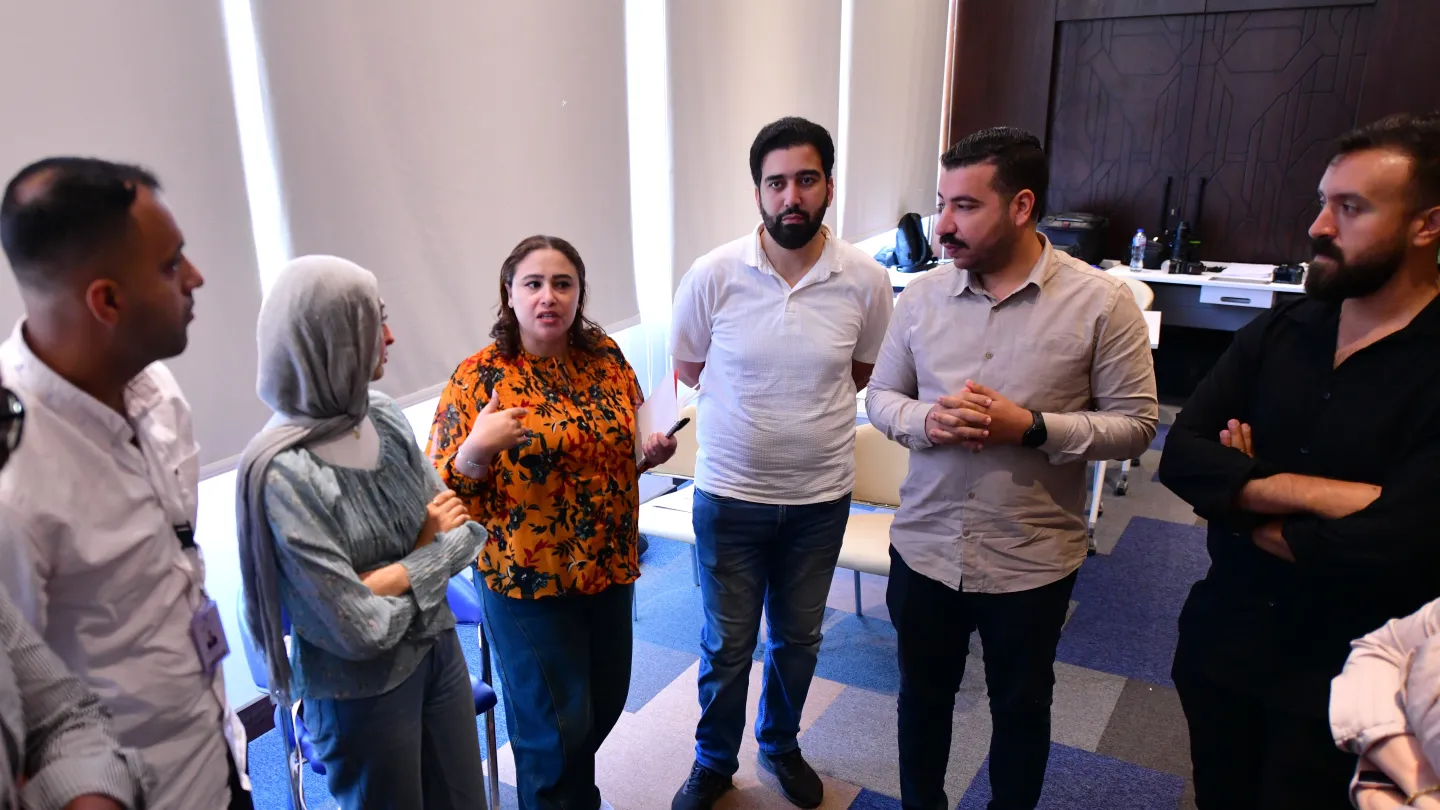
For Hadeel Mohamed, a Compliance Officer and Factory Ambassador, participation is an opportunity to build on improvements her factory has made over several years of working with Better Work. Since joining the programme in 2021, Mohamed says the factory has addressed workplace challenges that once appeared difficult to resolve, while subsequent assessments recorded fewer non-compliance findings than the previous year. Her experience now motivates her to help sustain and expand that progress.
“Because of the improvements we have made over the past few years, we decided to participate in the Factory Ambassador Programme this year so that we can expand this progress, sustain it and build on it,” said Mohamed.
These experiences reflect a central principle of the programme: sustainable improvement becomes stronger when the knowledge and capacity to support it are embedded within factories themselves.
Beyond the training room
For Kareem Osama, becoming a Factory Ambassador was never about completing six days of training. The real work began after returning to the factory.
It continues through self-assessments, everyday conversations with colleagues, workplace committees and opportunities for workers and management to identify actual root causes of the challenges in order to develop practical sustainable solutions together
As the new Factory Ambassadors return to their workplaces, Better Work Egypt will continue providing coaching and guidance while participating factories increasingly apply the knowledge, tools and skills developed through the programme themselves.
As Ala'a Alsaifi emphasized: “Sustainable workplace improvement is not achieved by Better Work alone. It is achieved when factories and workers have the knowledge, confidence and ownership to continue improvements themselves.”

Relevant projects

Phase II
Strengthening Labour Relations and their Institutions in Egypt (Better Work)