


Keeping children in school: How a community in Nepal is working to prevent child labour
Three years after being declared a Child Labour Free Zone, a rural municipality in eastern Nepal is showing how local government, schools, families and communities can work together to keep children out of child labour.
14 September 2026
Kathmandu (ILO News) - In 2023, Pauwadungma Rural Municipality, in Nepal’s eastern Koshi Province, was declared a Child Labour Free Zone following efforts supported by the International Labour Organization (ILO). But a declaration alone cannot ensure that children remain protected from child labour. Families can fall into financial difficulty. Children can drop out of school. Adolescents may start working to support their households. Changes in family circumstances can leave children without adequate care.
For Pauwadungma, the challenge since 2023 has therefore been to turn the declaration into lasting action. The municipality has continued to invest in education, child protection and support for vulnerable families, while bringing together schools, local authorities, employers and children themselves to identify and respond to emerging risks.

Turning political commitment into local action
Local government support has been central to these efforts. Pauwadungma has adopted a child protection and promotion policy and reports allocating NPR 800,000 (approximately US$5,250) annually to support children at risk of child labour and activities aimed at eliminating it.
A further NPR 1.3 million (approximately US$8,540) has been allocated to strengthen child clubs and related programmes.
These local investments help ensure that action continues beyond the initial Child Labour Free Zone declaration. Municipal representatives acknowledge, however, that available resources do not yet cover all the education, livelihood and protection needs of vulnerable children and families.
Helping children stay in school
Education is one of the municipality’s main tools for preventing child labour.
Pauwadungma has a child population of 2,398. To help children who might otherwise struggle to continue their education, the municipality provides support including scholarships, uniforms, stationery and school bags.
Around 100 students received educational assistance during the period covered by the municipality’s follow-up.
Schools and local authorities also work together when a child stops attending school. Teachers, ward offices and municipal officials can help identify the reasons behind a child’s absence, contact families and, where possible, support the child’s return.
At the time of the latest follow-up, nine children had reportedly dropped out of school. Four had subsequently returned through municipal intervention.
Local schools say that children leave school for many reasons, including migration, falling birth rates in the area and moving to live with relatives. Financial difficulties are therefore only one part of the picture.
Understanding each child’s circumstances is essential to finding the right response.
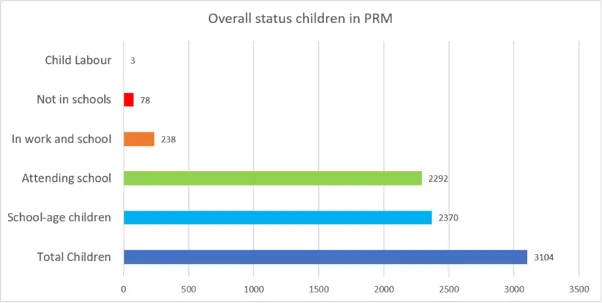
The baseline survey also underscored the importance of sustained municipal support and regular follow-up to prevent school dropout and reduce child labour risks. Although the baseline and field mission cover different reporting periods and draw on different datasets, together they indicate continued commitment to improving school participation and keeping children in school. The baseline findings are illustrated in Figure 1.
| Child population | 2,398 |
| Children reported as having dropped out | 9 |
| Children reportedly re-enrolled | 4 |
| Students receiving educational support | Approximately 100 |
| Functioning child clubs | 6 ward-level and 1 municipal-level |
When returning to school is not enough
The experience of three adolescents identified during a 2022 survey illustrates the complexity of addressing child labour.
The three, aged 16 and 17, were out of school and working alongside their parents in agriculture. Municipal officials spoke with the adolescents and their families about returning to education, but they ultimately continued working with their families.
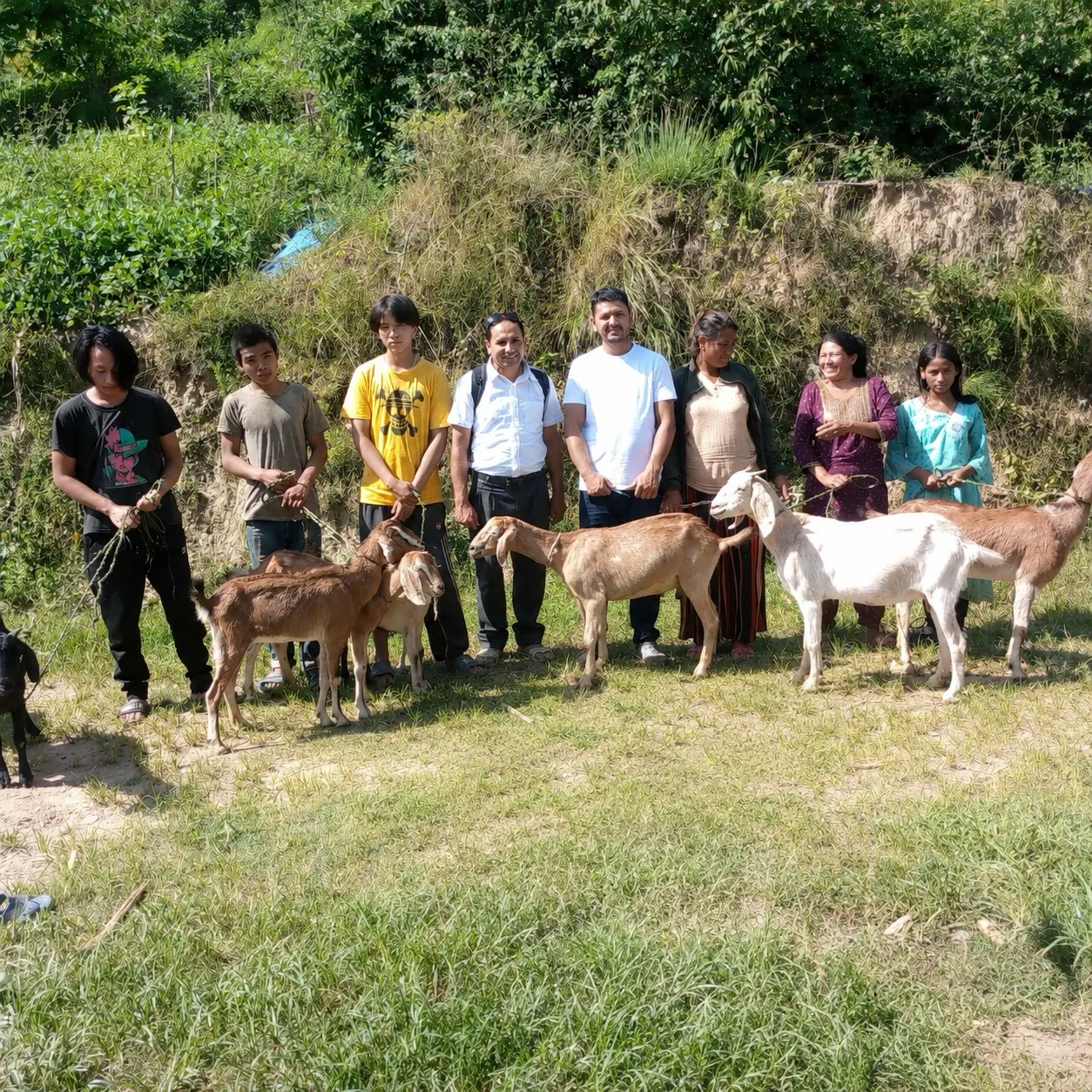
The municipality subsequently provided agricultural equipment, including hand tractors, to their parents to help support household livelihoods.
The experience highlighted the need for solutions adapted to the age and circumstances of adolescents. For older children, this can include appropriate vocational education and pathways towards decent employment, alongside measures to protect them from hazardous or exploitative work.
Children helping to protect children
Children themselves also have a role in Pauwadungma’s approach.
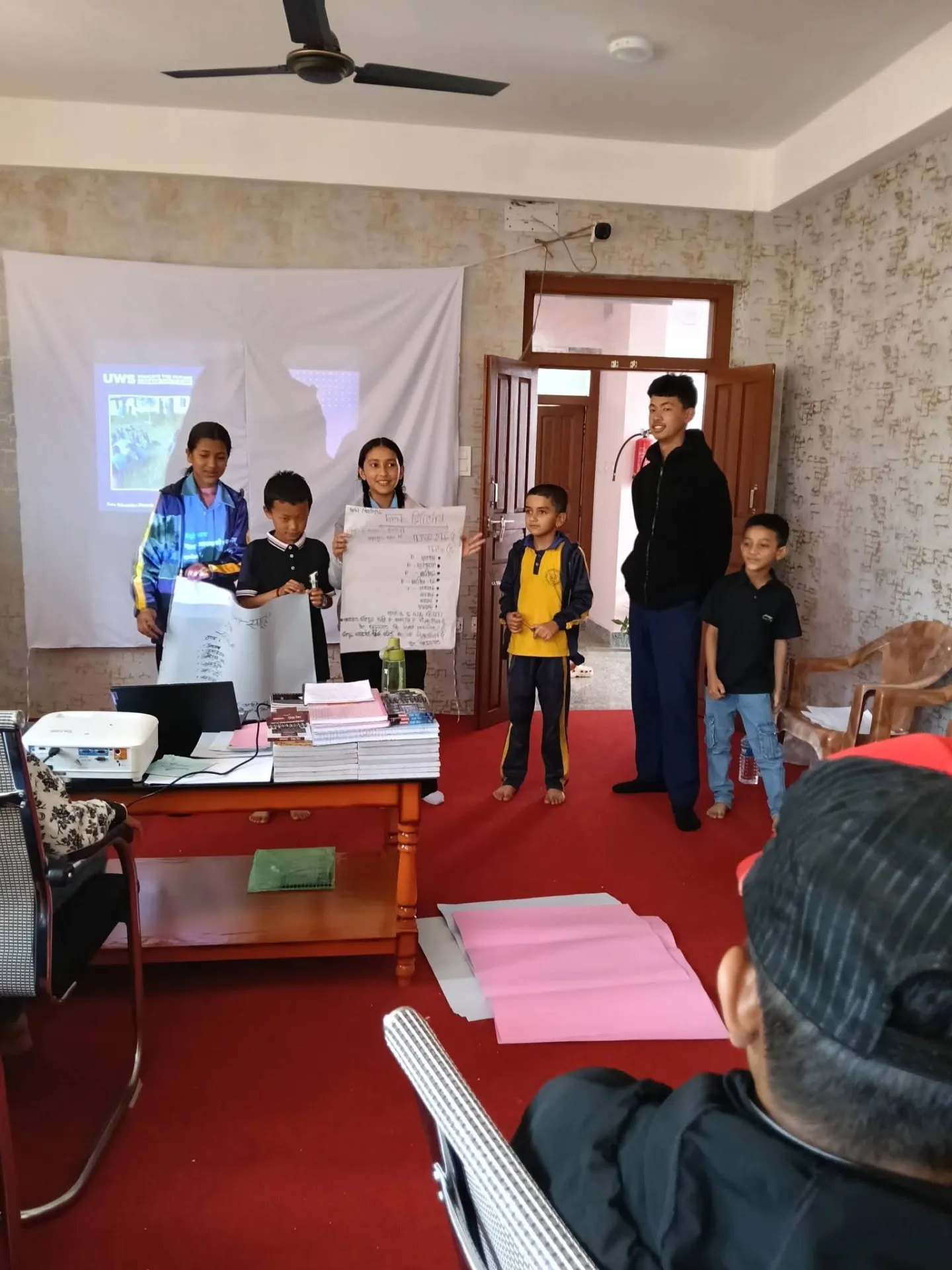
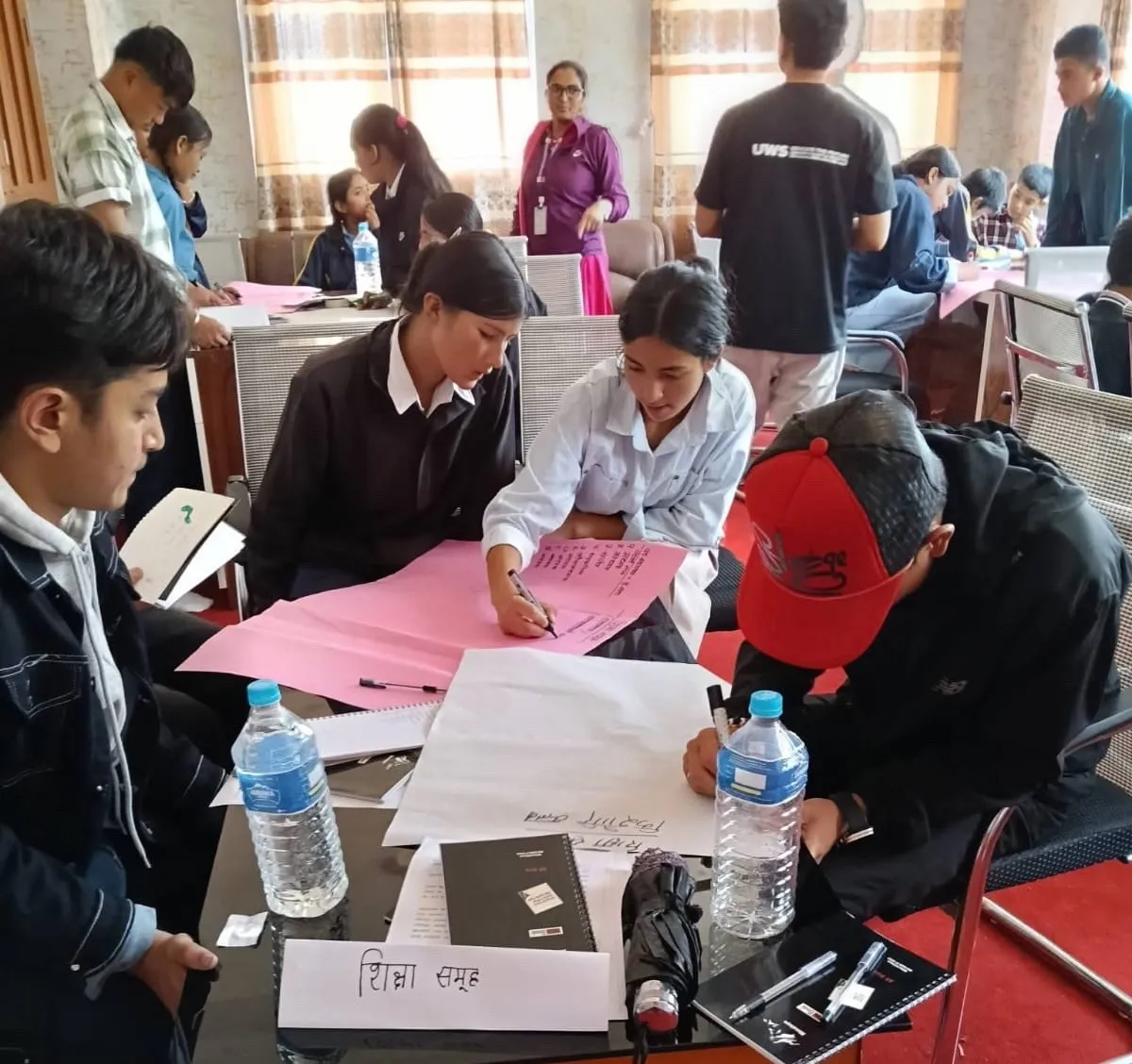
Six ward-level child clubs and one municipality-wide child club are currently active. They organize awareness-raising and extracurricular activities, encourage school participation and promote children’s rights.
A Local Child Rights Committee has also been established, while schools, employers, civil society organizations and ward representatives participate in monitoring and child protection efforts.
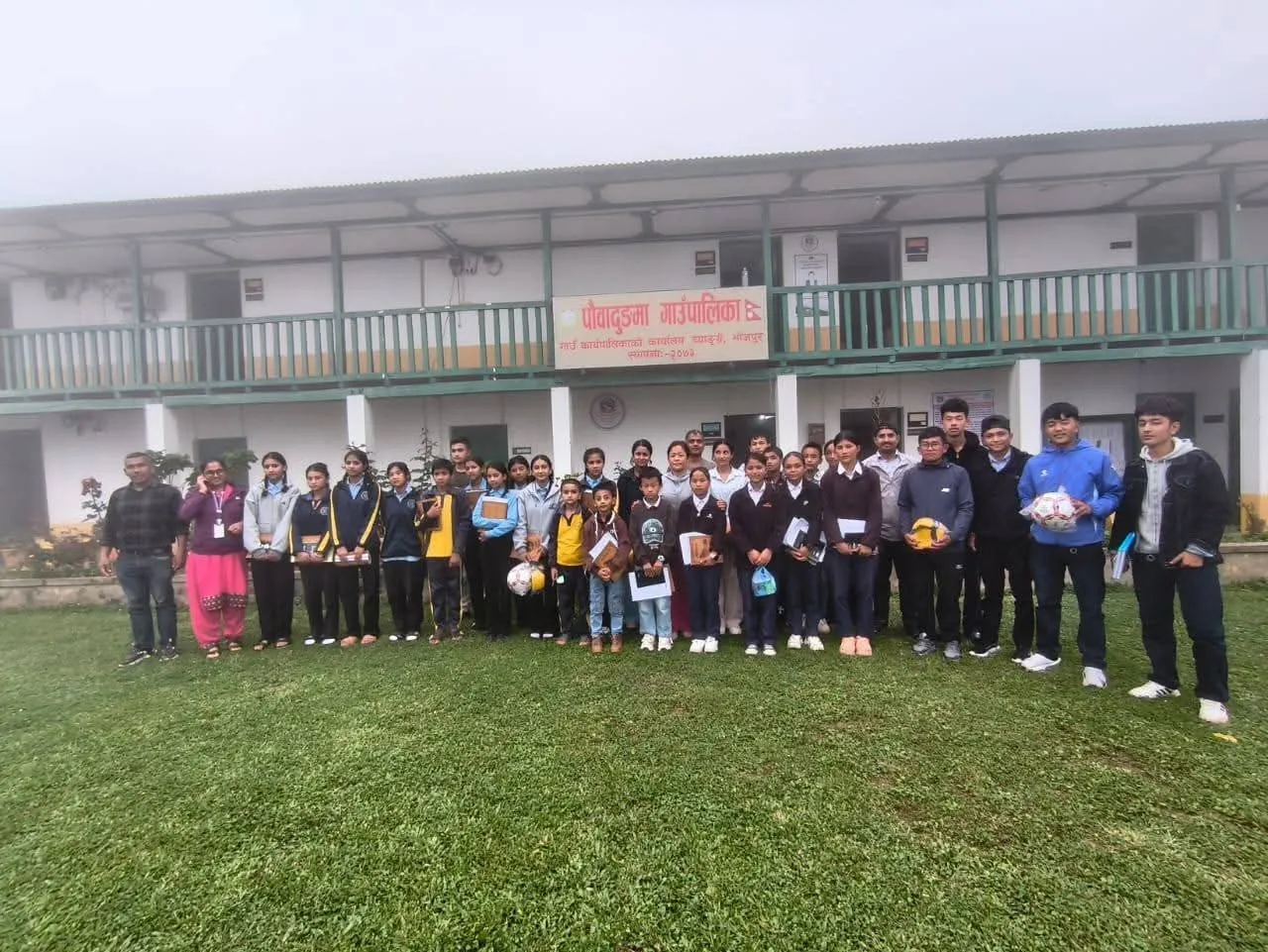
These local networks can help identify children at risk before their situation becomes more serious.
Supporting families as well as children
Pauwadungma’s experience also demonstrates why preventing child labour cannot focus on children alone.
Families facing financial hardship may need income support, healthcare, employment opportunities or other forms of social protection if children are to remain in school.
The municipality provides or facilitates several forms of assistance, including allowances for eligible children under five, educational support, free ambulance services and medical treatment assistance of up to NPR 25,000 (approximately US$164).
It also operates employment and enterprise initiatives, including entrepreneurship subsidies and support for existing businesses.
Local officials have found that such assistance works best when it reflects a family’s particular circumstances and the economic opportunities available to them.
Reaching the most vulnerable children
Some children face several risks at the same time.
Municipal and school representatives identified orphaned children, children living in single-parent households, children affected by parental alcohol misuse, children facing severe economic hardship and those without adequate adult care as requiring particular attention.
A family, for example, may own land or a home but have no adult able to earn an income, farm the land or provide consistent care. A child in such circumstances may need educational support, food assistance, social protection and psychosocial care rather than a single intervention.
When children need specialized accommodation or protection that is not available locally, they can be referred to services in nearby Bhojpur Municipality.
Bringing employers and communities on board
Local businesses have also been encouraged to participate.
Seven businesses were recognized for their contribution when Pauwadungma was declared a Child Labour Free Zone in 2023, and another three have since received recognition.
The municipality has also continued awareness-raising activities within communities.
But experience has shown that simply making services available does not necessarily mean families will use them. For example, 12 technical and vocational education scholarships were offered, but no eligible participants took them up.
The municipality is therefore planning more direct outreach to households, including counselling and practical assistance with applications and referrals.
A declaration is only the beginning
Pauwadungma’s experience shows that declaring an area free of child labour is not the end of the process.
Children’s and families’ circumstances change, and new risks can emerge. Sustaining progress requires continued political commitment, local funding and cooperation between schools, authorities, employers, communities and families.
Above all, it requires identifying children who may be at risk and understanding what is preventing them from staying in school or accessing other appropriate opportunities.
Three years after its declaration, Pauwadungma is continuing that work – demonstrating that progress against child labour depends not only on reaching a milestone, but on building local systems capable of protecting children over the long term.
For more information, please contact:
Shrutina Dhanchha, Monitoring and Evaluation Officer
Nistha Rayamajhi
Communications Officer
ILO Country Office for Nepal