


Beyond compliance, South Africa drives workplace safety agenda
South Africa’s National OHS Conference 2026 brought together key stakeholders to drive a shift from compliance to prevention in workplace safety. The conference highlighted the importance of protecting workers’ rights, strengthening collaboration, and leveraging innovation to reduce occupational injuries and diseases.
24 March 2026
JOHANNESBURG (ILO News) - The International Labour Organization (ILO) supported South Africa’s efforts to strengthen workplace safety and health as stakeholders gathered at the National Occupational Health and Safety (OHS) Conference 2026 in Boksburg, Gauteng. Hosted by the Department of Employment and Labour (DEL) in collaboration with Rand Mutual Assurance, The Federated Employers Mutual Assurance Company (FEM), the conference brought together government, business, labour, and OHS professionals under the theme “Beyond compliance: prevention in practice.”
The conference also gave prominence to the voices of both business and workers, with representatives from BUSA, COSATU, FEDUSA, NACTU and SAFTU delivering strong messages of support on Day 1. Their contributions underscored a shared commitment to strengthening workplace protection and building a culture of prevention across all sectors. These messages reaffirmed that meaningful progress in OHS requires active engagement from employers and workers alike, with social partners emphasising collaboration, accountability, and practical implementation of safety measures.
Delivering the keynote address, Deputy Minister of Employment and Labour, Hon. Jomo Sibiya, underscored a central principle guiding the conference: “Every worker has the right to return home safe and healthy at the end of every working day not injured, not ill.” He emphasised that safe and healthy working conditions were not optional, but a fundamental human right, rooted both in international commitments and South Africa’s Constitution.
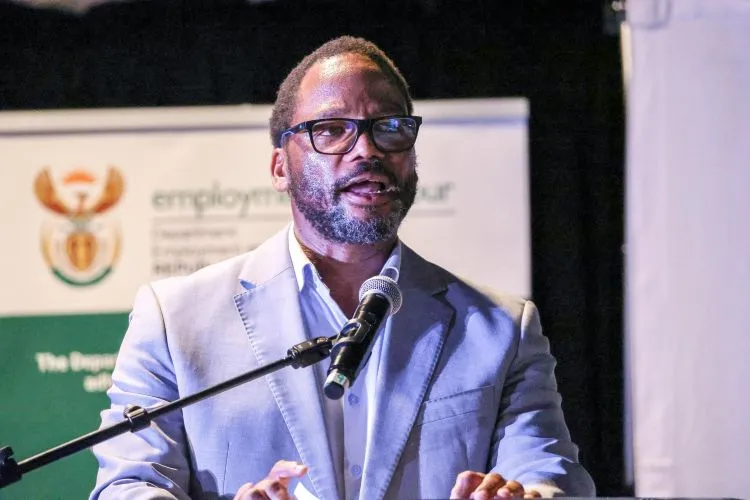
A key message throughout the conference was the need to shift from compliance-driven approaches to a culture of prevention. While regulations provided an essential framework, speakers highlighted that real impact came from proactive risk management, collaboration, and accountability across all levels of the workplace.
Representing the ILO, Technical Officer Simphiwe Mabhele noted that the conference theme aligned closely with the ILO’s global mission, particularly following the recognition of Occupational Safety and Health as a Fundamental Principle and Right at Work. “Safety is not optional, not technical, and not negotiable it is a right that protects human dignity,” he said.
Mabhele also highlighted both the challenges and opportunities in advancing OHS. While human behaviour and attitudes remained critical barriers often reflected in risky shortcuts and complacency emerging technologies such as artificial intelligence, wearables, and predictive analytics were reshaping prevention strategies. However, he cautioned that technology alone was not enough without a strong safety culture.
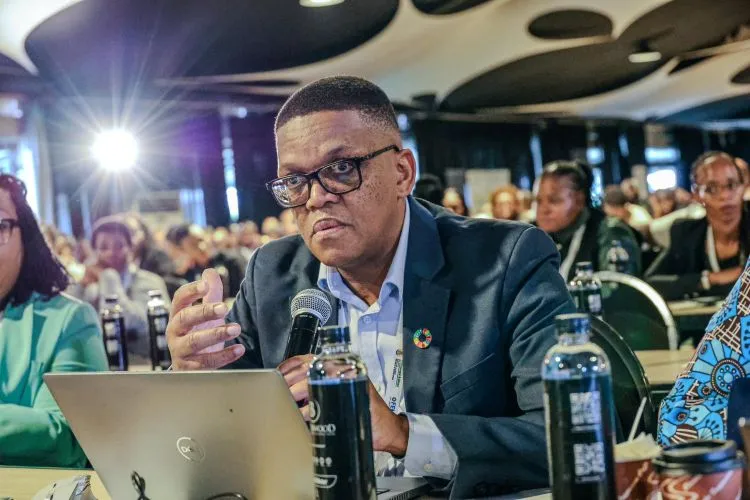
The conference also placed a spotlight on vulnerable groups, particularly young workers. DEL Senior Specialist Bulelwa Huna warned that young workers faced increased risks due to inexperience, limited hazard awareness, and inadequate training or supervision. She called for practical implementation of safety measures beyond compliance, emphasising the importance of training, supportive supervision, and inclusive workplace cultures.
Industry-specific challenges were also addressed. Phumudzo Maphaha, a Senior OHS Specialist focusing on construction and major hazard installations, highlighted the critical role of competence in preventing incidents. He pointed to gaps in skills, training, and professional registration as key contributors to accidents in the construction sector, stressing the need for qualified professionals from project initiation through to completion.
Data presented by Rand Mutual Assurance and the Compensation Fund reinforced the urgency of the issue. In the metals sector alone, over 18,800 injury claims and 232 disease claims were recorded in the 2025 financial year, alongside 41 fatalities. Common injuries included eye injuries, finger wounds, and hand-related incidents, while occupational diseases ranged from noise-induced hearing loss to respiratory conditions. Nationally, the Compensation Fund reported over 127,000 occupational injury claims and 928 disease claims.
These figures highlighted the human and economic cost of unsafe workplaces, and the importance of coordinated action.
Throughout the conference, a strong emphasis was placed on partnership. Speakers reiterated that meaningful progress depended on collaboration between employers, workers, regulators, and institutions. Workers, in particular, were recognised as key partners in identifying risks and shaping practical solutions through participation in safety committees and reporting systems.
Concluding the third and final day, Deputy Minister Sibiya called for decisive action against non-compliance, stressing that persistent violations must carry consequences as they undermine worker dignity, fair competition, and economic stability. He urged a decisive shift from compliance to prevention, noting that “compliance is the starting point, but prevention is the destination.”
He emphasised that prevention requires anticipating risks, designing safer systems of work, and embedding safety into leadership and decision-making. The conference also reinforced that occupational health, and safety is a shared responsibility, requiring strong partnerships between government, employers, and workers, supported by effective enforcement and collaboration.
For many OHS Inspectors, the conference provided a unique professional development experience, with some attending an event of this scale for the first time, while others returned for their second or third engagement.
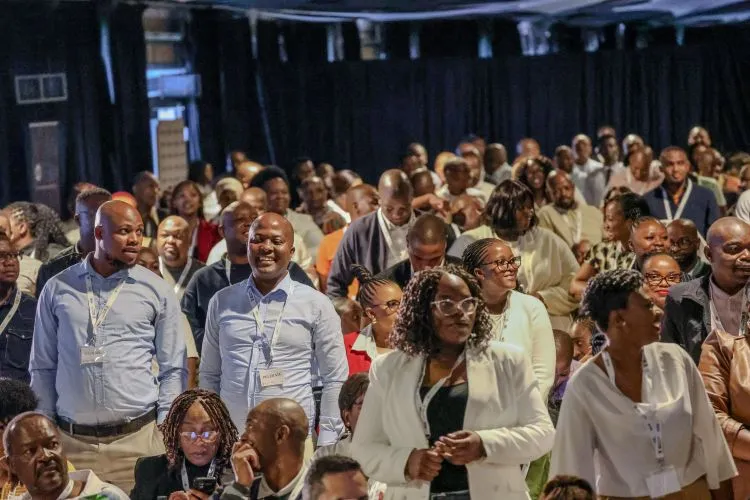
Seasoned inspectors, including Provincial Chief Inspectors and Chief Directors for Provincial Operations, also shared insights drawn from years of enforcement and regulatory leadership, enriching the learning environment for newer delegates.”
This blend of new and experienced inspectors created a dynamic platform for mentorship, knowledge exchange, and collective reflection on the evolving challenges within South Africa’s OHS landscape.
Discussions further highlighted the growing role of artificial intelligence and digitalisation in improving hazard detection, training, and risk prediction, while acknowledging the need to manage associated risks. As the conference closed, there was a clear and unified call to translate commitments into action and to build a sustained culture of prevention.