

Decent work through infrastructure
In Baidoa, Somalia, an ILO road project is creating jobs, safety and dignity at work
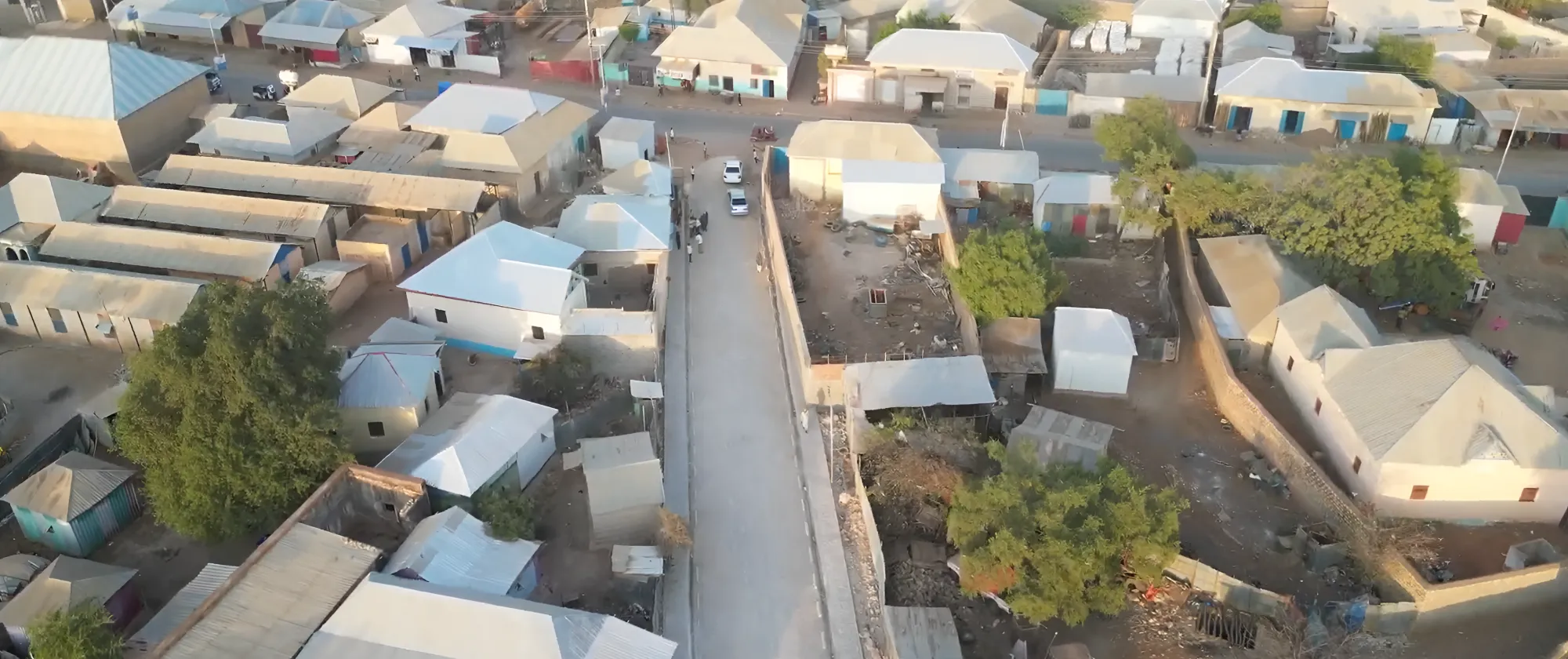
As Baidoa, Southwest Somalia, continues to expand, a new road, built by the ILO KFW project, is doing more than easing traffic and connecting neighbourhoods. It is creating decent jobs for displaced people, returnees and host communities, while setting higher standards for safety, inclusion and workers’ rights. By putting people at the centre of infrastructure development, the project shows how roads can deliver lasting economic and social impact.
10 February 2026
Baidoa, Somalia (ILO News) - Traffic is slowly building up in Baidoa, the capital of Somalia’s Southwest State. Shops are reopening. Commuters navigate the busy city centre as the sun beats down on a stretch of road alive with activity. The steady rhythm of hammers shaping cobblestones blends with the hum of daily life.
For Abdikadir Mohamed, an engineer with the Ministry of Public Works, the sound signals more than construction.
“Before, we focused only on the technical drawings. The slope. The materials. The design,” he says, holding a well-thumbed copy of the new Road Design Manual. “Now we also see the people building the road. That has changed the way we work.”
That shift is at the heart of an ILO project funded by KfW. The aim is not only to build durable infrastructure, but to do so in a way that creates decent work for internally displaced persons, returnees and host communities in Baidoa.
Turning infrastructure into opportunity
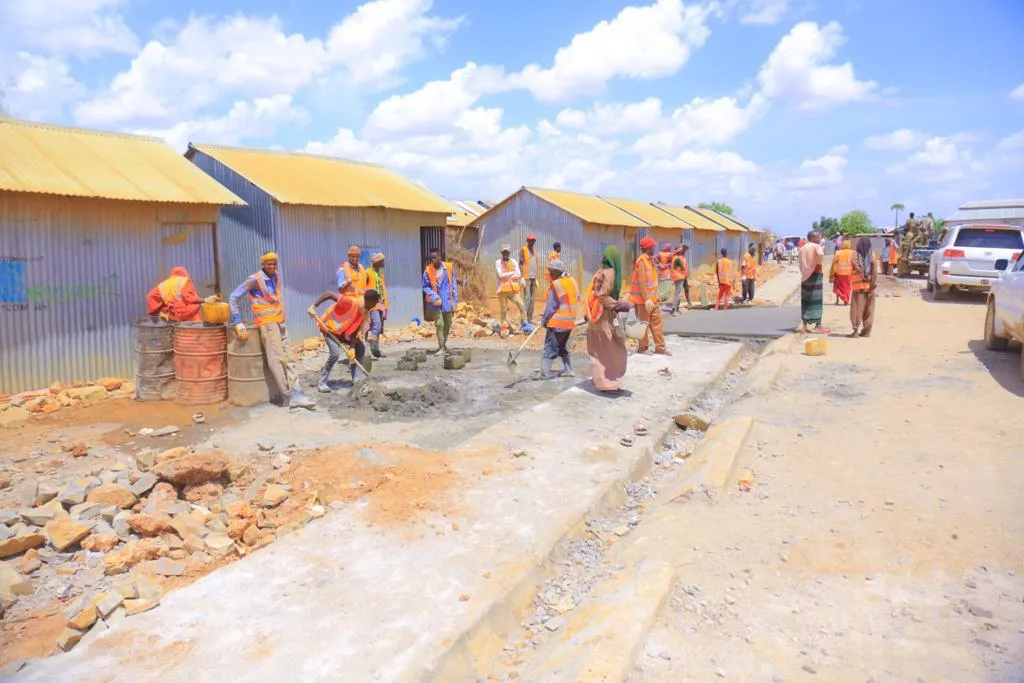
On site, the workforce reflects the community itself. Men and women work side by side. Young people from host communities share tasks with displaced workers, earning fair wages under clear conditions.
For Saabiriin Adan, a widowed mother of three, the project has been a turning point.
“Before this, I relied on small, irregular jobs,” she says during a break under a shaded rest area. “The pay was uncertain and the conditions were difficult. Here, we were told our rights from the start. We know what we earn, and we are paid on time. Now I can plan for my children’s future.”
This transparency is the result of a strong focus on labour standards. Contractors received pre-tender training on ILO labour standards and the decent work agenda. Those principles now guide daily practices on site.
Safety as a standard, not an afterthought
Protective goggles. Gloves. Masks. Clear safety signs in Somali and simple pictograms marking hazards.
For Osman Ali Salaat, a stone chiseller with more than a decade of experience, this level of protection is new.
“In the past, injuries were just part of the job,” he says. “Now supervisors remind us that our health matters. We are trained to lift stones safely and avoid injuries. It makes you feel valued.”
Occupational safety and health was treated as essential from the start. It was budgeted. It was taught. And it is enforced. The result is safer worksites and a culture of respect.
Inclusion built into the work
Inclusion is not symbolic. It is practical and deliberate.
Site supervisors were trained to identify tasks for everyone, including workers with disabilities. Some focus on quality control, measurements or tool management. Women are not confined to support roles. They pave roads, manage materials and contribute to daily site meetings.
“We learned how to make space for everyone,” explains site supervisor Ayub Issak. “That is how you build strong teams and strong communities.”
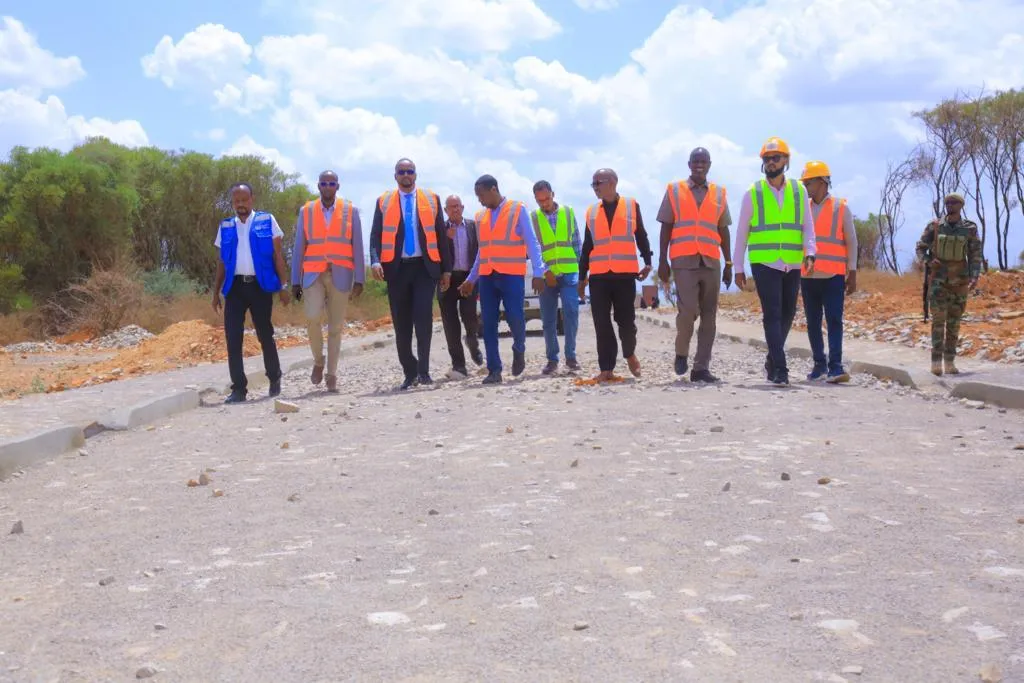
Giving workers a voice
One of the project’s most powerful tools is also one of its simplest. A locked suggestion box sits discreetly on site, next to a poster explaining the grievance mechanism in clear terms.
“This box protects us,” says Yusuf Abdi, a young worker from Baidoa district. “When our water supply was not being refilled, I wrote a note. The next day, a new tank arrived. It showed that our concerns are taken seriously.”
By promoting accountability and dialogue, the mechanism builds trust and supports the project’s long-term sustainability.
A road with a lasting legacy
As the new road stretches deeper into Baidoa, it does more than connect places. It connects people to jobs, income and dignity.
“Yes, we are building a quality road that will last for years,” Abdikadir says, looking over the newly paved section. “But we are also building a model. Infrastructure that is fair, safe and inclusive. That is the real legacy.”