

Assessing alignment of South Africa’s social security system with ILO Social Security (Minimum Standards) Convention, 1952, No. 102
With the support of the ILO, South Africa’s social partners discussed and reviewed the preliminary results of a comparative assessment between the national legislation and this landmark ILO Convention.
25 March 2026
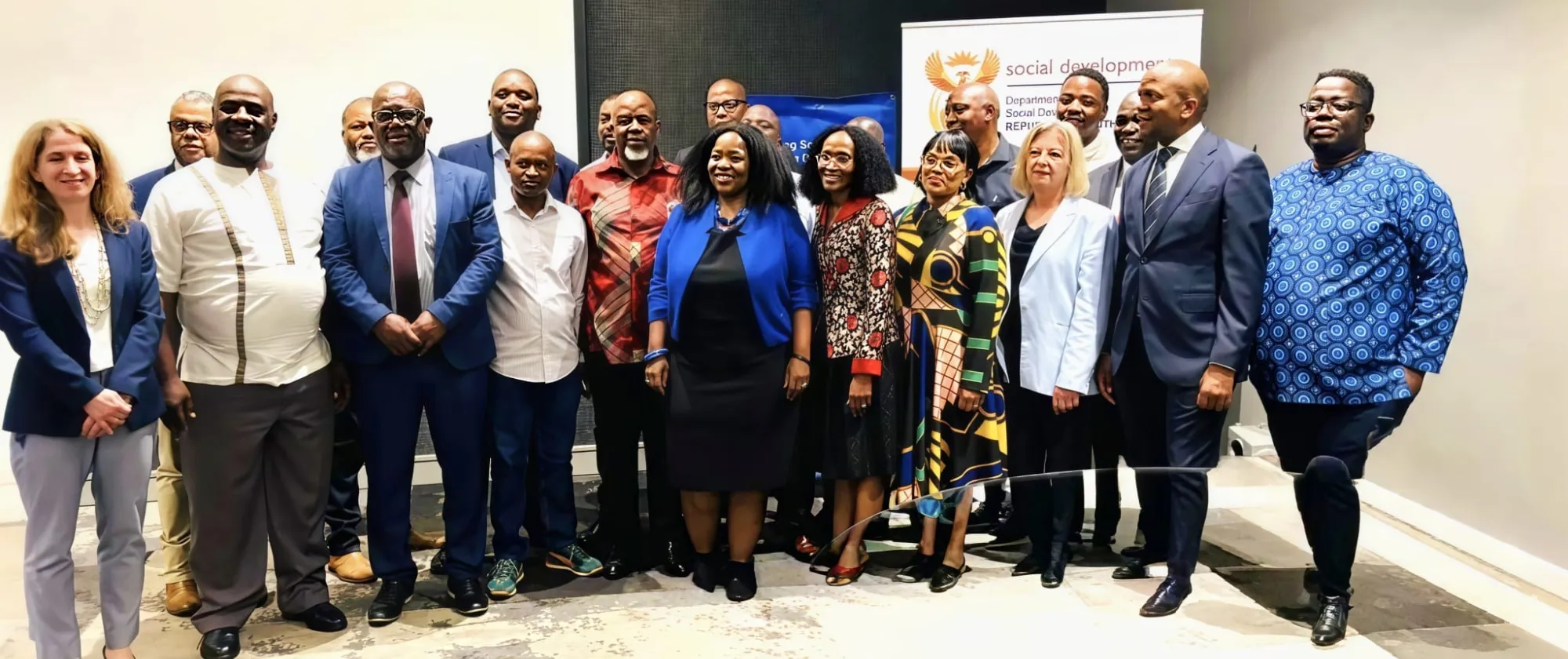
Johannesburg, South Africa (ILO News) – On 19–20 March 2026, the International Labour Organization (ILO), in collaboration with the Government of South Africa, convened a high-level multistakeholder workshop to assess national legislation and practice in comparison with the Social Security (Minimum Standards) Convention, 1952 (No. 102).
The two-day event served as both a learning forum and a strategic crossroads. Participants engaged in deep-dive capacity-building sessions to unpack the core principles of Convention No. 102 before moving into review of the comparative report.
This report provides a detailed legal analysis, comparing current national legislation with the minimum requirements and principles set out by the Convention. By discussing the report’s preliminary findings, South Africa is now better positioned to identify where its system excels and where further alignment is needed to protect its citizens against life’s uncertainties.
Why Convention No. 102 matters?
Convention No. 102 is the only international treaty that provides a systemic and holistic vision of social security, establishes specific rights and defines key parameters for the gradual development of comprehensive social protection systems. While the Convention establishes nine branches of social security, ratification does not require compliance with all nine branches: countries may ratify the Convention if they meet the requirements for at least three branches, provided that at least one addresses unemployment, old age, employment injury, disability, or death of the family income provider.
To date, 68 countries—including 13 in Africa—have ratified this landmark Convention, reaffirming its relevance as a cornerstone for designing and implementing rights-based social protection systems that are comprehensive, sustainable, and provide adequate benefits. South Africa’s progress in assessing the feasibility of ratification contributes meaningfully to this collective global momentum.
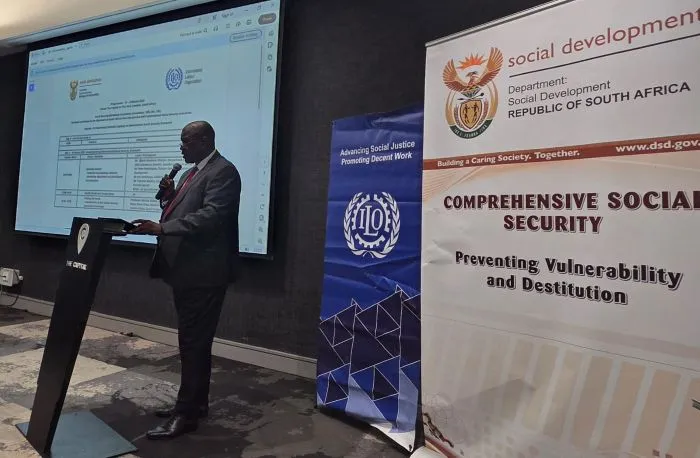
Mr Peter Netshipale, Director General, Department of Social Development
In line with our constitutions obligations, the government remains committed to building and maintaining rights based sustainable social protection system that ensures no one is left behind.
Key Objectives of the Workshop
The workshop focused on four core objectives to support South Africa's path towards strengthening its national social security system in line with international standards:
- Capacity building: Enhancing stakeholders’ knowledge on the minimum requirements and core principles enshrined in international social security standards
- Comparative assessment: Discussing the preliminary results of South Africa’s legal framework compared with the minimum requirements and principles of Convention No. 102.
- Global Advocacy: Raising awareness about the added value of ensuring alignment of national systems with internationally agreed standards
- Effective social dialogue: Facilitating meaningful discussions on the feasibility, implications, and advantages of advancing with the ratification process.
The resulting assessment can serve as a practical roadmap for strengthening the legal and policy framework, contributing to the realisation of the right to social security through adequate, accessible, and sustainable systems that build resilience across the life cycle."
Mr. Alexio Musindo, Director, Decent Work Team and Country Office, ILO
The event brought together more than 30 participants, including government representatives from the Department of Social Development, Department of Employment and Labour, Department of Health, National Treasury, South African Social Security Agency, Unemployment Insurance Fund, Compensation Fund, Financial Sector Conduct Authority, and Statistics South Africa. Social partners and academia, also actively contributed to the discussions.
"Social assistance contributes to social cohesion, reducing vulnerability, promoting dignity across generations and promoting inclusive development."- Mr. Themba Maclou, Chief Executive Officer, South African Social Security Agency
Their engagement reflects broad national interest in strengthening South Africa’s social protection system and marks a significant step toward the potential ratification of Convention No. 102.
"We need to make an effort as Government to the realisation of Constitution all while acknowledging international minimum standards. " - Anthony Makwiramiti, Chief Director of Social Insurance, DSD
You may also be interested in
►Global Ratification Campaign on Convention No. 102 | International Labour Organization