

Skills and Industry
Aligning Skills with Industry Needs: Workshop Contributes to Rwanda's Sectoral Skills Development Initiative
5 August 2024
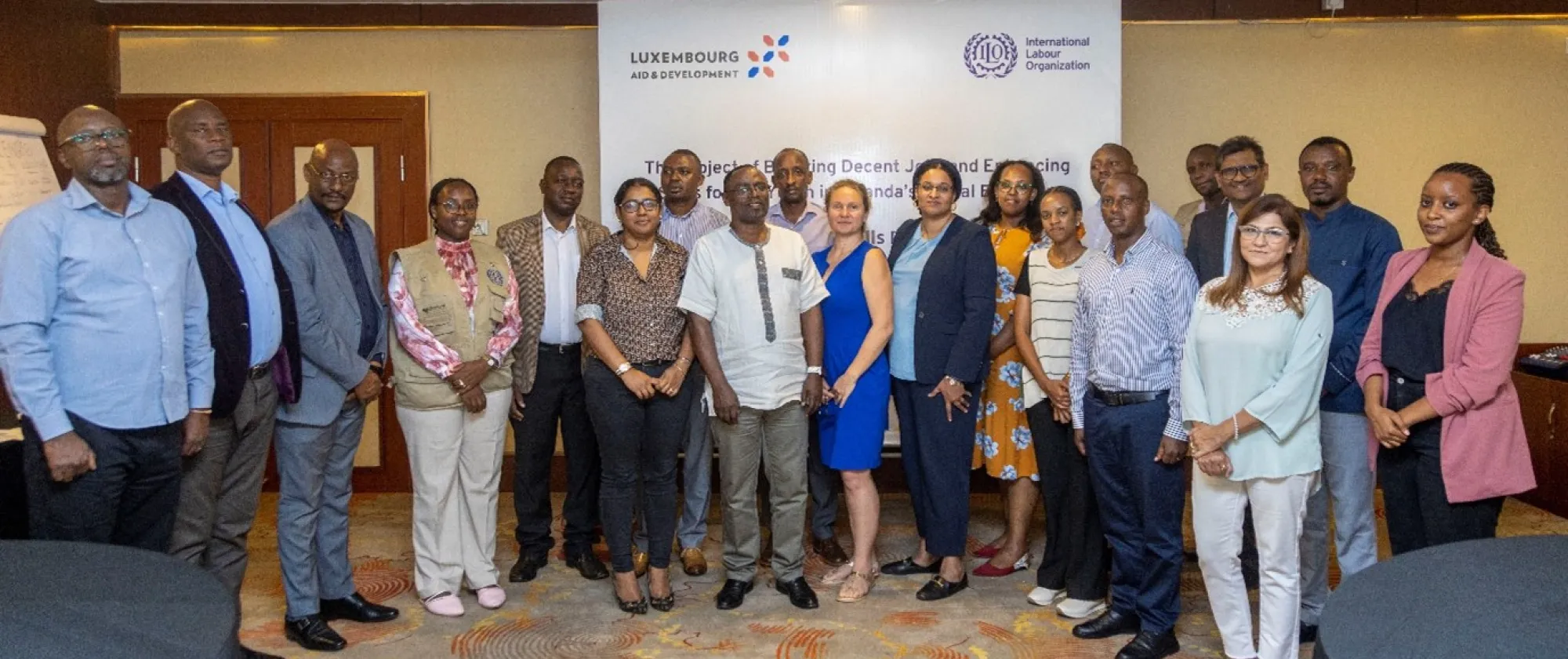
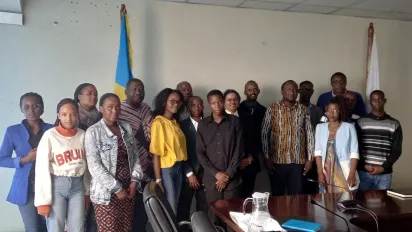
Rwanda, (ILO News) The International Labour Organization with generous support of the Luxembourg Ministry of Foreign and European Affairs, recently led a crucial five-day workshop aimed at improving sectoral skills development. Held from August 5 to August 9, 2024, at the M Hotel in Kigali, the workshop brought together key stakeholders to discuss strategies for aligning skills development with the needs of various sectors within the Rwandan economy.
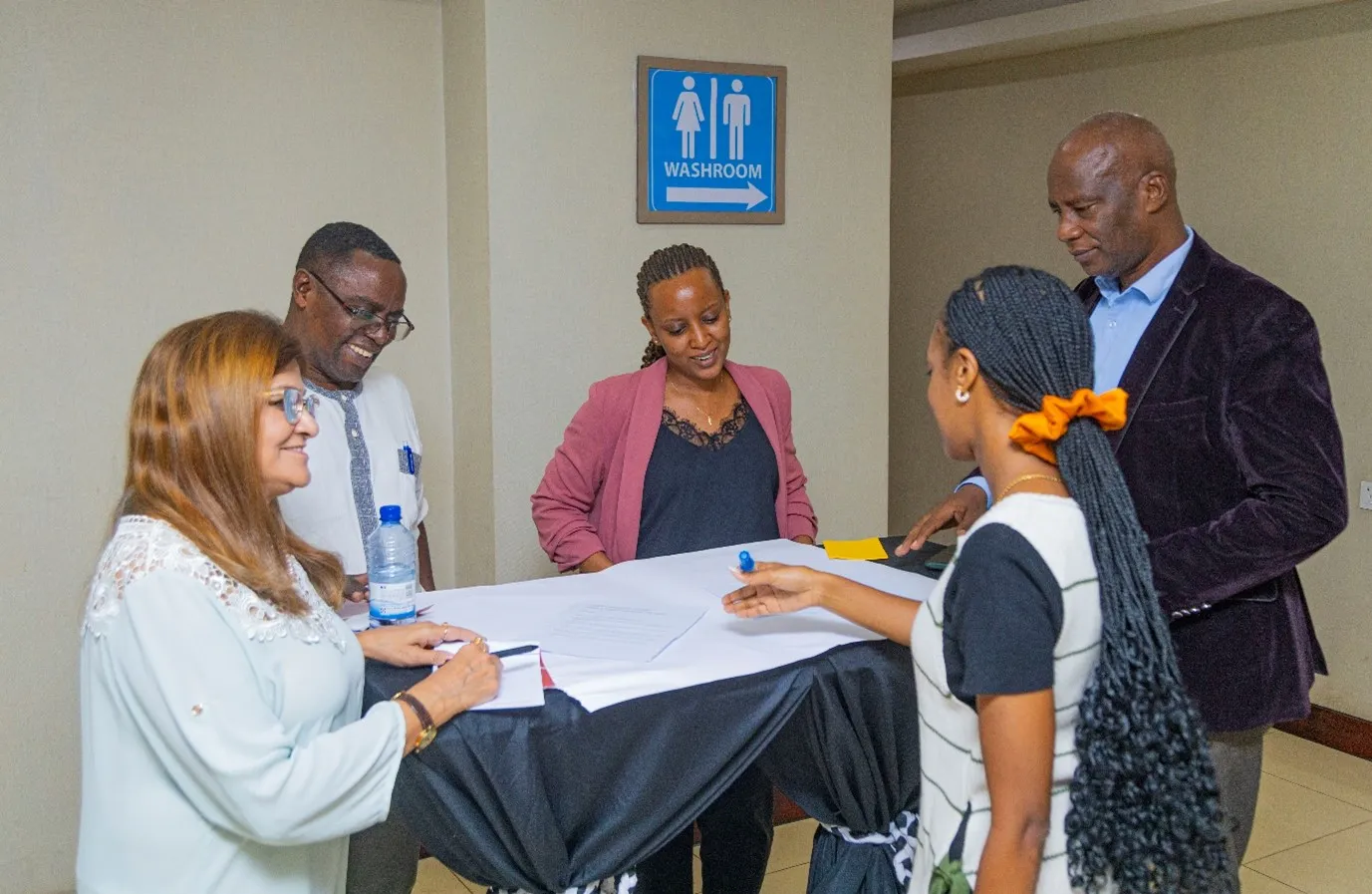
The workshop kicked off with an introduction and an icebreaker session, followed by opening remarks and a keynote address delivered by the Youth Employment Project Manager, Fatima Sirelkhatim. These initial sessions set the tone for the workshop, emphasizing the importance of skills development as a driver for economic growth and social stability in Rwanda.
Throughout the week, participants engaged in a series of sessions that included global perspectives on Sector Skills Bodies (SSBs) and the governance structures that support them. Notably, discussions were facilitated on international examples from the UK, South Africa, and India, highlighting how different countries have structured their SSBs to meet sector-specific skill needs.
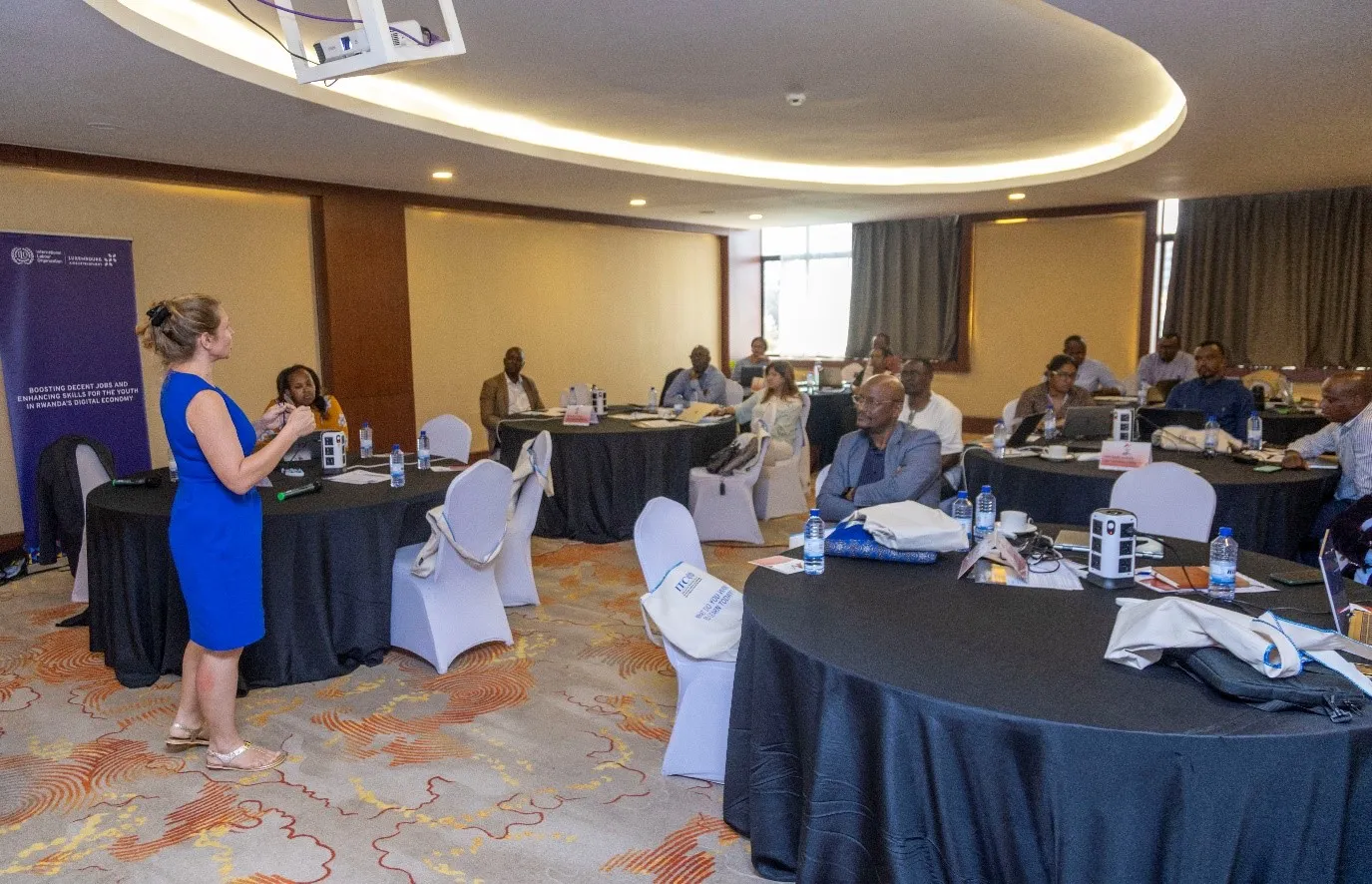
One of the key areas of focus was the introduction and application of skills anticipation tools where the participants were led through various methodologies, including skills surveys, skills forecasting, and fore sighting, emphasizing both short-term and long-term perspectives. These tools are vital for identifying current and future skill gaps, ensuring that training programs remain relevant and effective.
Interactive sessions were a significant component of the workshop, allowing participants to apply what they had learned. For instance, they worked on developing skills surveys and tracer studies after being provided with real-world examples and facilitated discussions on methodology and implementation. The emphasis on practical application ensured that participants left with actionable skills and tools to bring back to their respective organizations.
Another critical aspect of the workshop was the discussion on the governance of SSBs. Using case studies from South Africa and Singapore, participants explored different governance models, including committee structures and autonomous organizations. The discussions underscored the importance of having a strong oversight body to manage the performance, build capacity, and enable change within SSBs.
A highlight of the week was the exploration of how SSBs can be financed and the challenges they face in sustaining operations. In these sessions they were provided insights into the various funding models used globally, emphasizing the need for sustainable financial strategies to support the ongoing work of SSBs.
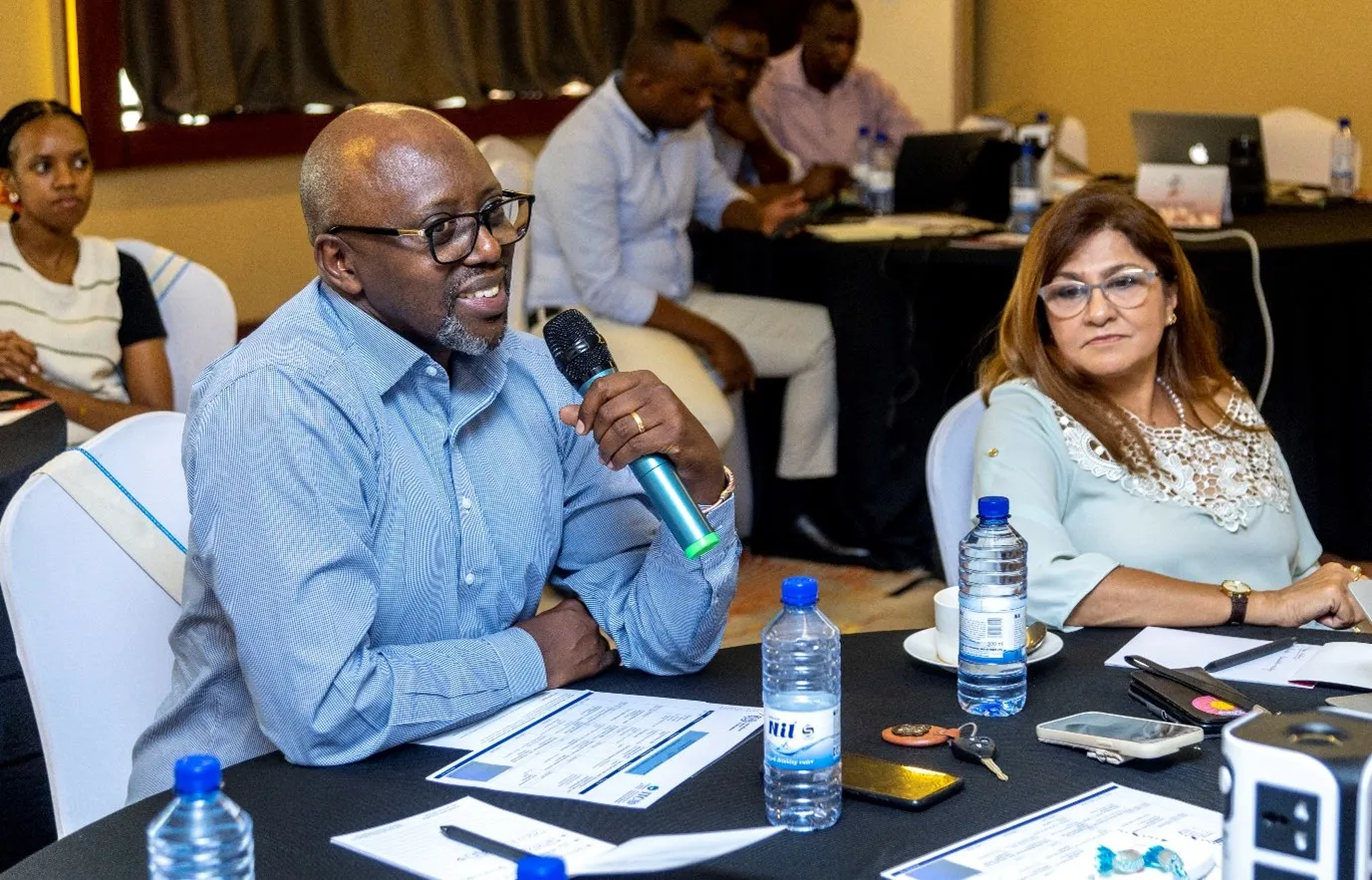
This activity was made possible thanks to funding from the Directorate for Development Cooperation and Humanitarian Affairs of the Ministry of Foreign and European Affairs of Luxembourg. Overall, the workshop provided a comprehensive overview of the tools, methodologies, and governance structures needed to effectively develop sector-specific skills in Rwanda. By focusing on both global perspectives and local implementation, the ILO-led event has laid the groundwork for significant advancements in skills development discussions, aligning training with the evolving needs of Rwanda’s economy. The outcomes of this workshop are expected to inform future policy initiatives, ensuring that Rwanda continues to build a skilled workforce capable of driving economic growth and social development in the country.
Related content
Digital Economy
Boosting Decent Jobs and Enhancing Skills for the Youth in Rwanda’s Digital Economy