

Pre-Doha Dialogue on Labour Migration
African tripartite partners agree on a common labour migration approach
African governments, employers and workers have set out shared priorities on fair recruitment, skills, social protection and migrant worker protection ahead of the Second AU-GCC+ Labour Migration Dialogue.
1 October 2026
NAIROBI (ILO News) – African Union Member States and employers' and workers' organizations have agreed on a common approach and 16 recommendations to advance fair, safe, rights-based and sustainable labour mobility between Africa and the GCC+ region. The recommendations will guide Africa's engagement in the Second AU-GCC+ Labour Migration Dialogue, to be held in Dar es Salaam, United Republic of Tanzania, on 5 and 6 October 2026.
The "GCC+" format brings together countries of the Gulf Cooperation Council (GCC) with other key destination countries for African migrant workers, including Jordan and Lebanon. Established in May 2024 as a voluntary, non-binding and State-led consultative process, the Doha Dialogue offers a platform for countries of origin and destination to strengthen cooperation on safe, orderly and regular labour mobility between Africa and the GCC+ region. The 2026 Dialogue will focus on the theme "From Commitment to Action: Advancing Fair and Sustainable Labour Mobility between Africa and the GCC+."
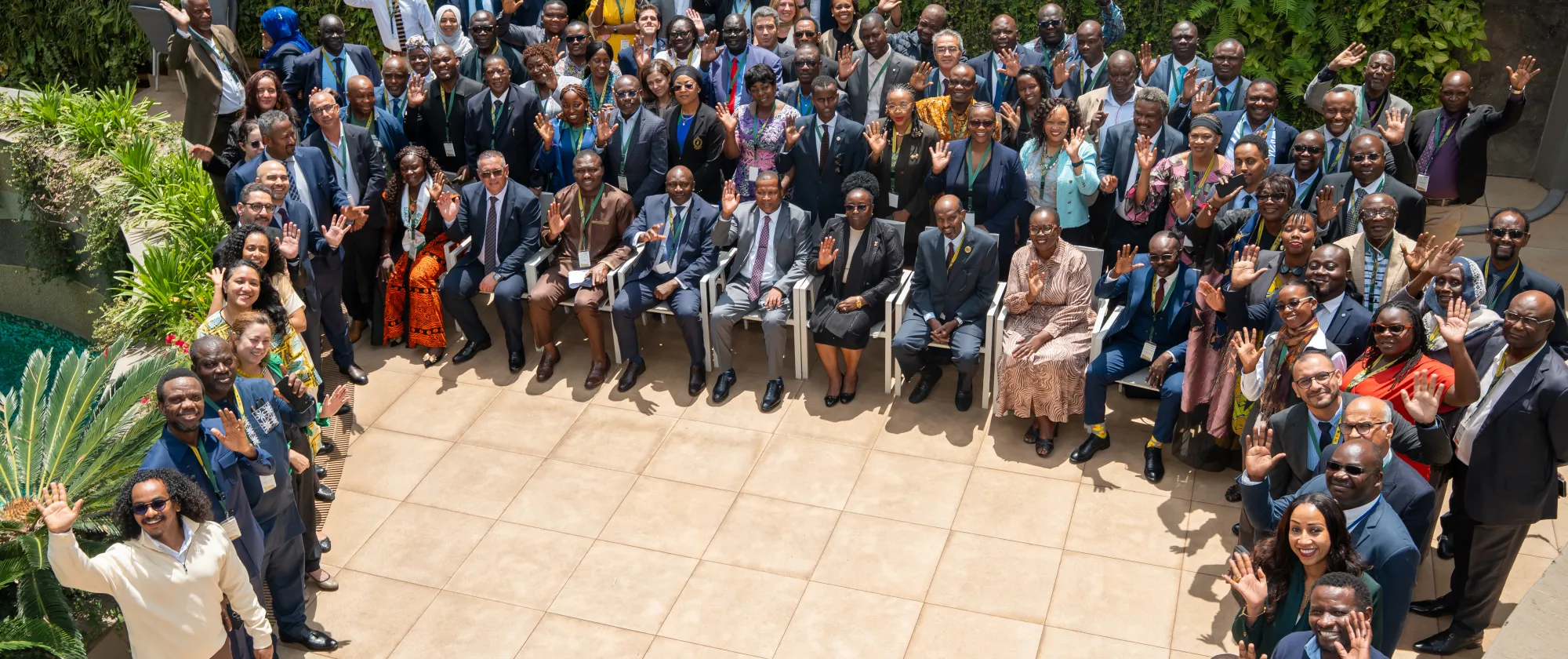
The shared positions were developed at a tripartite meeting convened by the African Union Commission, with support from the International Labour Organization (ILO), in Nairobi on 22 and 23 September 2026. The meeting brought together 100 participants, including 43 women, representing governments and employers' and workers' organizations from 28 African Union Member States, as well as regional and international institutions.
While intra-African migration remains the predominant form of migration on the continent, labour migration from Africa to the GCC States, Jordan and Lebanon has increased significantly over the past decade. African migrant workers contribute to the economies and societies of both countries of origin and destination, but many continue to face challenges, including unfair recruitment practices, contract substitution, wage-related violations, unsafe working and living conditions, and limited access to social protection and grievance mechanisms. Women migrant workers, particularly those employed in domestic work, can face heightened vulnerabilities.
African workers should be able to access employment that corresponds with their skills, qualifications and experience
During the closing remarks, Mr. Joel Mwanzia, Labour Migration Secretary at Kenya's Ministry of Labour and Social Protection, said: African workers should be able to access employment that corresponds with their skills, qualifications and experience. At the same time, labour mobility partnerships should contribute to skills development and sustainable livelihoods in countries of origin,
Over two days, participants examined current labour migration trends and emerging priorities between Africa and the GCC+. Discussions covered decent work, wage protection, fair recruitment, access to justice, skills development, labour market pathways, social protection, health coverage and the portability of social protection benefits. Bilateral labour agreements and gender equality were addressed as cross-cutting issues, reflecting their importance in establishing predictable and rights-based frameworks for labour mobility.
Participants also considered the priorities and expectations of key countries of destination, identifying areas of convergence as well as issues requiring further dialogue in Dar es Salaam. The discussions emphasized the importance of ensuring that labour mobility pathways are underpinned by international labour standards and provide workers with effective protection throughout the migration and employment cycle, from recruitment and departure to employment, return and reintegration.
The outcome document sets out 16 recommendations to strengthen cooperation between African countries and GCC+ countries of destination. Key proposals include integrating skills recognition and portability, including Recognition of Prior Learning (RPL), into bilateral labour agreements, and extending social protection to migrant workers.
Participants also recommended standardizing and digitizing employment contracts and providing them to workers in a language they understand before departure, helping workers understand their terms of employment and reducing the risk of contract substitution. They further called for mechanisms enabling migrant workers to pursue labour-related claims and access remedies after returning to their countries of origin.
Other proposals include stronger cooperation among African countries to facilitate access to embassy and consular services, particularly where individual countries may have limited diplomatic representation; a minimum African benchmark for bilateral labour agreements; a coordinated crisis protection mechanism supported by a dedicated crisis-response and reintegration fund; and gender-responsive labour migration policies, including measures to address discriminatory practices.
The meeting stressed that implementation will require stronger institutional coordination and accountability, including the prompt establishment of a joint Africa-GCC+ secretariat and a practical roadmap with clear milestones and responsibilities. The common African approach will provide a basis for engagement at the Dialogue in Dar es Salaam and for continued cooperation between countries of origin and destination.
About the meeting
The meeting was supported by the ILO through the Better Regional Migration Management (BRMM) Programme, funded by the UK Foreign, Commonwealth and Development Office (FCDO); the Free Movement of Persons and Transhumance in the IGAD Region (FMPT-II) project, funded by the European Union; and the Promoting Opportunities, Protection, Employment and Labour Integration through the AUC/ILO/IOM/GIZ Joint Programme on Labour Migration Governance for Development and Integration in Africa (JLMP Propel), funded by the Swedish International Development Cooperation Agency (Sida) and the Swiss Agency for Development and Cooperation (SDC). Support was also provided through the FAIRWAY project, financed by SDC.
Relevant projects

East and Horn of Africa
Better Regional Migration Management