

Advancing sustainable livelihoods through Non Profit Organisation models
The EPWP Community of Practice brought together government, NPOs, and partners to explore how NPO-led innovations in waste management and food security can create sustainable exit pathways for programme participants. The session highlighted community-driven solutions, participant experiences, and a shared commitment to strengthening collaboration, transparency, and inclusive employment opportunities.
2 December 2025
South Africa, Johannesburg (ILO News) - The International Labour Organization (ILO) joined government, civil society, and development partners at the Expanded Public Works Programme (EPWP) Community of Practice (COP) event to strengthen dialogue on exit pathways and sustainability within the Non-Profit Organisation (NPO) Programme under Phase V of the EPWP.
The event held under the theme “The Role of Non-Profit Organisations in Creating Exit Pathways and Promoting Sustainability within the EPWP”, the COP gathered national stakeholders committed to inclusive employment and improved service delivery. Delivering a message of support, ILO Director for Eastern and Southern Africa, Mr Alexio Musindo, reaffirmed the Organisation’s commitment to supporting South Africa’s efforts to create decent and inclusive employment—especially for youth, women, and persons with disabilities.
The session underscored the strategic role of NPOs as community-based actors capable of driving innovation, catalysing local development, and providing meaningful transition opportunities for EPWP participants.
Keynote speaker, Deputy Minister of Cooperative Governance and Traditional Affairs, Minister Dickson Manamela, highlighted how strong public–NPO collaboration can enhance programme effectiveness and create scalable, sustainable impact.
NPOs are central to development. The EPWP partnering with NPOs can make a change in the lives of the people as NPOs respond to real contemporary challenges.
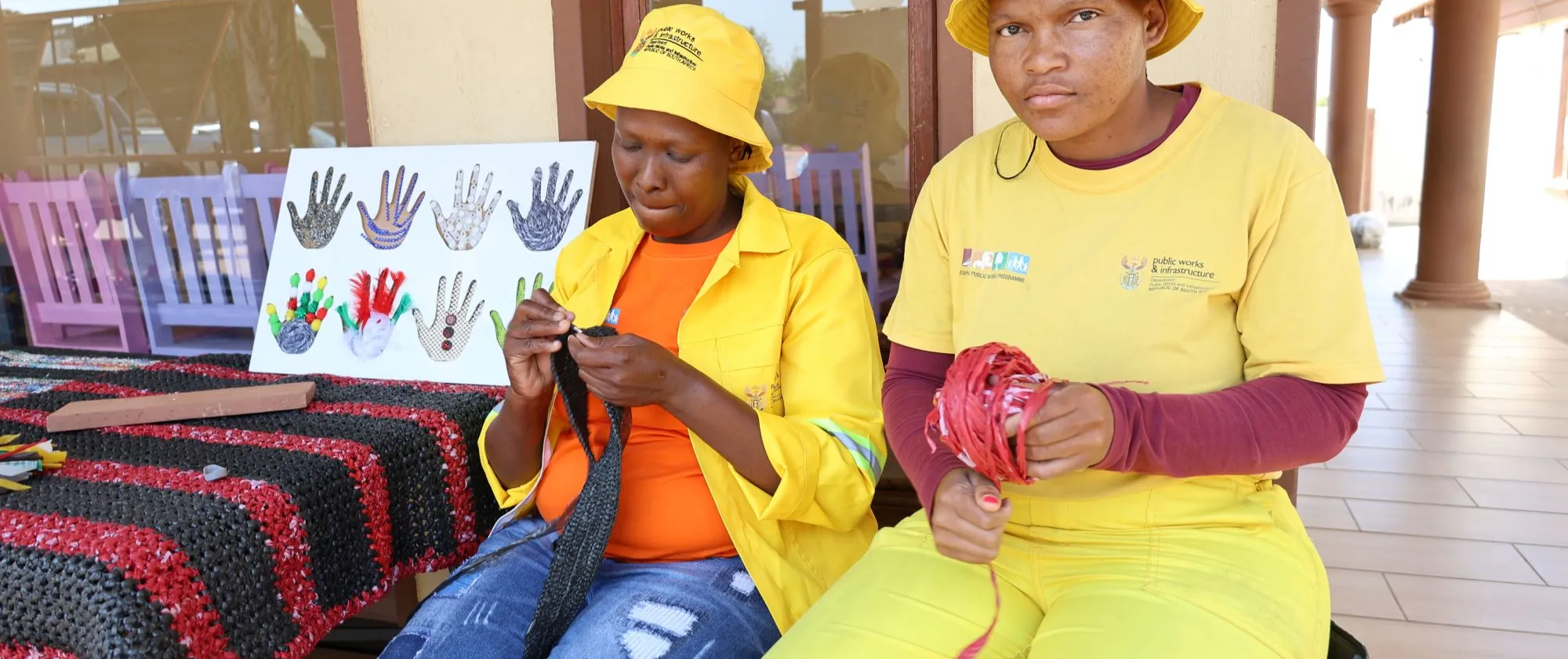
The COP showcased innovative NPO-led models in waste management and food security, demonstrating how community organisations are integrating environmental sustainability, skills development, and livelihoods creation. These examples illustrated how the EPWP NPO Programme can serve as an engine for both employment and long-term resilience.
Testimonials from youth, women, and persons with disabilities further highlighted the transformative impact of the programme, showing how EPWP participation opens pathways to further training, entrepreneurship, and improved economic participation.
The ILO also had an opportunity to showcase its Japanese funded e-Waste for Youth Employment in Limpopo Province project. The project seeks to capacitate young community-based entrepreneurs involved in e-waste management and link them to global supply chains so that they create jobs as they do this business.
Cebisile Nyambe the ILO Project Manager said the project seeks to train 22 young people being one enterprise in each of the province’s 22 Local Municipalities as well as one Lecturer in each of the Province's seven TVET Colleges. Each enterprise when fully operational is likely to create over 500 direct and indirect sustainable jobs. The TVET Colleges will then be able to roll out the e-waste management curriculum also being developed under the project.
A key session on governance and delivery ethics reinforced the importance of transparency, accountability, and responsiveness in strengthening trust in public employment programmes—principles central to the ILO’s Decent Work Agenda.
The COP concluded with a collective commitment to scaling successful models, strengthening institutional coordination, and embedding inclusive approaches within the EPWP. The ILO reaffirmed its continued partnership with government and civil society to promote decent work, enhance programme delivery, and support sustainable livelihood opportunities for vulnerable groups.