

Child labour
Advancing action against child labour in the Philippines
A strengthened Monitoring and Evaluation Framework aims to advance action by tracking progress, enhancing accountability and supporting inclusive action to eliminate child labour in the Philippines.
31 October 2025
MANILA (ILO News)- The Philippine Programme Against Child Labor (PPACL) 2023-28 is the country’s comprehensive plan to prevent and eliminate child labour. Implemented by the National Council Against Child Labor (NCACL), the PPACL outlines interventions under six strategic components: social and behavioural change campaigns, strengthening and localization of NCACL efforts, enforcement of child labour laws and related policies, access to social protection, knowledge management, and monitoring and evaluation.
To track the progress of these interventions, the ILO, through the “Strengthening freedom of association and action against child labour in the Philippines” project funded by the Employment and Social Development Canada (ESDC), supported the Department of Labor and Employment (DOLE) and NCACL in developing the PPACL Monitoring and Evaluation (M&E) Framework, including results matrices for each component and accompanying tools.
A series of consultations with the NCACL Technical Working Groups (TWGs) were facilitated to cover the components of the Action Plan:
- Advocacy and Communications (7 August 2025),
- Social Service Delivery (8 August 2025),
- Enforcement and Partnerships (12 August 2025), and
- Knowledge Management and Monitoring and Evaluation (18 August 2025).
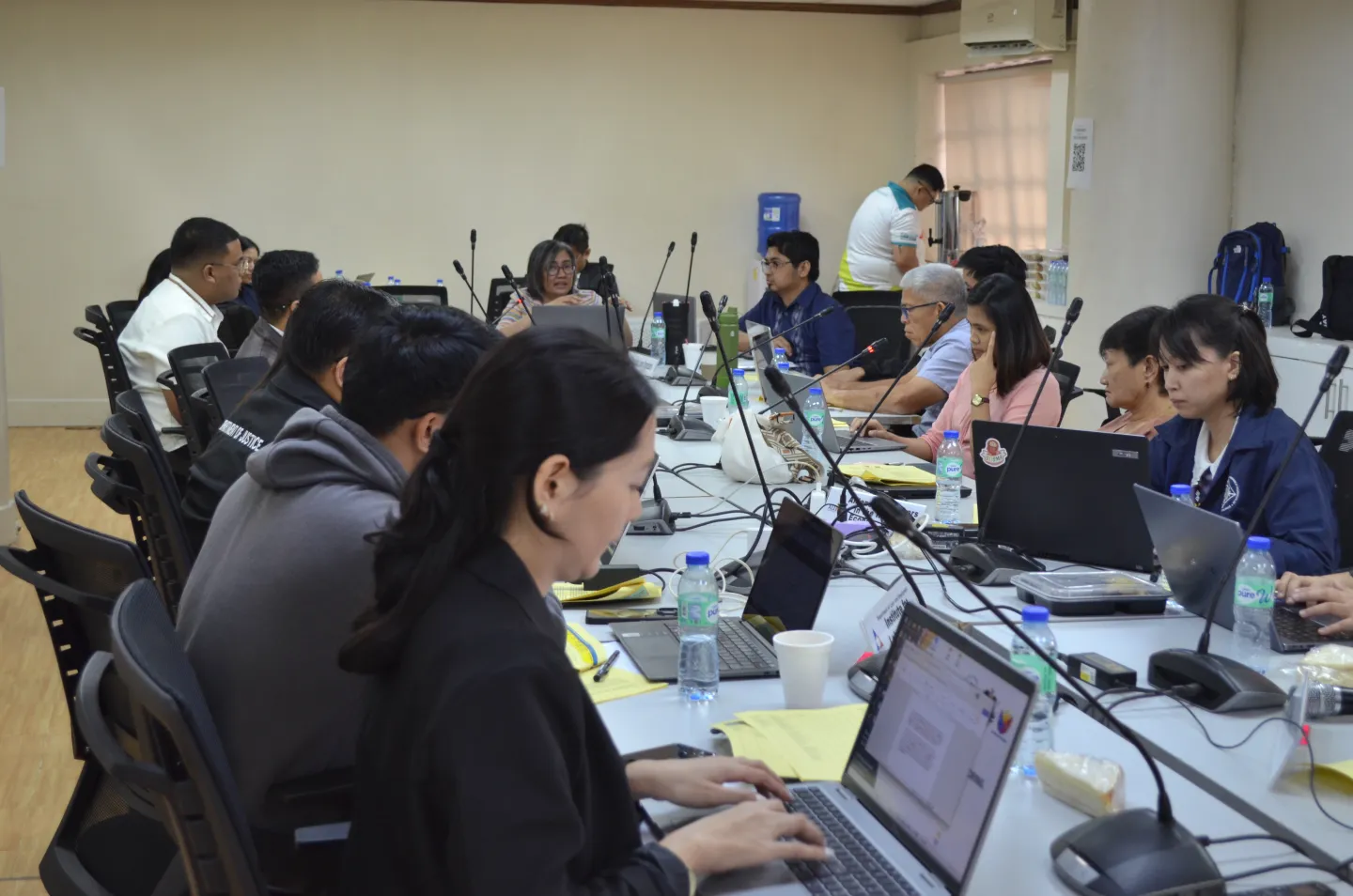
These consultations consolidated agencies’ inputs in formulating the framework and matrices. The PPACL 2023-28 M&E Framework, matrices, and tools were validated on 10-11 September 2025 to ensure that entire M&E Framework will not only cover the components of the PPACL 2023-28 but also align with and complement the requirements of child-labour-related indicators enrolled in national frameworks such as the Philippine Development Plan (PDP) and the Philippine Labor and Employment Plan (PLEP) 2023-28. The PPACL M&E Framework was presented to during its 3rd quarterly meeting for adoption.
The M&E Framework integrates cross-cutting themes such as gender equality, disability inclusion, and cultural sensitivity. Data collection tools ensure disaggregation by sex and age, while assessment instruments, such as Knowledge, Attitudes, and Practices (KAP) surveys, include questions on Indigenous group affiliation and disability status and type, as applicable. This framework will also guide the mid-term assessment of the PPACL in the first quarter of 2026, which the project will also support.
By strengthening monitoring and evaluation, the PPACL reinforces the Philippines’ commitment to eliminating child labour through inclusive, evidence-based, and impactful interventions.
Related content

Rights at work
Strengthening freedom of association and action against child labour in the Philippines
Relevant projects
Rights at work
Strengthening freedom of association and action against child labour in the Philippines