

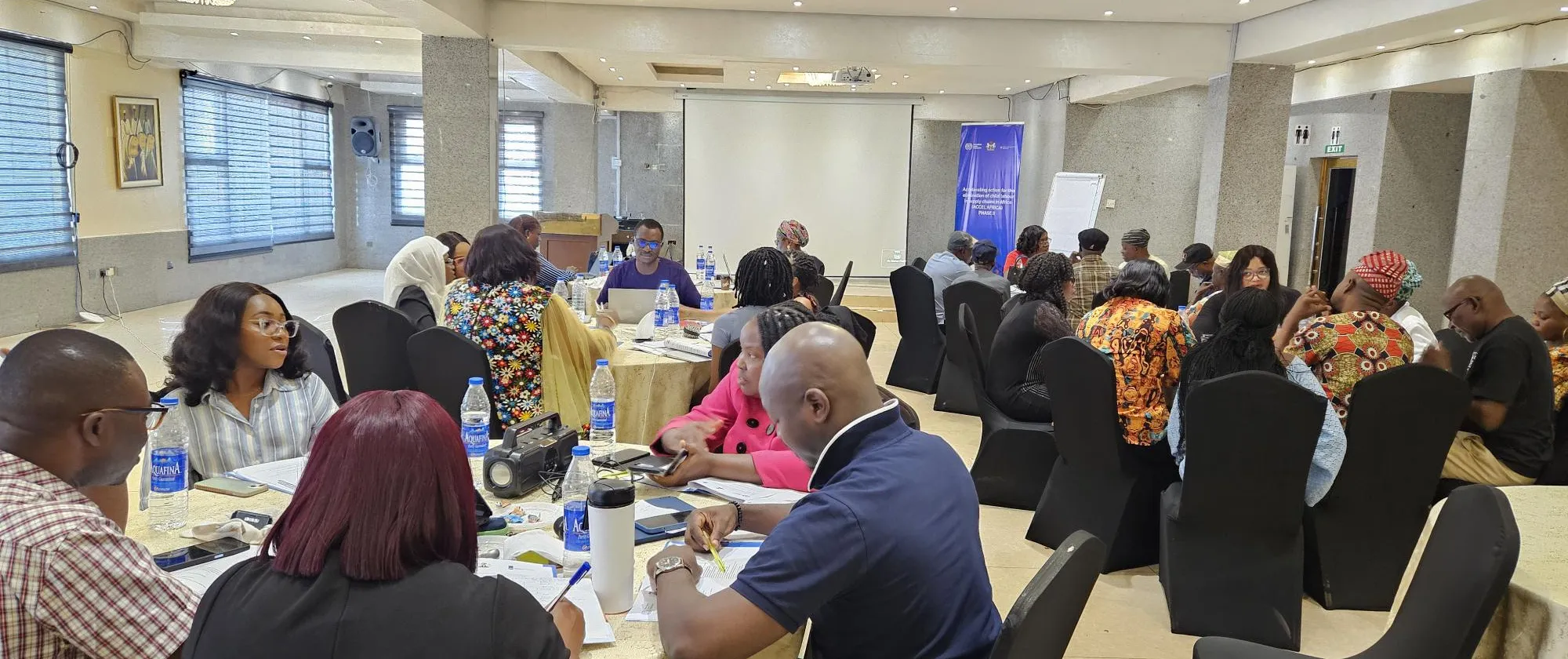
ACCEL Africa holds an important training workshop on child labour elimination for Nigeria Employers in the Cocoa supply chain
15 August 2024
Lagos, Nigeria, 15 August 2024 - The ACCEL Africa Project, in collaboration with the Nigeria Employers Consultative Association (NECA), recently concluded a highly impactful three-day workshop aimed at eradicating child labour from Businesses in Nigerian supply chains with a focus on the cocoa supply chains, key to the Nigerian economy. Held from August 13 to 15, 2024, at BWC, Victoria Island, Lagos, the workshop brought together key stakeholders from various sectors, including multinational enterprises (MNEs), small and medium enterprises (SMEs), and micro-enterprises, NECA affiliate organisation – NECA’s Network of Entrepreneural Women (NNEW) Executives, Cocoa Farnmers and some civil society organisations. The specific objective of the programme is to popularize the use of the ‘ILO/NECA Code of Conduct and the Child Labour Guidance Tool for Businesses in Nigeria’ in the organised private sector of the country.
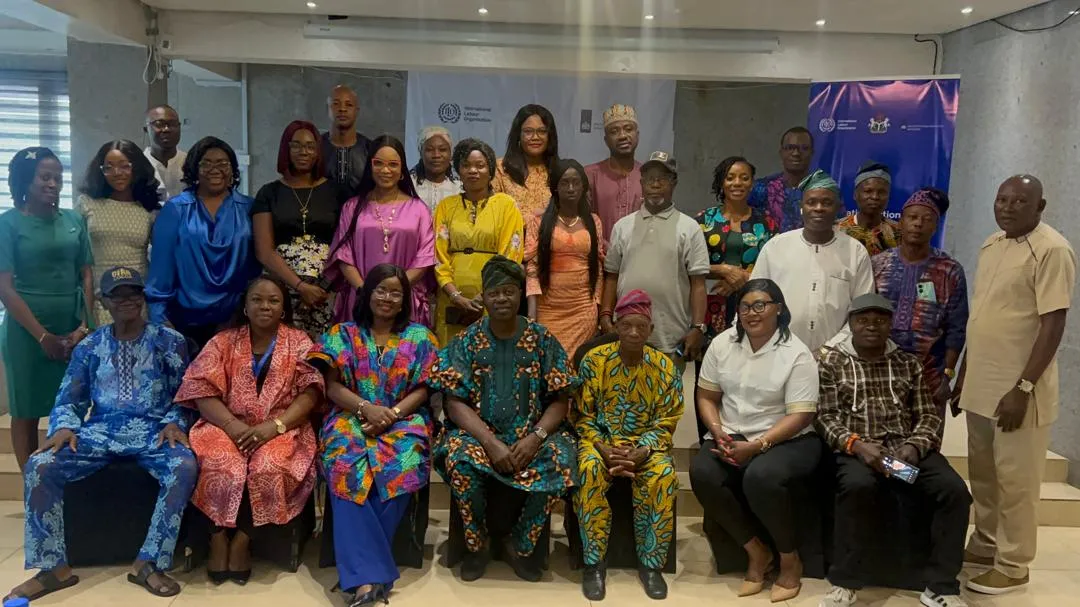
This training was an integral part of the ACCEL Africa Project, a five-year initiative implemented by the International Labour Organization (ILO) and funded by the Ministry of Foreign Affairs of the Netherlands, designed to accelerate the elimination of child labour in critical supply chains across Africa. In Nigeria, the focus has been on the cocoa and ASGM sectors, both identified as significant areas of concern regarding child labour.While this first round of the workshop focused on the cocoa value chain, another round which will hold in in a couple of weeks in Niger state will focus on the ASGM value chain.
The workshop began with an introduction to the ACCEL Africa Project and by offering participants a comprehensive overview of the global and Nigerian context concerning child labour. This included a detailed examination of legal frameworks and international standards, such as ILO Conventions 138 and 182, alongside key Nigerian laws, including the Child Rights Act and the Labour Act of 2003. Participants gained crucial insights into the effects of child labour on children, illustrated through real-life case studies highlighting the physical, psychological, and social impacts.
Building on this foundation, the workshop progressed to the practical application of the ILO/NECA Code of Conduct and Child Labour Guidance Tool for Businesses. Participants engaged in interactive exercises and case study analyses designed to help them identify and address child labour within their supply chains. Discussions also centered on best practices for preventing and addressing child labour, including developing robust policy commitments, assessing the impact of business practices, and taking effective action to eliminate child labour.
An important aspect of the workshop was the emphasis on the role of businesses in integrating children’s rights into their operations. Participants explored strategies to ensure that their business policies and practices respect and protect children’s rights, in line with both national and international standards. Additionally, the workshop provided a platform for experience sharing, where business leaders discussed the challenges and opportunities they encounter in the fight against child labour.
The final sessions of the workshop focused on the importance of multi-stakeholder collaboration in combating child labour. Participants explored strategies for building effective partnerships with NGOs, government agencies, and other key stakeholders. They were also introduced to tools and techniques for effective monitoring and reporting, essential for ensuring compliance and fostering continuous improvement in their efforts to eliminate child labour from their supply chains.
By the end of the workshop, participants had not only gained a deeper understanding of the complexities surrounding child labour but were also equipped with practical tools and strategies to advocate for and implement child labour-free practices within their operations. The training achieved its goal of empowering NECA members and other stakeholders to utilize the ILO/NECA Code of Conduct and other resources effectively, paving the way for more ethical and sustainable business practices in Nigeria.
The successful conclusion of this training marks a significant step forward in the ACCEL Africa Project’s mission to eradicate child labour from the cocoa and ASGM sectors in Nigeria. As the project continues, the knowledge and strategies shared during this workshop will be instrumental in driving lasting change across these industries, ultimately contributing to a safer and more equitable future for Nigerian children.
Relevant projects

Feasibility study and design of an impact bond to reduce child labour in Côte d’Ivoire