


Integrated policy measures and social dialogue
Just Transition in Asia and the Pacific
Climate change is profoundly reshaping work in Asia and the Pacific, leading to job losses, economic instability, and heightened health risks, especially for vulnerable communities. These challenges exacerbate poverty, worsen inequality, and destabilize economies, particularly affecting those with limited resources to adapt.
Nonetheless, transitioning to a low-carbon economy offers significant opportunities for economic growth and resilience. Managing this transition effectively is crucial to ensure no one is left behind. While some sectors may thrive through innovation and green technologies, others, especially carbon-intensive industries, could face significant disruptions. Workers in these sectors will require comprehensive reskilling, social protection, and adaptive policies to seize emerging opportunities.
A fair and inclusive transition, as emphasized in the International Labour Organization (ILO) Guidelines for a Just Transition towards Environmentally Sustainable Economies and Societies for All, can transform these challenges into opportunities. Transitioning towards a just and sustainable future is not only imperative but also a powerful opportunity for meaningful social and economic progress.
Highlights
Publication
Guidelines for a just transition towards environmentally sustainable economies and societies for all
ILO's work on Just transition in Asia and the Pacific
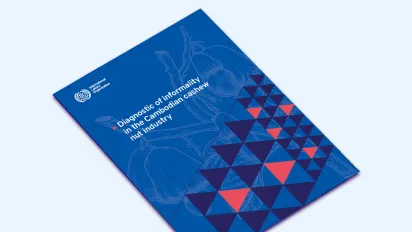
Publications and briefs
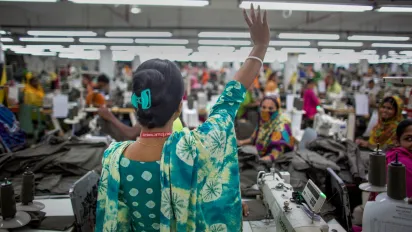
News and articles

Meetings and events
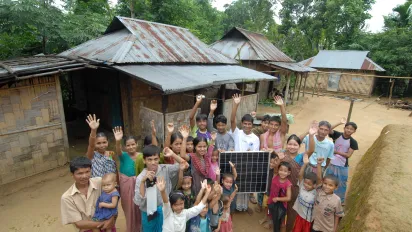
Projects and programmes
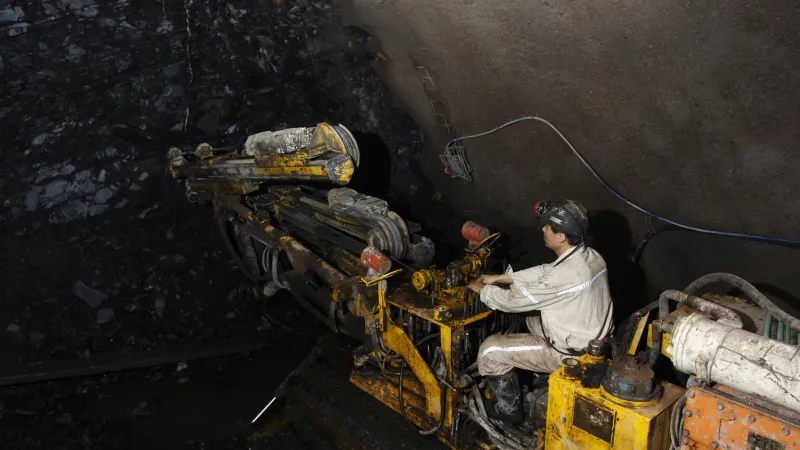
Community of Practice for Just Energy Transition in Asia (JET CoP)
The CoP for Just Energy Transition in Asia is a regional platform that fosters peer learning, collaboration and policy innovation to support a fair and inclusive energy transition away from coal.