

WSSD2 Brief
Universal social protection: A precondition for accelerating social development
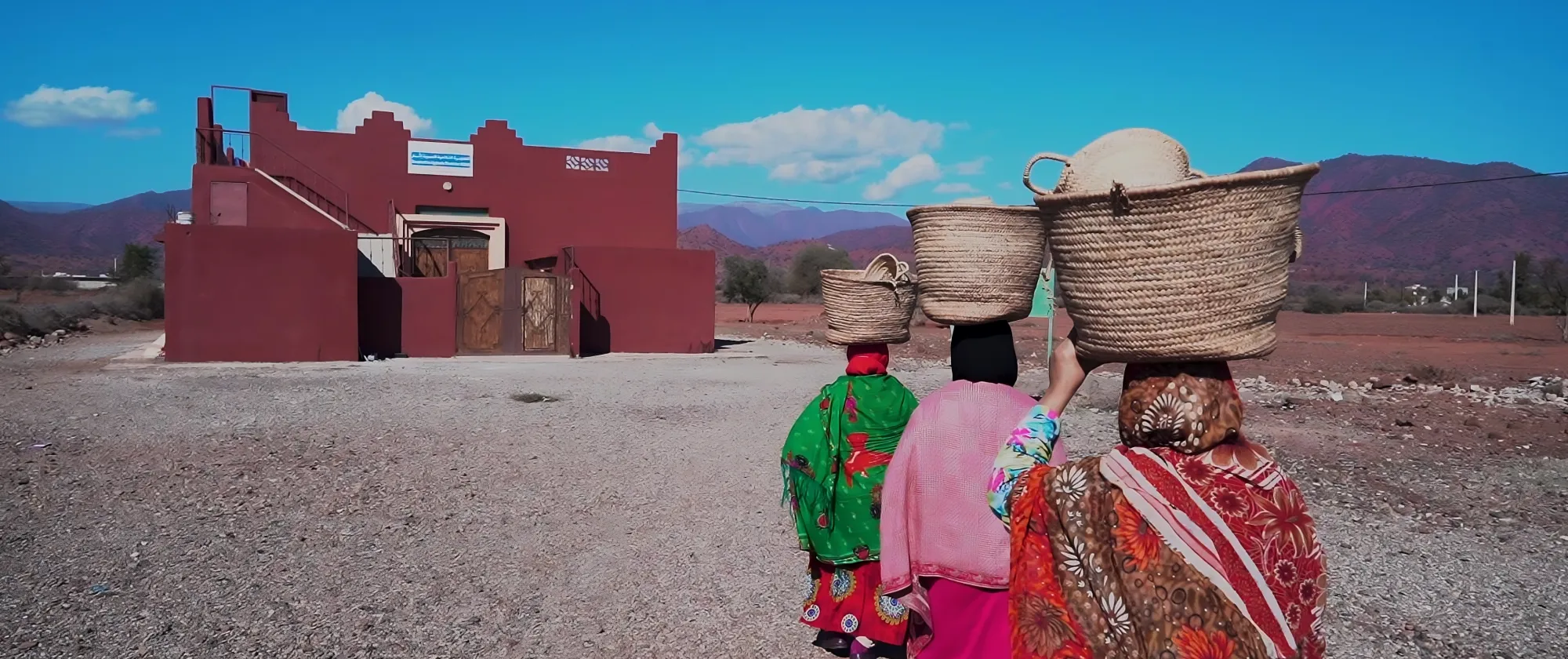
This policy brief underscores the critical role of universal social protection as a prerequisite for advancing social development and achieving the Sustainable Development Goals (SDGs). It highlights coverage gaps, the need for increased investment, and the importance of social protection in addressing poverty, inequality, employment challenges, and global crises.
© UN DESA
Key considerations for WSSD2:
- Universal social protection is a precondition for social development. It serves as a catalyst for accelerating progress towards the Sustainable Development Goals (SDGs). It plays a crucial role in eradicating poverty, promoting full and productive employment and decent work for all, and fostering social inclusion, which are vital for stable and just societies.
- Almost half of the global population still lacks access to social protection. Despite laudable progress, only 52.4 per cent of the world’s population is effectively covered by at least one social protection cash benefit, leaving 3.8 billion people without any social protection. If global coverage continues to increase at the same pace as between 2015 and 2023, only 59.8 per cent of the global population will be covered by at least one social protection benefit in 2030. This will still leave more than three billion people without any protection, failing the promise of the SDGs (target 1.3). Especially concerning are the significant protection gaps in countries vulnerable to the climate crisis and those with insufficient economic and fiscal capacities.
- There is an urgent need to accelerate progress towards universal social protection. Ensuring access to adequate social protection throughout people’s lives is a human right. By reinforcing their social protection systems – including a solid social protection floor – countries can advance social development and social justice, and renew their social contracts. This shift from merely alleviating poverty to preventing it is essential for social cohesion and development. Ensuring robust and adaptable social protection systems is also critical to enable just transitions to a green economy and to increase resilience in the face of multiple crises.
- Achieving the goal of universal social protection set out in SDG target 1.3 requires sustained investments in well-designed social protection systems, supported by international cooperation. This includes creating fiscal space and ensuring a broad tax base with progressive taxation and social security contributions. Aiming to increase social protection coverage by at least 2 percentage points per year is necessary for more countries to meet SDG target 1.3 by 2030, and to unlock the benefits of universal social protection. International cooperation is essential for supporting the most vulnerable countries in building their social protection systems, including floors. This is even more urgent in the context of a rising debt burden that is crowding out fiscal space for social investments.
Additional details
References
- DOI: doi.org/10.54394/HANM3784