Advancing social justice, promoting decent work
ILO is a specialized agency of the United Nations
English
Case study
Recognition of prior learning (RPL) for migrant workers in Asia: Bangladesh
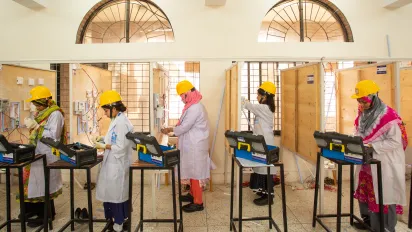
In recent years, Bangladesh has made good progress in successfully establishing and implementing a Recognition of Prior Learning (RPL) system. There are 411 RPL centres in the country and these facilities have provided certificates to 41,560 workers, including 15,000 migrant workers. However, only a limited number of migrant workers are certified for their existing or newly acquired skills in Bangladesh or in the Country Of Destination.
The Ministry of Expatriate Welfare and Overseas Employment (MOEWOE) has shown a keen interest in strengthening and expanding its RPL services for economic reintegration and remigration of skilled workers in the country, as well as in the COD.
In this context, the ILO and the MOEWOE organized a webinar on 31st August, 2020, to promote Recognition of Prior Learning (RPL) for Migrant Workers in Asia and to share regional best practices and strengthen the skills recognition system in Bangladesh and in destination countries.
This report summarizes a range of good RPL ‘country practices’, analyses their relevance to the Bangladesh context, and then provides suggestions on how to expand RPL services for migrant workers in Bangladesh.