

Transition to the formal economy
Informality in the tourism sector in the Eastern Caribbean
This study examines the drivers and characteristics of informality in the tourism sector in five Eastern Caribbean countries and identifies pathways to advance productivity, decent work and the transition to formality.
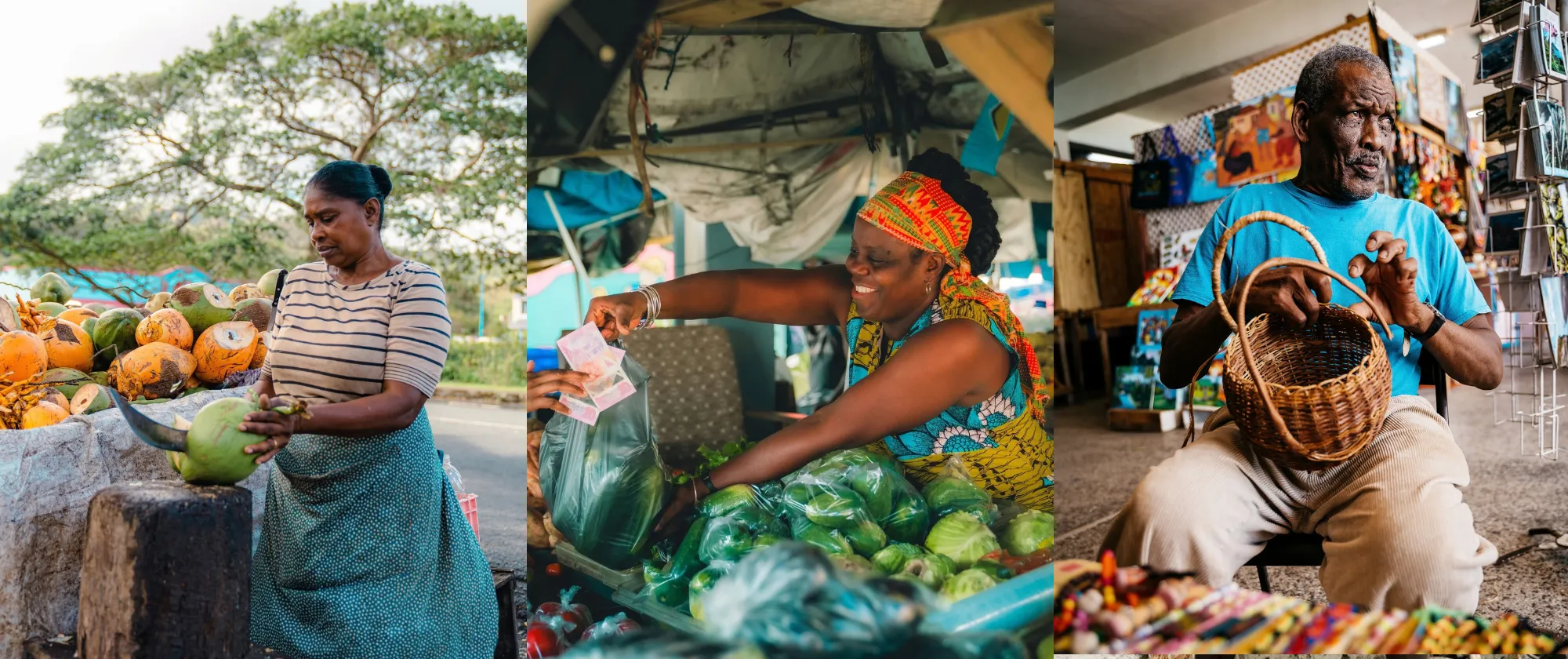
Tourism is a major source of economic activity and employment in the Eastern Caribbean, yet persistent informality and decent work deficits limit its potential to deliver more inclusive and sustainable development. This study examines informality in the tourism sector in Antigua and Barbuda, Barbados, Dominica, Grenada and Saint Lucia, identifying common challenges as well as differences across national contexts.
The analysis highlights a combination of mutually reinforcing factors, including low productivity among many micro, small and medium-sized enterprises (MSMEs), limited access to finance, regulatory and institutional fragmentation, skills gaps, insufficient social protection, strong seasonality and climate vulnerability. It also examines how these factors affect workers and enterprises and shape opportunities for formalization.
Based on this diagnosis, the study proposes nine pathways for promoting decent work and formalization, organized around the priority areas of the ILO’s Strategy for the Promotion of Formalization in Latin America and the Caribbean (FORLAC 2.0). The pathways address productive development, employment and skills, social protection and labour rights, alongside cross-cutting action on social dialogue, gender-responsive policies, data collection and regional collaboration.
Additional details
References
- DOI: https://doi.org/10.54394/00034792
- ISBN Print: 9789220437568
- ISBN Web PDF: 9789220437575
Related content

Transition to the formal economy
Eastern Caribbean tourism can drive productivity, decent work and formalization

Strategy for the Promotion of Formalization in Latin America and the Caribbean (2024-2030)