

Domestic Workers
ILO Stakeholders Meeting: Charting perfect course towards improved domestic work conditions
Tanzania (ILO News) Morogoro. As social inequalities continue to take different shapes every single day, International Labour Organisation (ILO) revolted against the alarming vicious trend by holding a task force meeting on domestic workers’ pressing issues in Morogoro Region.
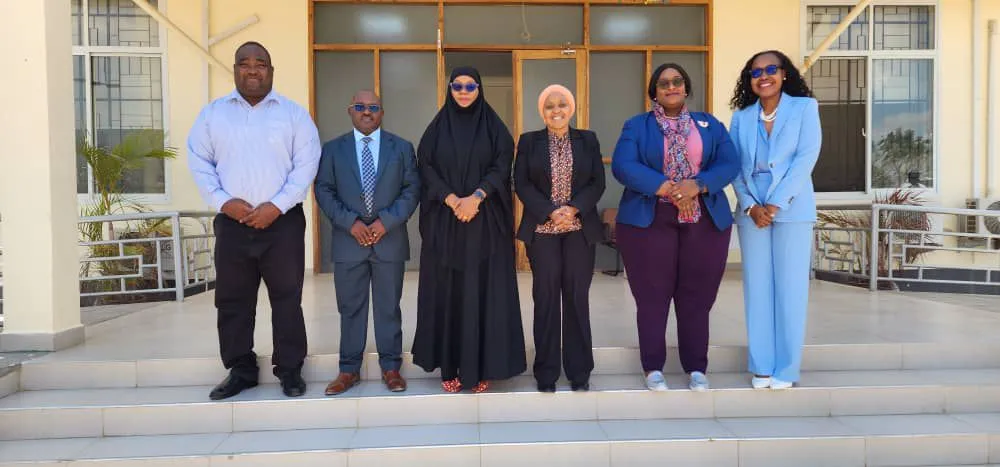
The event was preceded by the ILO’s visit to the Deputy Permanent Secretary for Labour, Youth, Employment and Persons with Disability, Ms Zuhura Yunus and Labour Commissioner, Ms Suzan Mkangwa in Dodoma Capital two weeks ago. All was to inform her of the project and ask task force to be the part of the project’s rollout plan.
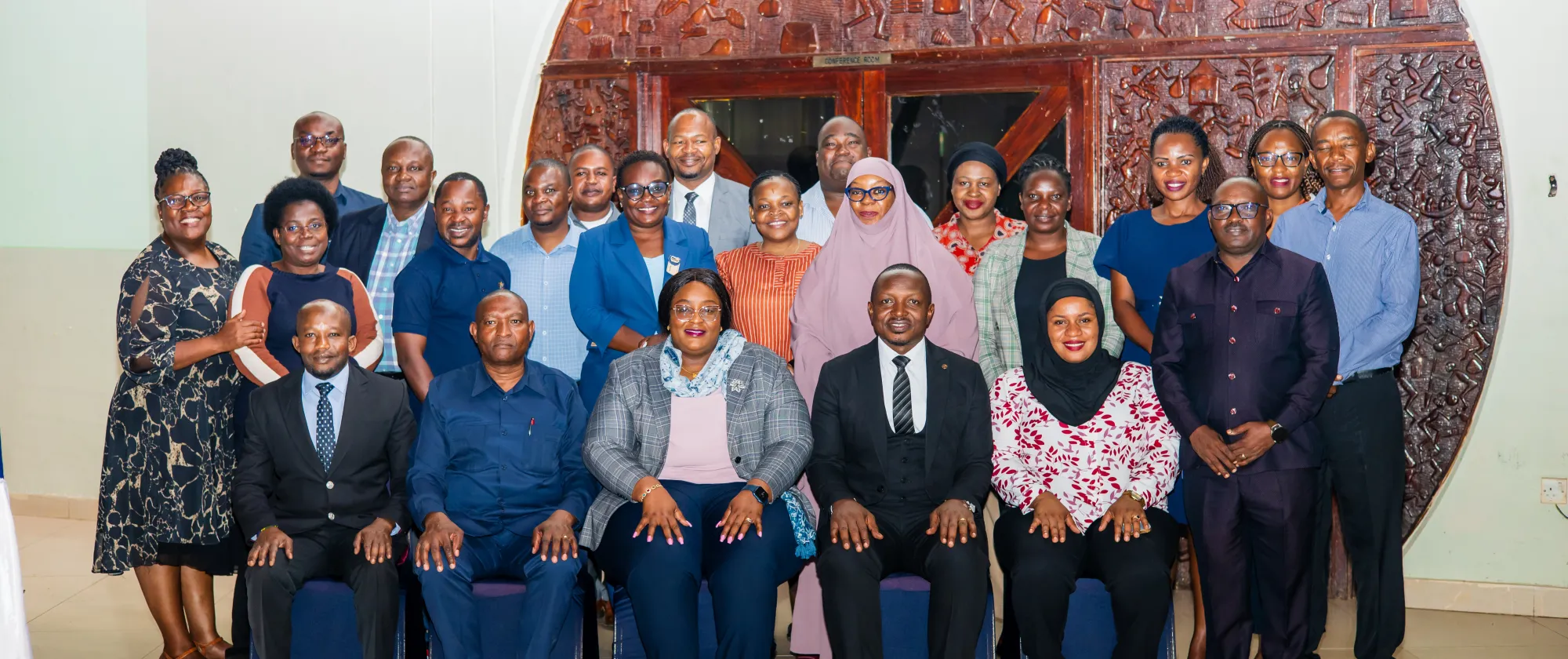
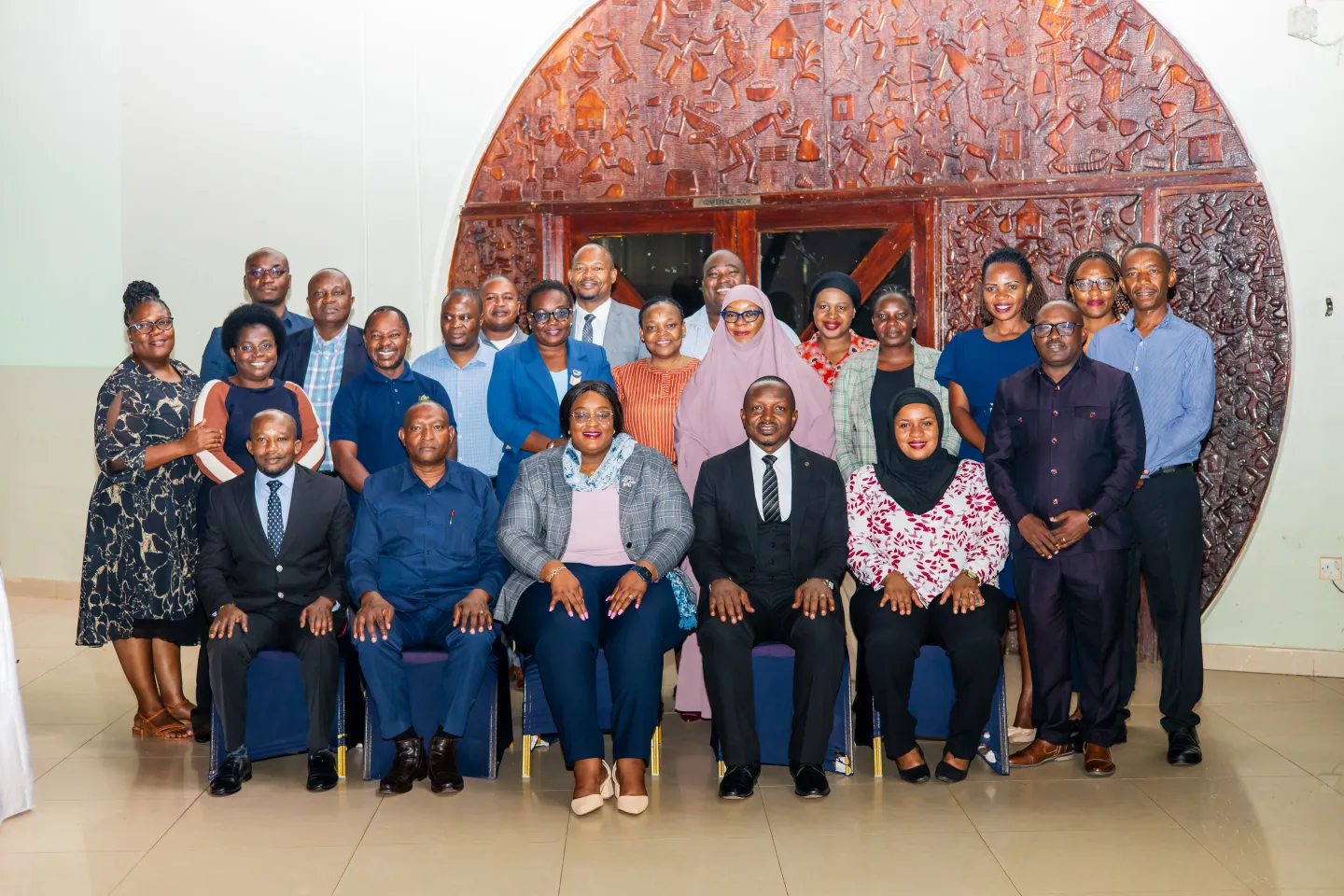
One week later, the task forces from different docket met to share a train of thoughts needed to table strategic plans of the RBSA domestic workers project and overall care economy. Renowned actors such as TUCTA, ATE, PMO-LYED, CMA, CHODAHU, TAMISEMI, UN-Women and VETA were engaged.
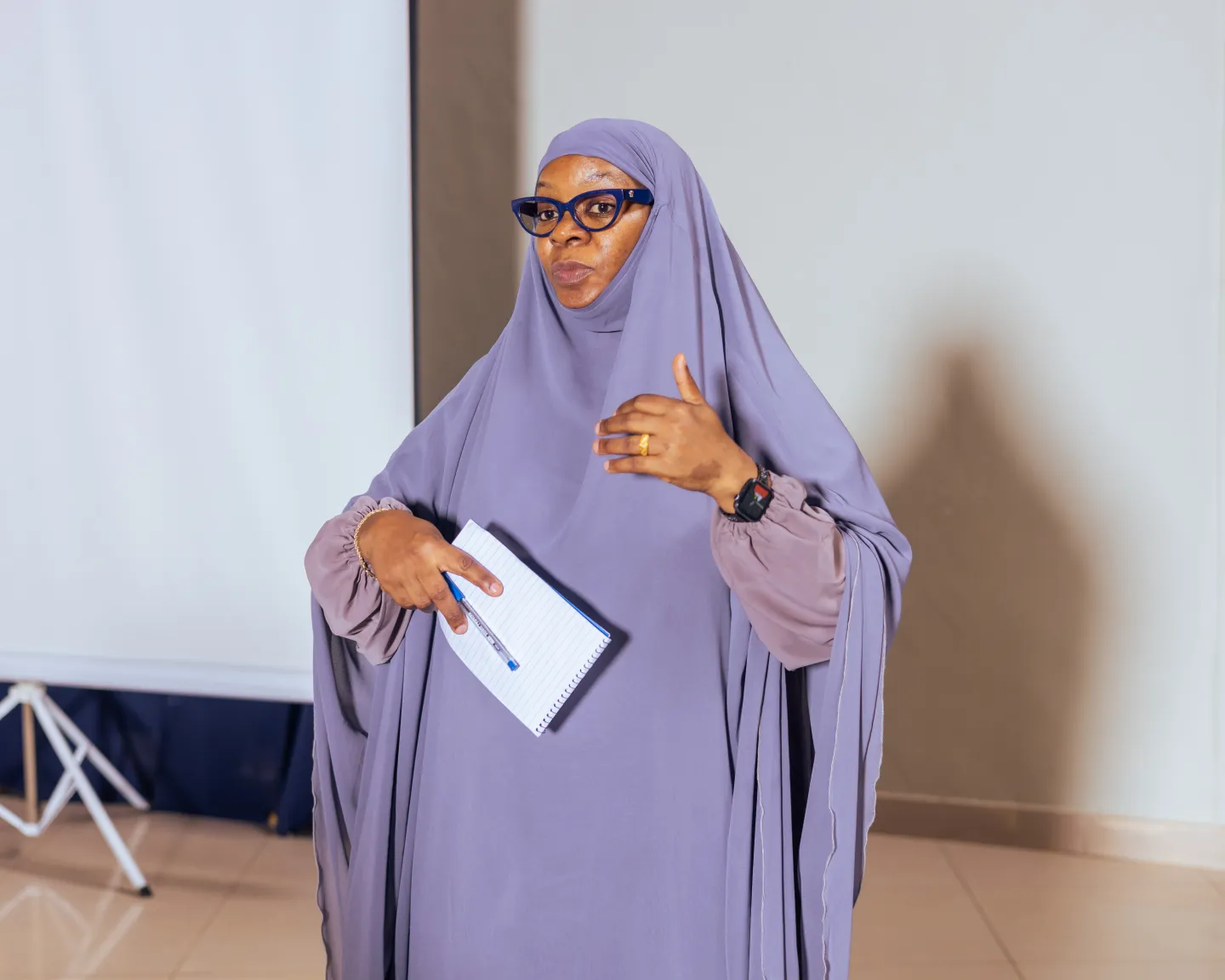
Chiku Semfuko, National Project Officer, ILO expounded on the project. She said that the initiative seeks to strengthen policies, improve rights, and promote social dialogue for domestic workers with a focus being on gender equality, inclusion, and formalization. The project, spanning 20 months from July 2024 to February 2026, aligns with Tanzania's national goals, policies, policies, strategies and international sustainable development targets.
It significantly targets Dar es Salaam and Dodoma as critical pilot regions with beneficiaries being domestic workers and household employers. It is valued at USD 500,000 and expects to kick off this October 2024, she notified.
For the ILO Geneva Representative, among other things, she stated that the domestic work is an integral part of the care economy but to make strides we should comply with the Convention No. 189 while improving their working conditions, training labour officers on compliance and devising proper dispute mechanisms for domestic workers.
Sentiments from a Coordinator of the National Action Plan (Violence Against Women and Children – II), a policy framework under the Ministry for Community Development, Gender, Women and Special Groups, endorsed the GEF program as an ideal instrument for availing domestic workers to blossom in the world of work, the NPA is going to address unpaid care work, promote decent work conditions, support care work infrastructure.
Going forward, the common objective should stretch to developing a specific roadmap to implement priorities of policy improvement on unpaid and domestic work, awareness campaign on the matter as well as develop research and studies.
Ms Asteria, Director of the Conservation, Hotels, Social Services and Consultancy Workers Union (Chodawu) said during her presentation that the care work sub-sector is legally stipulated into the Tanzania’s Employment and Labour Relations Act (Cap 2) with their salary scales classified.
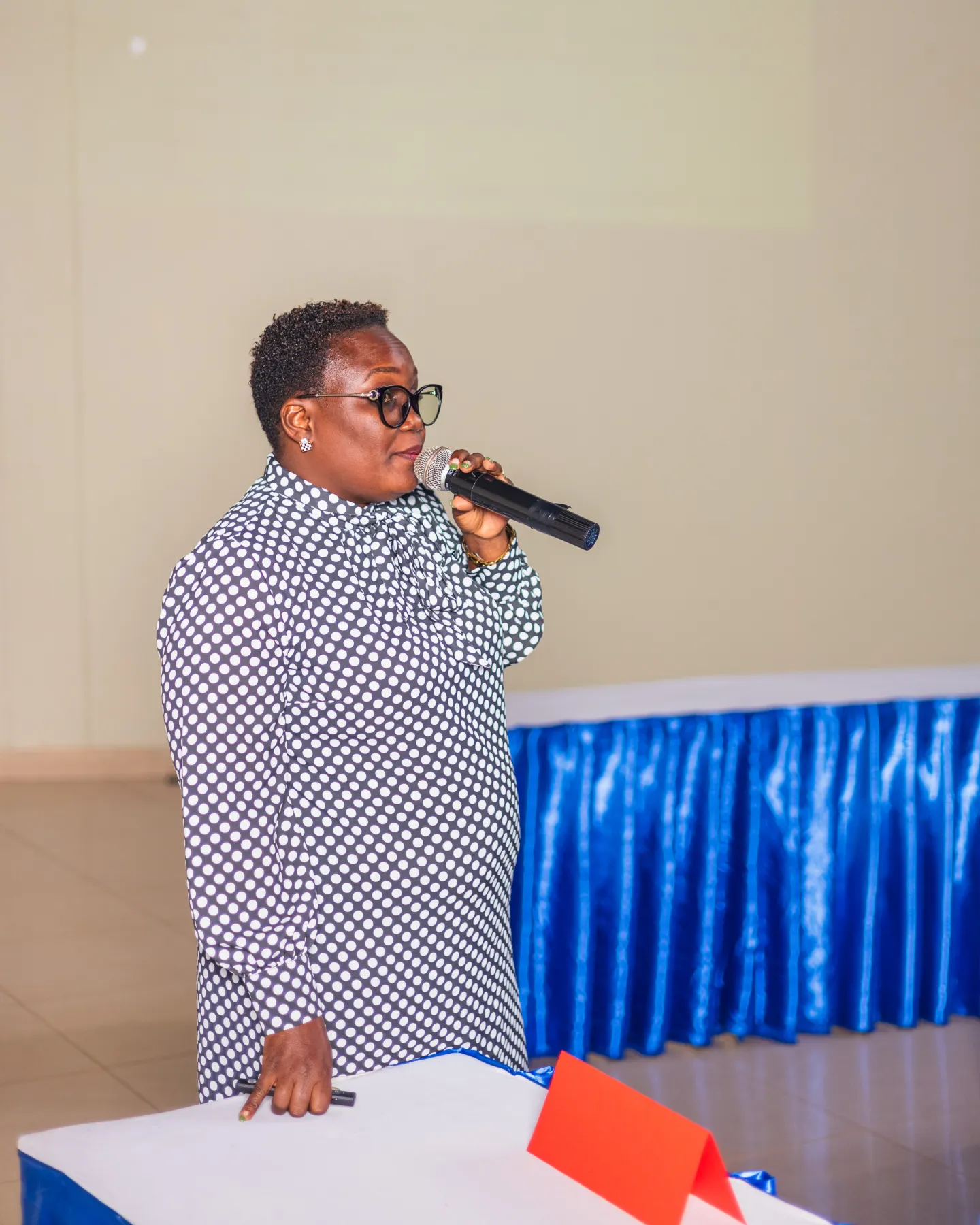
Despite such recognition, laws enforcement around the subsector faces some serious challenges, leading to more injustices to domestic workers across the country.
“These workers usually work long hours, are secluded from social security schemes by their employers, are lowly paid or unpaid or paid in gifts, Gender-Based Violence (GBV) or sexual abuse, child labour, unpaid leave or lack of access to leave, uncontracted labour and lack of days-off.”
One of the key highlights from her utterance was the fact that the Chodawu, the domestic workers’ advocacy organ, started to conduct different capacity building training in collaboration with the Government to care workers in an effort to help cultivate self-esteem and negotiation skills needed to lift their welfare at workplaces, which is a key takeaway for the coveted project.
Ms Asteria envisions to recruit more decent and high esteem domestic workers who are also protected by the laws in a few years to come. ” We are looking to polish these domestic workers through VETA programs.”
A VETA expert, during her presentation, structured his arguments on curricula used by the college for domestic workers where he explained that the curricula are Food Production, Life Skills and Rewarding Children and Elderly and Elderly Care, which resonate with domestic work project deliverables.
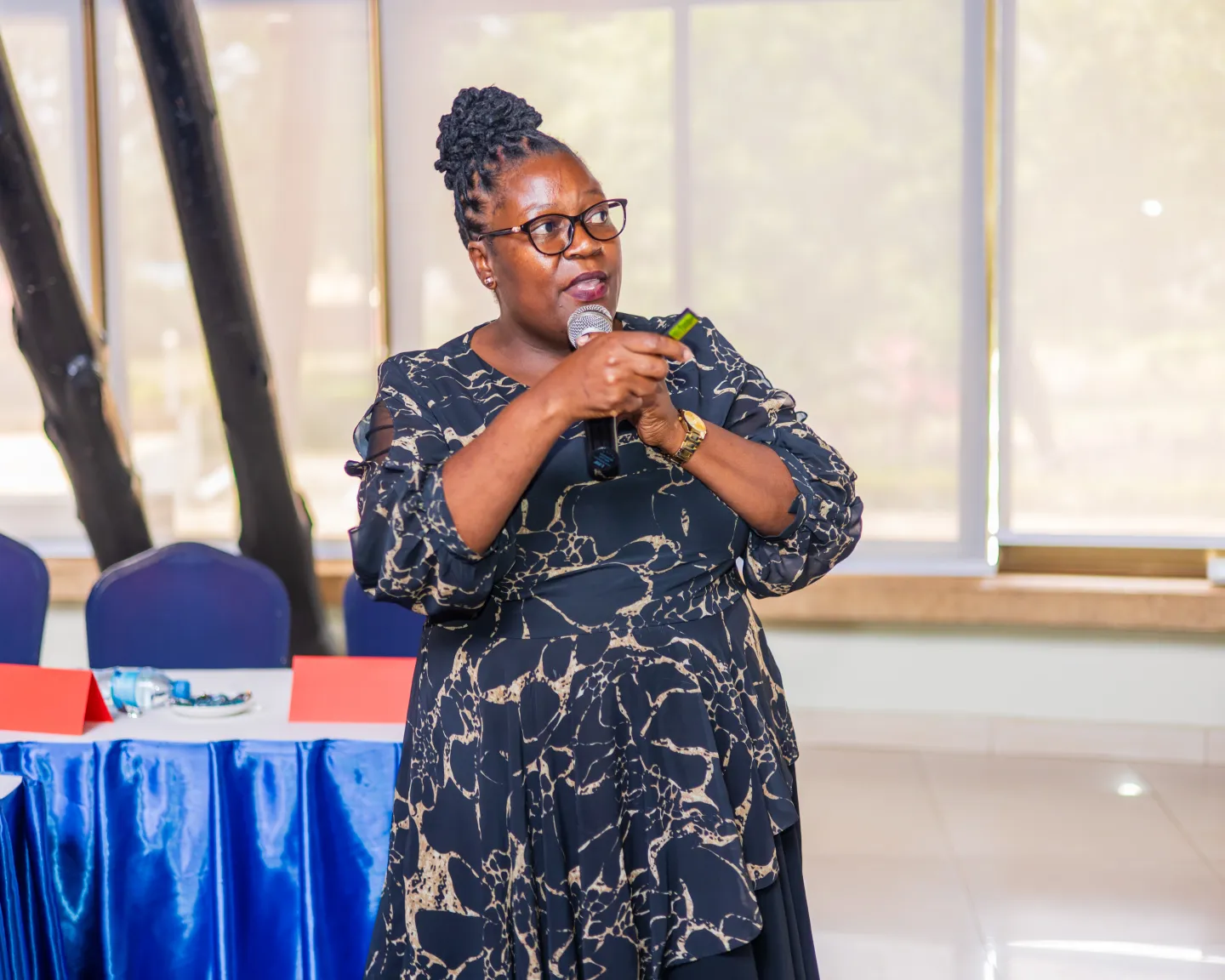
The CMA representative briefed on the existing laws and regulations related to domestic workers. As he progressed with the presentation, he explained about labour courts and the duties of labour officers on domestic workers while delving into powerful examples of some of the proceedings/cases handed down in various courts from within and outside the country involving domestic workers against their employers.

For the TAESA facilitator, the focus was on domestic workers training curriculum, the successes and challenges they encountered in the process of providing the training, he didn’t have much to implore.
Chief Officer at Gender and Child Protection (GCD) - Police Headquarters, Dodoma, ACP Faidha Suleiman, stated during her presentation that despite having recorded notable achievements with the gender desks, they are fully aware that domestic work encounters serious atrocious incidents but are lowly reported.
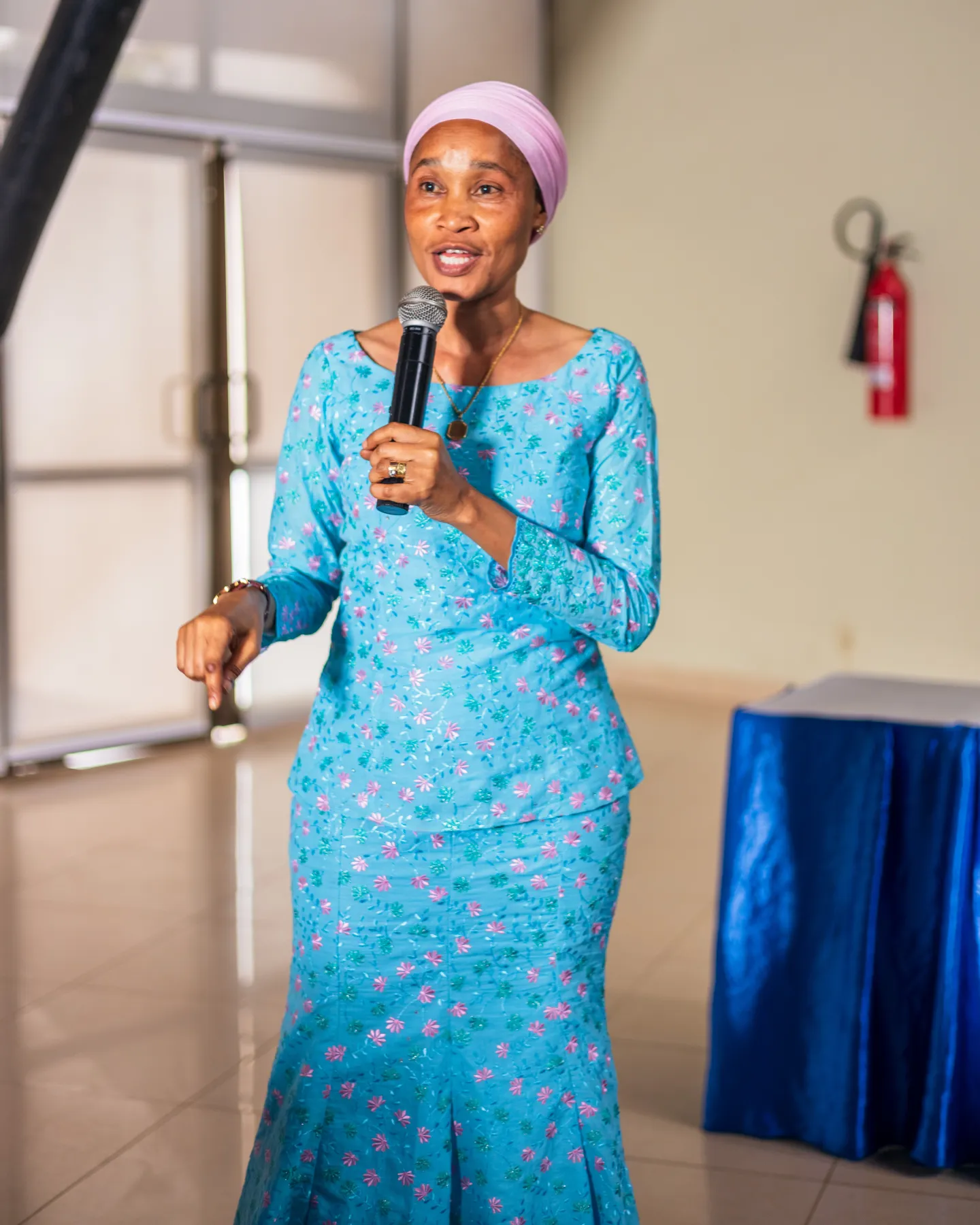
“We are really proud that violence against children’s cases have gone down from 14, 491 (women 9,368, men 5,123) in 2018 to 12,163 (women 9,962, men 2,201) in 2022,” the ACP Faidha stated while adding: “The graph look the same with the case of adults who are subjects of the malice, they have been reduced.”
The GCD vows to continue train senior police officers to be able to properly resolve GBV and VAWC cases and provide appropriate support, renovate the GCDs facilities and execute the National Action Plan (NAP) to end violence against women and children in Tanzania 2022/23 – 2026/27.
Related content
Domestic Workers
RBSA funded Intervention - Improving the recognition and working conditions of Domestic Workers as Care Workers in Tanzania
Relevant projects
Domestic Workers
RBSA funded Intervention - Improving the recognition and working conditions of Domestic Workers as Care Workers in Tanzania