

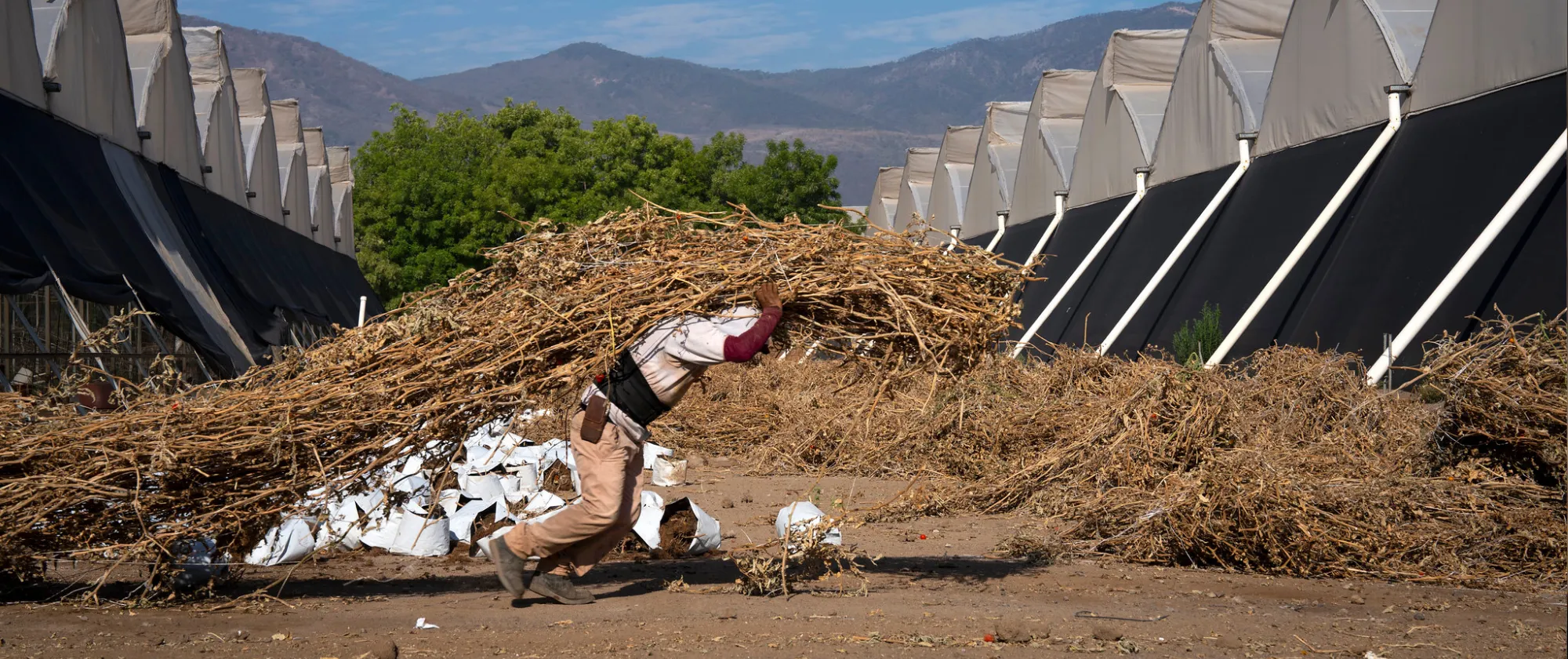
Policy Brief
El Niño 2026–2027 and the world of work in Latin America and the Caribbean: a causal chain from climate to employment and labour institutions
Analysis of the potential effects of El Niño 2026–2027 on the world of work in Latin America and the Caribbean, focusing on the sectors, territories and groups of workers most exposed, as well as labour, social protection and climate adaptation policies that can help mitigate its impacts.
-
 Fabio BertranouDeputy Regional Director of the ILO for Latin America and the Caribbean
Abstract
This policy brief examines the potential effects of El Niño 2026–2027 on employment, incomes and working conditions in Latin America and the Caribbean. It identifies the sectors, territories and groups of workers most exposed to droughts, extreme rainfall, flooding and heatwaves, and considers related risks to food security, occupational safety and health, and child labour.
The brief emphasizes that these impacts are not predetermined and outlines short-, medium- and long-term policy responses to mitigate labour market impacts and protect exposed workers and communities. These include social protection, social dialogue, labour inspection and public employment services, as well as measures to strengthen institutional resilience, climate change adaptation and preparedness for extreme weather events.

Additional details
Author(s)
- Fabio Bertranou
References
Related content
Climate change
El Niño threatens jobs and incomes for many workers in Latin America and the Caribbean, ILO warns