


ILO Brief
Building better labour markets: A service-based approach to agricultural recruitment in Lebanon
Widespread informality and poor working conditions define Lebanon's agricultural labour market; this brief examines a pilot model that worked through an existing commercial service company to introduce more structured, transparent and fair recruitment practices.
Lebanon's agricultural sector employs a significant share of both Lebanese and Syrian workers, yet it remains characterised by widespread decent work deficits. Workers - predominantly Syrian refugees - frequently face low wages, hazardous conditions, and a near-total absence of formal contracts. Farmers, meanwhile, struggle to secure reliable, skilled labour for time-sensitive operations, relying heavily on informal intermediaries that offer little transparency or quality assurance.
This ILO brief documents a pilot that tested a different approach: working through PlantLab, one of Lebanon's few formal agricultural service companies, to embed structured labour recruitment and workforce development within an existing commercial service model. This intervention strengthened PlantLab's capacity to offer farmers an integrated package - combining a trained, deployable workforce with technical farm management services covering pest management and harvest coordination. The pilot reached 25 farms across four governorates, engaging 348 workers who received technical skills training and occupational safety and health coaching.
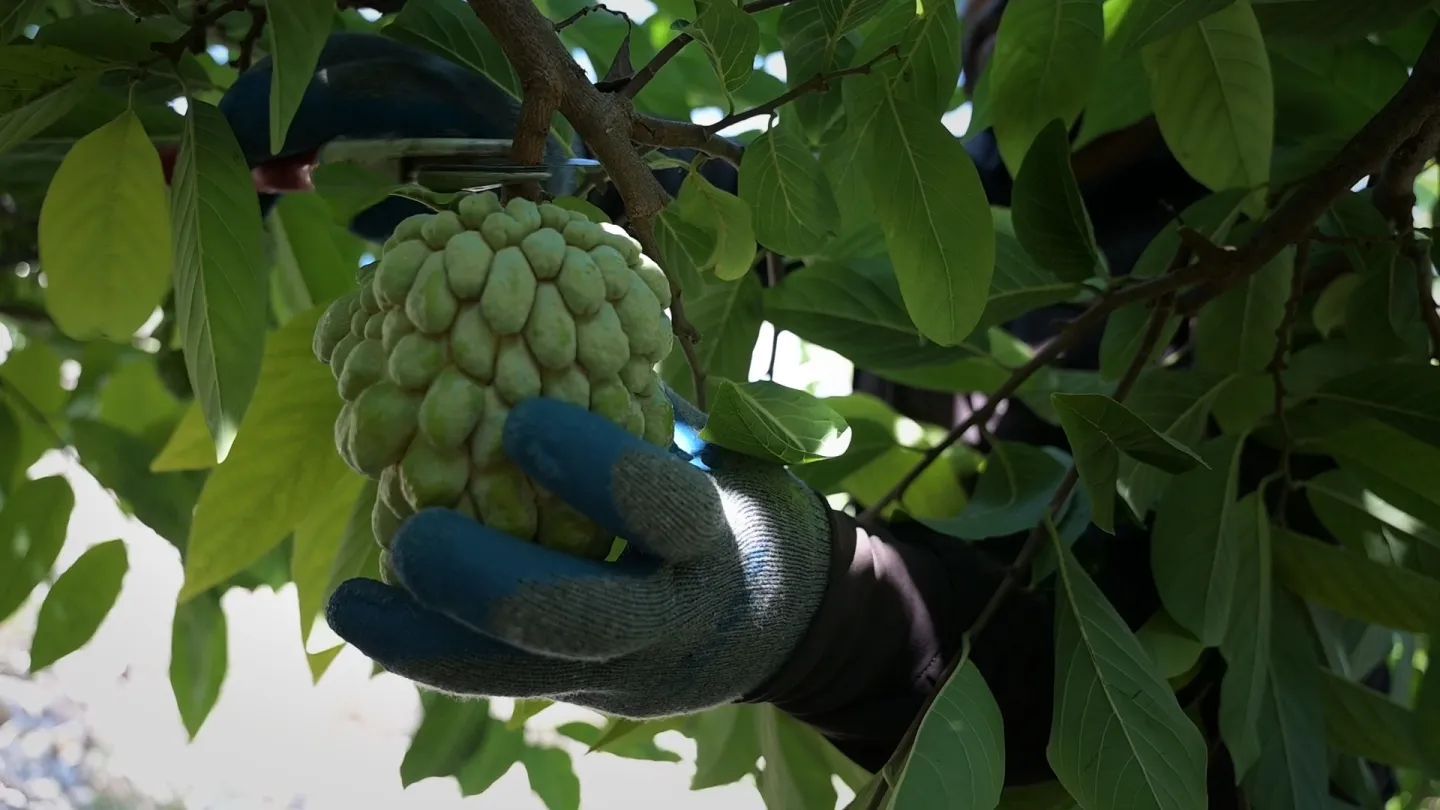
The results point to meaningful gains on both sides of the labour market. Workers in the model earned 48% higher daily wages than those in informal arrangements and benefited from more stable employment and improved conditions. Farmers reported stronger performance and better labour management practices, with 96% expressing interest in continuing with the model and 88% indicating willingness to pay - confirming commercial viability beyond project support.
The evidence generated on worker outcomes, farmer demand, and sustainability provides a practical foundation for continued investment in more structured, transparent and fair recruitment across Lebanon's agricultural sector.
Additional details
References
Related content

Country Portal
Lebanon
Project
Building Inclusive Markets and Decent Work for Syrian Refugees and Lebanese Host Communities (BOUZOUR)
Relevant projects
Project
Building Inclusive Markets and Decent Work for Syrian Refugees and Lebanese Host Communities (BOUZOUR)