

Project
JustJordan – Putting the People Back in Planet and Prosperity
Duration
31 July 2024 - 30 July 2026
Development partner(s)
Core Voluntary Funds (RBSA)
Reference
JOR/24/01/RBS
Location
Jordan
Contact
Jawad Dukhgan, National Project Coordinator, [email protected];
Overview
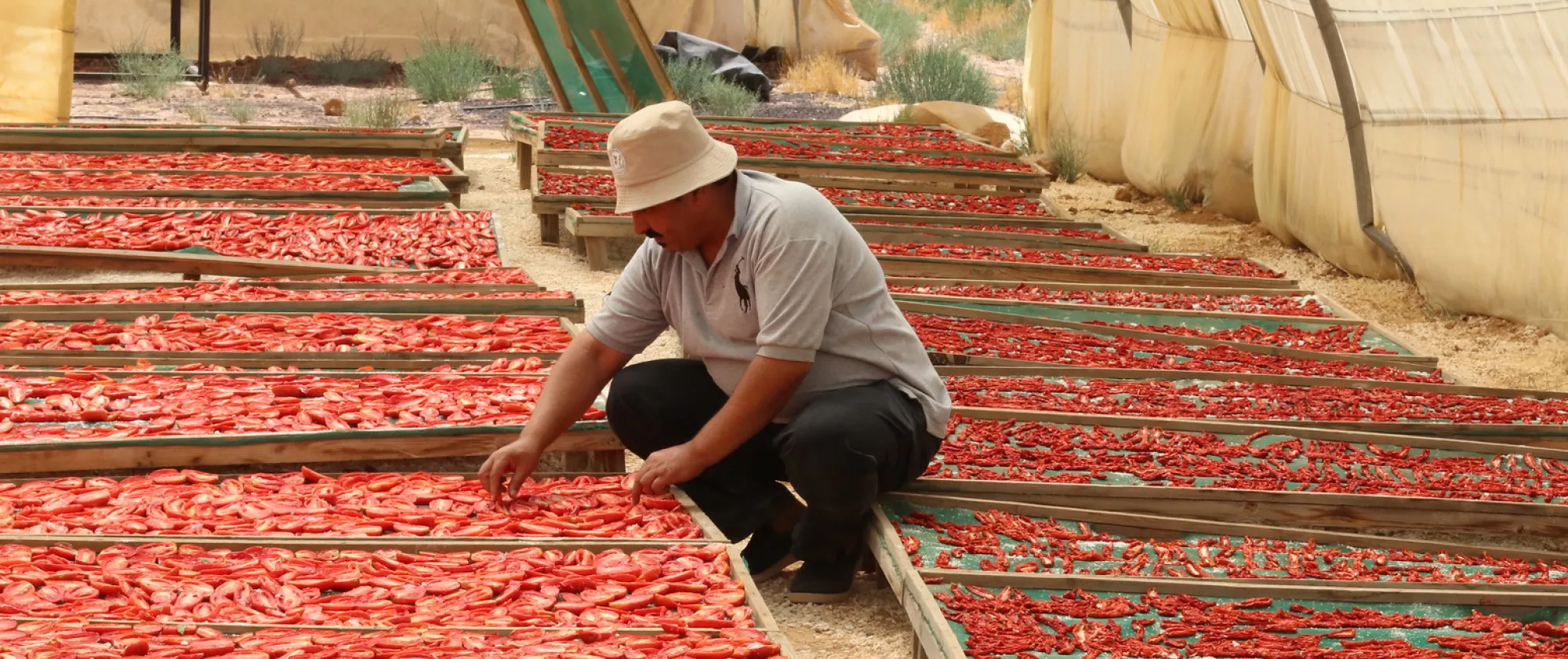
Climate change impacts people’s jobs and livelihoods, but so does climate policies. The JustJordan project aims to support a climate policy process that benefit the planet and people. Starting in 2024, the JustJordan project will support the policy makers, workers’ and employers’ organisations to advance Jordan’s transition to a green economy by integrating decent work principles into climate and environmental policies, particularly the country’s Nationally Determined Contributions (NDCs). Focusing on the garment and food manufacturing sectors, the project bridges policy recommendations with actionable interventions, fostering sustainability and creating equitable economic opportunities.
The project’s key activities include organizing NDC roundtables, formulating policy recommendations informed by previous green jobs assessment reports, conducting training programs on resource efficiency, implementing apprenticeship initiatives, introducing circular economy practices, and connecting women entrepreneurs to green economy opportunities. To ensure an inclusive and collaborative approach, the involvement of social partners and the ILO constituents fosters a strong multi-stakeholder framework for achieving sustainable and inclusive growth.
The project targets 100 direct beneficiaries, including workers, entrepreneurs, and social partners, and indirectly impacts 1,500–2,000 individuals across value chains, with activities focused on Amman, Irbid, and nearby industrial zones. The project is designed to integrate decent work considerations into Jordan’s climate and economic strategies, enhance SME resilience, generate green job opportunities, and foster greater participation of women and youth in the green economy, positioning Jordan as a leader in aligning climate goals with inclusive economic development.
Objectives
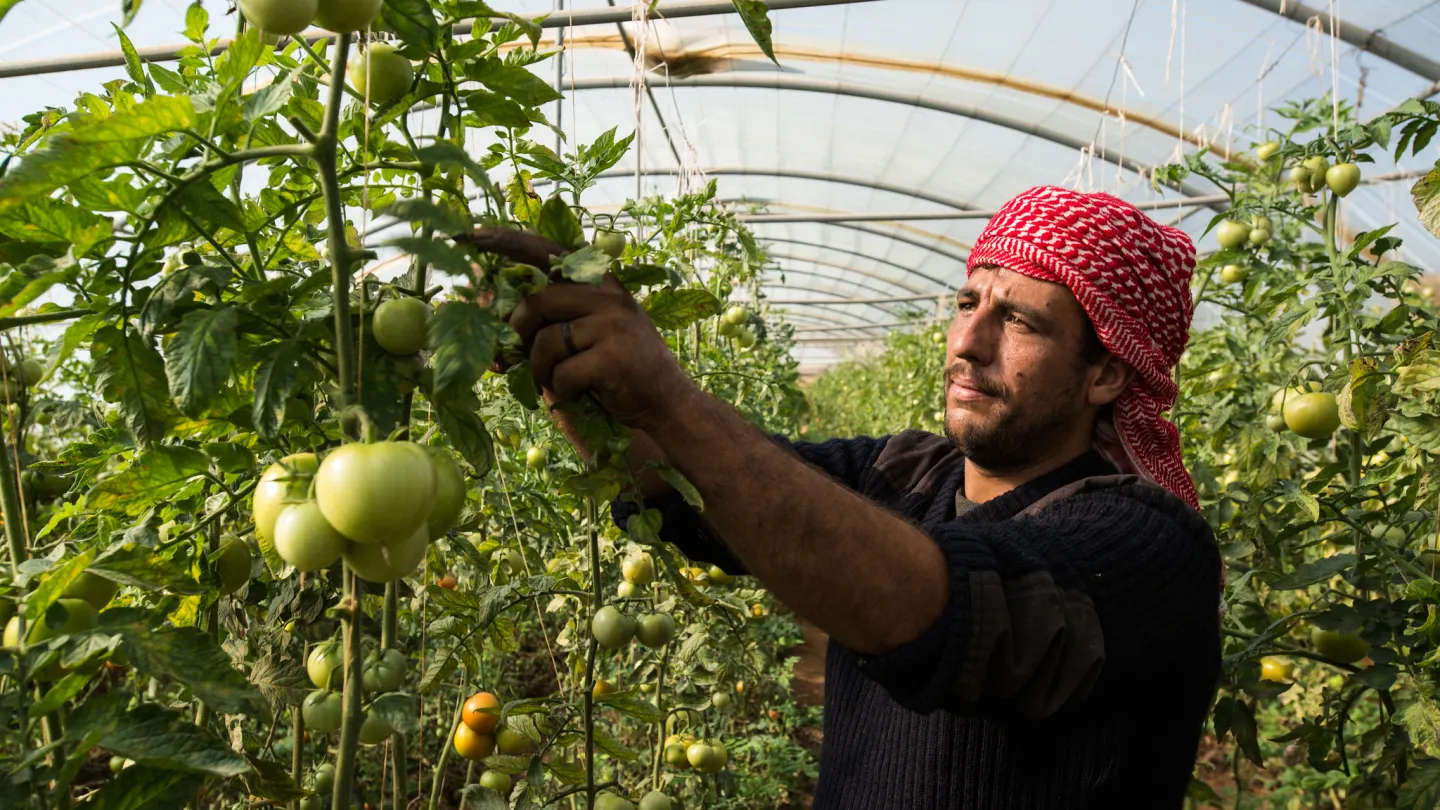
The JustJordan project aims to integrate decent work principles into Jordan’s Nationally Determined Contributions (NDCs) by addressing capacity, technology, and financial barriers, while promoting green job creation in high-potential sectors like garment and food manufacturing. By supporting SMEs in adopting resource efficiency and circular economy practices, the project aims to enhance their resilience to low-carbon regulations. It will also foster social and gender inclusion by empowering women entrepreneurs, youth graduates, and marginalized groups to participate in the green economy. Through focused capacity-building programs for workers, social partners, and SMEs, combined with multi-stakeholder policy dialogues, the project will work towards aligning national climate goals with economic modernization and employment strategies.
Outcomes

- Policy Integration: Decent work principles integrated into climate and environmental policies, with just transition priorities adopted in the NDCs.
- Green Job Implementation: Policy recommendations from the Green Jobs Assessment implemented in sectors with high green employment potential, such as garment and food manufacturing.
- Resource Efficiency and Innovation: SMEs adopt resource-efficient and circular economy practices, with green economy apprenticeship programs fostering innovation.
- Capacity Building and Engagement: Key stakeholders, including social partners and policymakers, upskilled on green transitions and resource efficiency practices.
- Social Inclusion: Increased participation of women and youth in sustainable and circular economy initiatives through targeted programs and apprenticeships.
- Enhanced Collaboration: Strengthened partnerships among ministries, private sector actors, and social partners to support green growth and just transition goals.
Activities
Related content

Green Jobs and Just Transition in the Arab States

Region portal
Arab States

Country Portal
Jordan