

Enhancing labour rights in the informal economy in Nepal (ELRIE)
The project aims at improving freedom of association and access to labor and social protection rights in Nepal.
Duration
27 September 2023 - 29 September 2024
Development partner(s)
US Department of State
Reference
NPL/23/01/USA
Location
Kathmandu
Background
In Nepal, workers in the informal economy where most women are employed, face significant challenges. They have limited access to information, services, and a collective voice necessary to secure their full labour and social security rights. Additionally, labour market institutions in Nepal lack the governance mechanisms, procedures, and capacity to effectively engage, protect, and support these workers, impacting their working conditions, wages, access to social security, and freedom of association.
Given the uncertainties related to informal work, the lack of organization of informal economy workers and that traditional tripartite institutions usually were not designed to reach to the informal economy, the voices of informal workers are not systematically part of dialogues on policies and interventions that affect them – or ultimately exclude them.
The Enhancing Labor Rights in the Informal Economy (ELRIE) project aims to address these issues. The project seeks to empower informal economy workers to better exercise their labour and social protection rights, access gender-sensitive services and protection, participate in bipartite and tripartite dialogue mechanisms, and benefit from strengthened, decentralized labour market institutions that can cater to their needs and priorities.
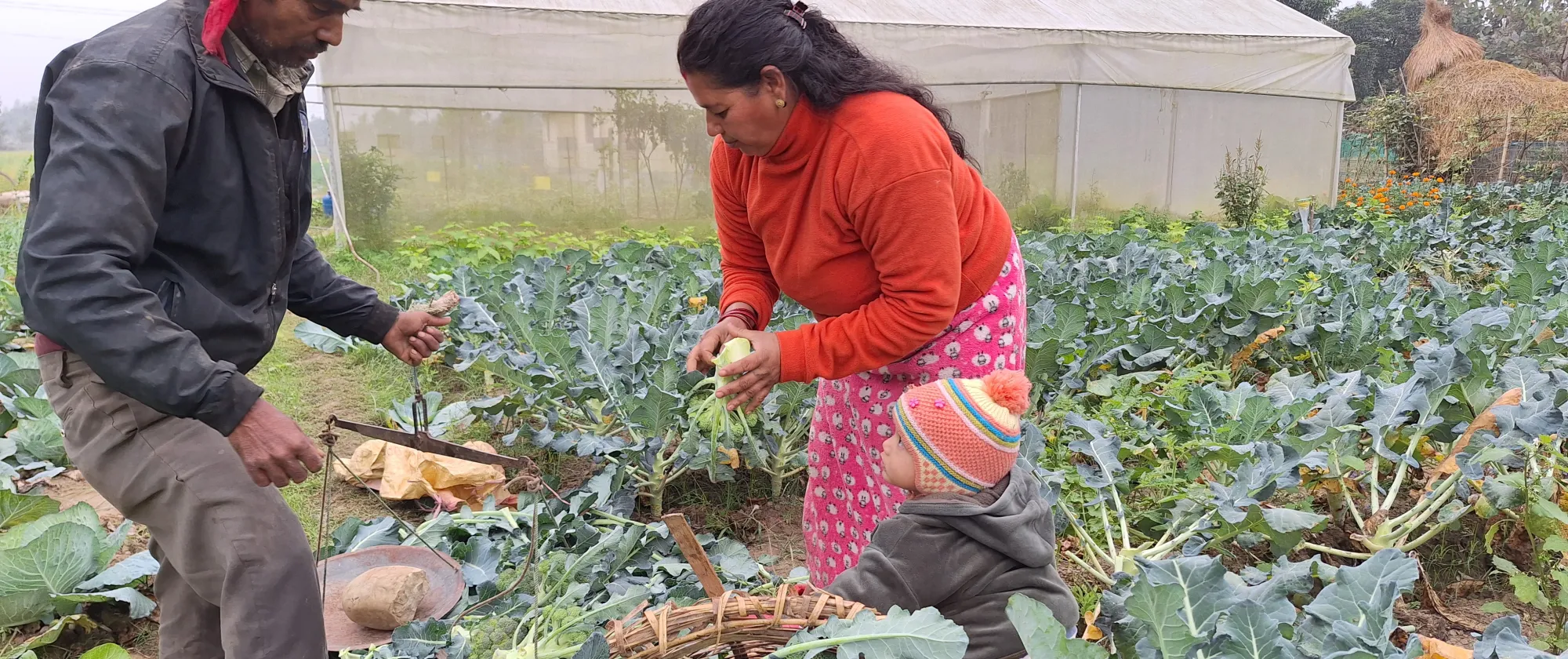
The project targets agriculture, construction, and sanitation sectors in Madhesh Province, partnering with local workers’ organizations and government in 12 selected municipalities.
Objectives
The project aims to ensure that informal economy workers, especially women, can better exercise their labor and social protection rights and benefit from improved access to relevant services and protection. It focuses on three main outcomes.
Outcome 1 seeks to empower workers in the informal economy to exercise their freedom of association effectively, thereby advancing their rights. Key outputs include increasing the capacity of informal workers to organize and advocate for better conditions and wages through gender-sensitive tools and participatory approaches. The project will bolster awareness of fundamental labour rights through campaigns and training, enhance the institutional capacity of existing WOs, and facilitate partnerships with tripartite stakeholders to strengthen formal representation and advocacy on informal workers rights.
Outcome 2 aims to expand informal workers’ access to social security. The project will build the capacity of provincial and local actors to promote enrolment in social security schemes by training them on contribution-based social security, clarifying their roles and supporting financial contributions for workers with limited capacity. Additionally, it will enhance the registration process through streamlined procedures, local registration camps, and comprehensive awareness campaigns to boost worker participation, especially among women.
Outcome 3 aims to strengthen the capacity of the labour inspection system to enforce labour laws protecting informal workers. This involves developing and implementing action plans based on gap analyses, enhancing monitoring tools and supporting local governments and social partners to engage effectively with the labour inspection system. The project will also empower social partners to establish and operate social
dialogue mechanisms at the provincial and municipal levels, ensuring better protection and advocacy for the rights of informal economy workers.

Project updates
Enhancing Labour Rights in the Informal Economy (ELRIE).