

Digital Inclusion and E-formality
Enhancing Digital Inclusion and E-formality among women entrepreneurs in Tanzania
Duration
2 January 2023 - 29 February 2024
Budget
$400,000
Development partner(s)
International Labour Organization Regular Budget Supplementary Account.
Reference
TZA/23/01/RBS
Location
The United Republic of Tanzania
Contact
Project Manager, Rukia Lukanza, [email protected]
More than 6 workers among 10 and 4 enterprises among 5 in the world operate in the informal economy. Contrary to the old forecasts, informality has not diminished over time and is even increasing in many countries. Informal economies are typically characterized by a high incidence of poverty and severe decent work deficits. Without formalization, decent work for all and equity in society will remain an illusion. In 2015, the ILO adopted the Transition from the Informal to the Formal Economy Recommendation. The Recommendation is a powerful tool to advance towards the attainment of SDGs. During the last years, a growing number of countries worldwide have developed strategies and policies to facilitate transition to formality. Social partners are also developing their relations with workers and enterprises in the informal economy.
Based on national definition, employment in the informal sector in Tanzania has increased from 22.0% in 2014 to 29.4% in 2020/21(ILFS), with more women than men exposed to informality. With limited or no social and labour protections, working in the informal economy increases their vulnerability to social, economic, and environmental shocks.
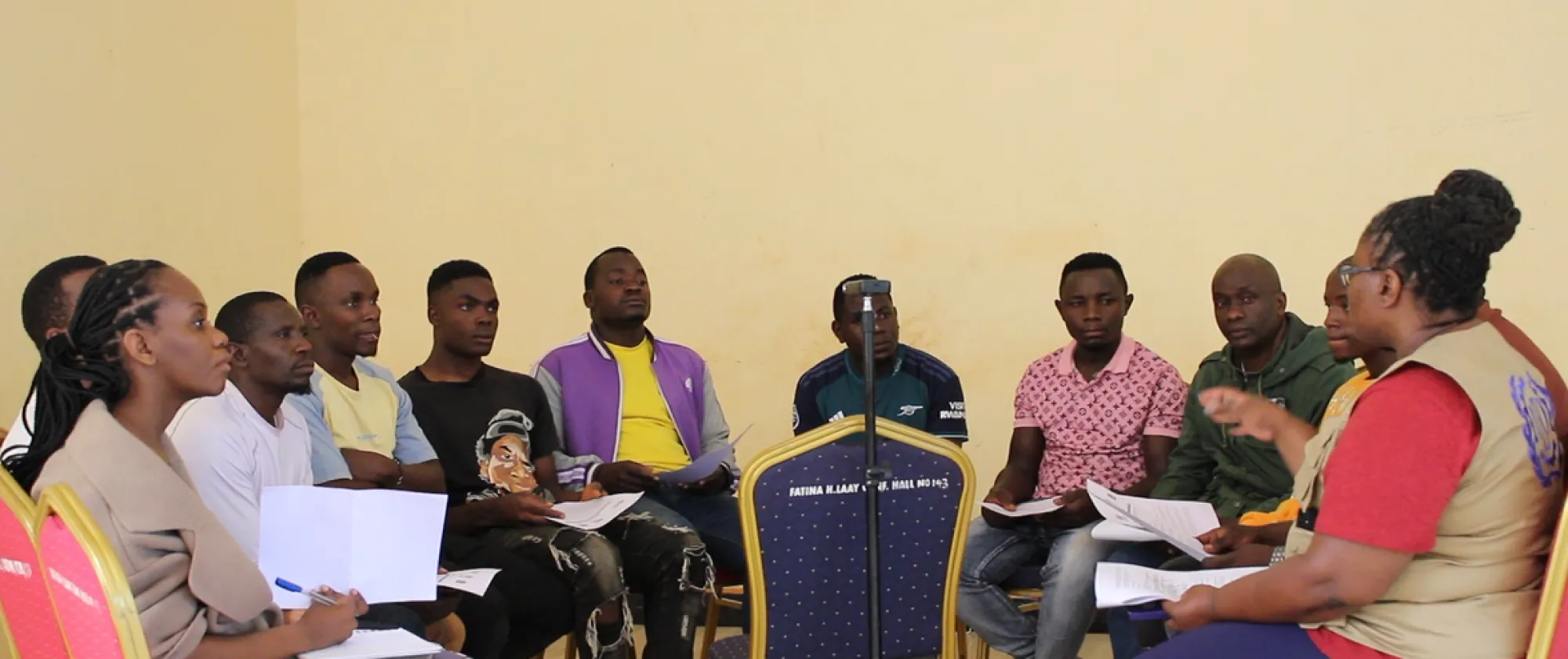
This project explores the extent to which Tanzania can take advantage of digital transformation processes to facilitate transition to formality particularly by combining it with extension to social protection. It is based on the recognition that technology-based innovations in the informal economy e.g., using mobile phones to send or receive money, to transact or to save money can enhance productivity and working conditions, create new opportunities for gradual formalization and dismantle barriers for access to finance, despite tendencies to create new dependencies and discrimination.
The project intervention focuses on three key areas – knowledge production and advocacy on digitalization and e-formality to ensure that the interventions are grounded in an in-depth understanding of beneficiaries, secondly, capacity strengthening for workers and employers’ organization as well as informal operators to facilitate effective transition to formality and thirdly building partnerships in view of sustaining these initiatives.
The intervention partners include: Prime Minister's Office - Labour, Youth, Employment, and Persons with Disability, President's Office - Regional Administration and Local Government, the National Economic Empowerment Council (NEEC), Tanzania Women Chamber of Commerce, the Association of Tanzania Employers (ATE), the Trade Union Congress of Tanzania (TUCTA), Confederation of Informal Sector Organizations, VIBINDO Society, and participating UN agencies under the United Nations Sustainable Development Cooperation Framework (UNSDCF) and the UN Kigoma Joint Programme.
Related content

International Youth Day
International Youth Day 2024: Tanzania unveils amended National Youth Development Policy

Survey on digital inclusion in Tanzania
Empowering youth-led enterprises in Kigoma: pathways from informality to formalization