

Migration and health
ILO, DMW engage with OFWs and their families on health and welfare
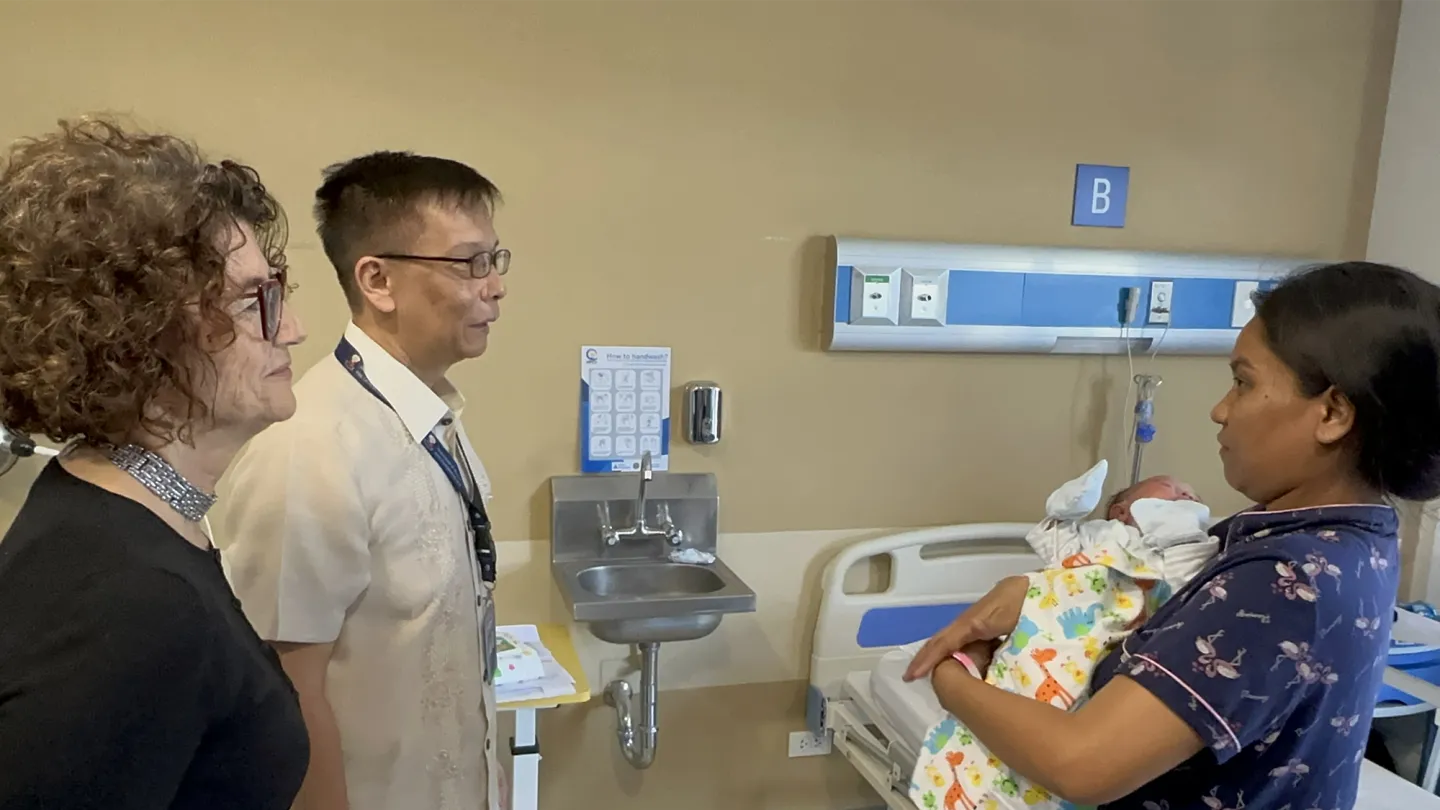
While on mission in the Philippines, ILO Assistant Director-General Manuela Tomei visited the Overseas Filipino Workers Hospital and engage with migrant domestic workers and their families left behind on protection, rights, welfare, health and safety issues.
Overseas Filipino Workers (OFW) and their families left behind met with the International Labour Organization (ILO) and the Department of Migrant Workers (DMW).
While on mission in the Philippines, ILO Assistant Director-General Manuela Tomei visited the OFW Hospital and interacted with OFWs, mostly migrant domestic workers and their families.
The Overseas Workers Welfare Administration (OWWA), an attached DMW agency, provides programmes and services to migrant workers and their families left behind. It also offers crucial welfare services such as upskilling and reintegration assistance, as well as scholarship grants and financial assistance to families who have been left behind.
The OFW Children’s Circle (OCC) further aims to protect and take care of children-dependents of OFWs by developing their potential, skills and talents, and addressing the social cost of migration on their mental health and well-being.
During the field visit, DMW Secretary Hans Leo Cacdac shared good practices on delivering health services to OFWs and the programmes for families left behind, including current initiatives to expand the facility.
In 2024, the ILO launched a study highlighting gaps in Philippine migrant health laws and urging reforms to better protect OFWs and their families. The mapping and rapid appraisal focused on the status of the policies, including their strengths and innovations, gaps and weaknesses, and recommendations and opportunities for reforms to better meet their needs.