


Digital wages
ILO convenes partners to advance financial health and inclusion through the workplace
Government, employers, workers, financial service providers and development partners convened in the Philippines to identify practical solutions on responsible digital wage payments, workplace financial education, programmes, services, and financial consumer protection.
The International Labour Organization (ILO) convened a multi-stakeholder forum with government, employers’ and workers’ organizations, financial service providers, and development partners together with the Department of Labor and Employment (DOLE) and the Bangko Sentral ng Pilipinas (BSP).
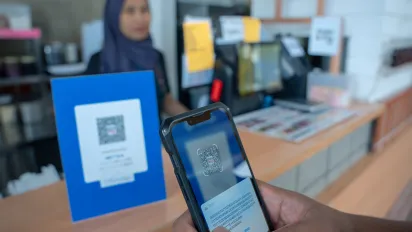
Organized under the ILO Global Centre on Digital Wages for Decent Work, the Multi-stakeholder forum on advancing financial health through the workplace: From responsible digital wage payments to financial health and resilience explored how responsible digital wage payments can be an entry point for workers to open their first transaction account, and how workplace financial education on its practical uses can help workers turn that access into better financial health.
The forum traced the Philippines' shift from financial inclusion, through the payment of wages via transaction accounts, toward financial health: the ability to manage everyday expenses, absorb financial shocks, work toward long-term goals, and feel in control of one’s finances. Having an account is only the first step. Workers also need to know how to use it for budgeting, saving, and protection against financial shocks.
Worker and employer perspectives grounded the discussion in what affects workers’ finances in practice. Employers shared how they began supporting workers’ financial health, from responsible wage payments, to connecting workers with financial information and education, to offering additional services such as earned wage access while preserving worker choice. Participants also considered how healthier worker finances can benefit enterprises.
Labour institutions and social partners discussed the support employers and workers need, including practical tools and capacity building for micro, small, and medium enterprises (MSMEs) and safeguards that keep workplace initiatives voluntary and responsive to workers’ needs. Financial regulators and providers then discussed how the digital finance ecosystem can respond through lower costs, convenience, interoperability, suitable products, and savings, microinsurance, and Personal Equity and Retirement Account (PERA) options. Consumer protection, including transparent terms, fraud prevention, and accessible complaint mechanisms, ran through these discussions alongside workplace financial education aligned with the proposed National Strategy for Financial Education.
In a 21st Century Town Meeting workshop, participants from government, employers, workers, and financial service providers discussed what challenges remain under three themes: responsible digital wage payments, workplace financial education, programmes, and services,, and consumer protection. They then voted to prioritize the most pressing challenges in each theme and proposed practical solutions to address them. Representatives of government, employers, and workers then named priorities their institutions can help advance and where they see opportunities to work with others.
These discussions inform stakeholders of the support needed from their end and the solutions proposed during the workshop. These will also guide continued collaboration to help workers move from access to meaningful use of appropriate financial services, while supporting enterprises to improve payroll practices and productivity.

Relevant projects
The ILO's Global Centre on Digital Wages for Decent Work - Philippines

Skills for Prosperity South-East Asia Programme
Skills for Prosperity Programme in Malaysia
Skills development
Skills for Prosperity in South-East Asia Programme
Skills
Skills for Prosperity Programme in Indonesia