

Informal economy: a hazardous activity
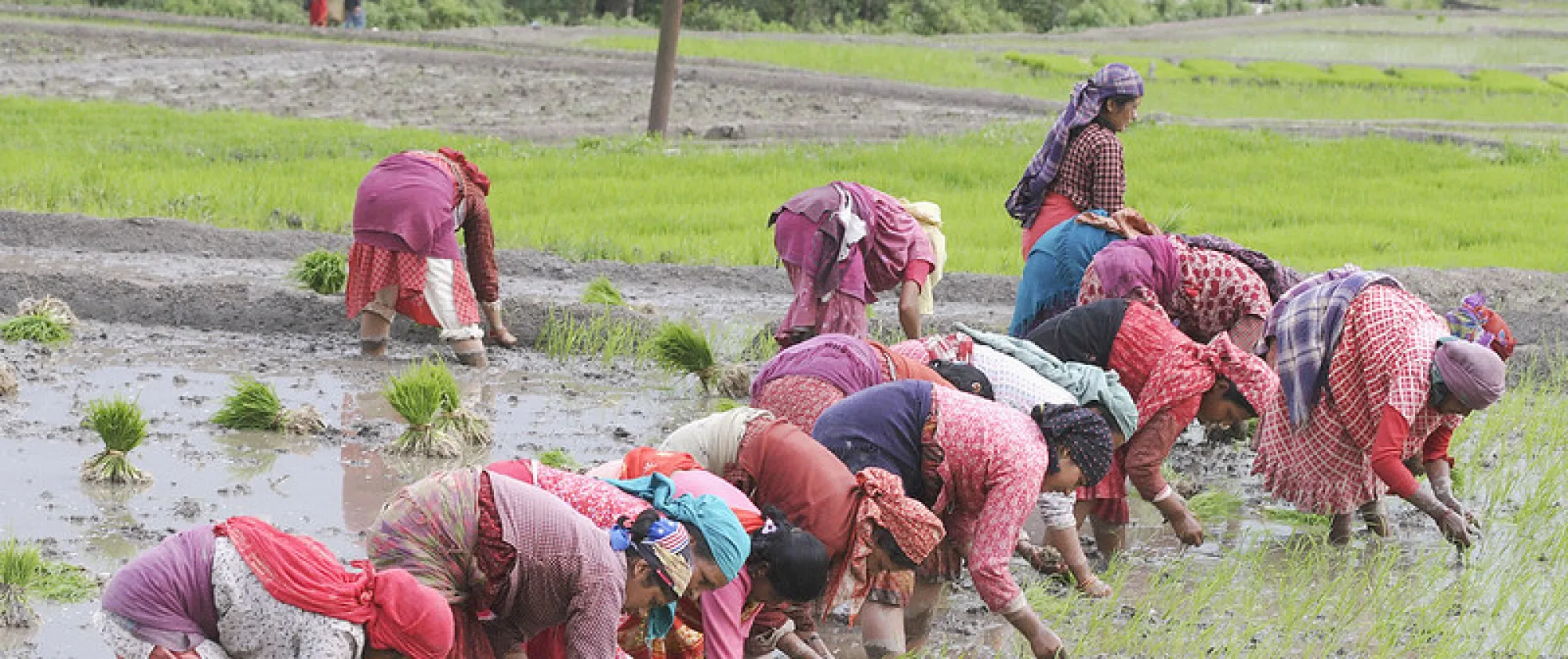
Informal economy workers often work in the most hazardous jobs, conditions and circumstances across all economic sectors – agriculture, industry and services.
23 March 2015
High exposure to risks combined with low coverage of social protection place most informal economy workers in a very vulnerable situation. Although not everyone in the informal economy is poor, a significant proportion of the poor are in the informal economy, and, because they are poor, the occupational risks are compounded by such factors such as precarious housing, low quality nutrition, a lack of access to drinking waters and sanitary facilities, and a lack of basic health services. For many informal sector operators their home and workplace are one and the same place. Vulnerability to diseases and poor health therefore result from a combination of undesirable living and working conditions. It is well established that gender inequality is more prevalent in the informal economy, where women are concentrated in the lower end and earn significantly less than men. It is also in the informal economy that child labour and bonded labour are most prevalent and most difficult to address.
Occupational accidents and work-related diseases can and must be prevented in the informal economy. To this end, the ILO’s SafeWork Programme and field OSH specialists are paying special attention to awareness-raising of these problems among informal economy workers and enterprises, that in most cases do not consider the improvement of OSH as a priority, and sensitizing policy makers, municipal authorities and labour inspection services towards a preventive and promotional approach. This especially takes the form of participatory training programmes such as Work Improvements in Small Enterprises (WISE) - Package for trainers , and Work Improvement for Safe Home (WISH): Action manual for improving safety, health and working conditions of home workers and Work Improvement in Neighbourhood Development , which have registered success in supporting grassroots initiatives to improve working conditions in many countries of the world. These participatory programmes focus on immediate improvements in OSH in informal economy workplaces using low-cost, locally available materials, whilst linking them to improvements in productivity. The increasing application of these programmes in the informal economy testifies to their motivational aspect.
Related content

Improvement of working conditions and environment in the informal sector through safety and health measures
Participatory approaches to improving safety, health and working conditions in informal economy workplaces. Experiences of Cambodia,...
Decent work and the transition to formalization: Recent trends, policy debates and good practices
The informal economy: enabling transition to formalization. Background document to the Tripartite Interregional Symposium on the Informal...
Health impact of occupational risks in the informal sector in Zimbabwe
Work Improvement in Neighbourhood Development