

Enhancing impact through monitoring and evaluation: Strategies and insights from Nigeria's ACCEL Africa project
25 April 2024
Child labour remains a significant issue that not only undermines the dignity of children but also hinders their education and future potential to contribute to global development. Recent estimates from the International Labour Organization (ILO) indicate that Nigeria has the highest number of child labourers in the ECOWAS region, with approximately 10.5 million children engaged in various exploitative conditions within global supply chains. This stark reality underscores the urgent need for decisive action to mitigate the impacts of child labour.
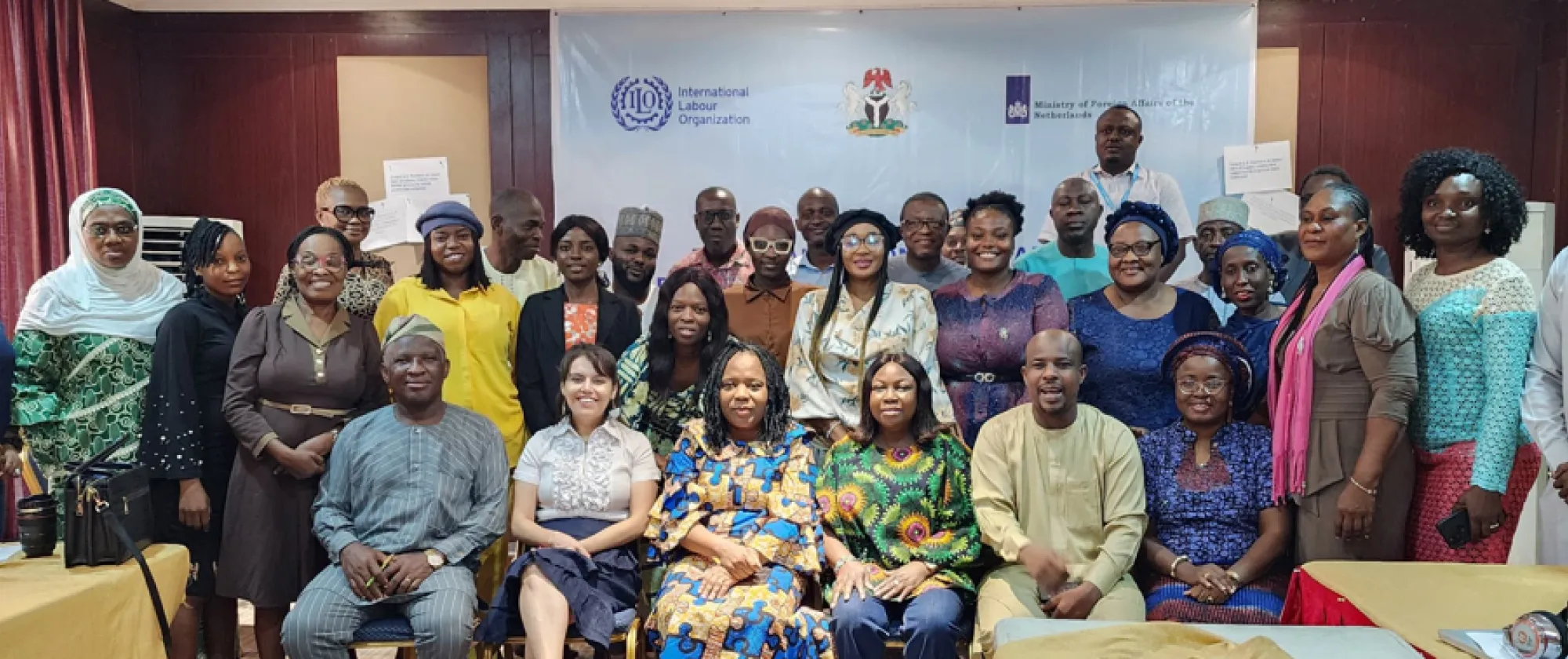
In response to the pressing need for impactful interventions and results that can portrait change, the ILO's ACCEL Africa Project, funded by the Government of the Netherlands and implemented by the ILO, recently organized a comprehensive three-day Monitoring and Evaluation (M&E) Training. The training focused on the ACCEL Africa Results Framework and Indicator Measurement Guidelines and took place in Abuja, Nigeria. The event saw participation from a diverse group of stakeholders, including representatives from government agencies, employers' associations, organized labour, academia, and civil society organizations (CSOs).
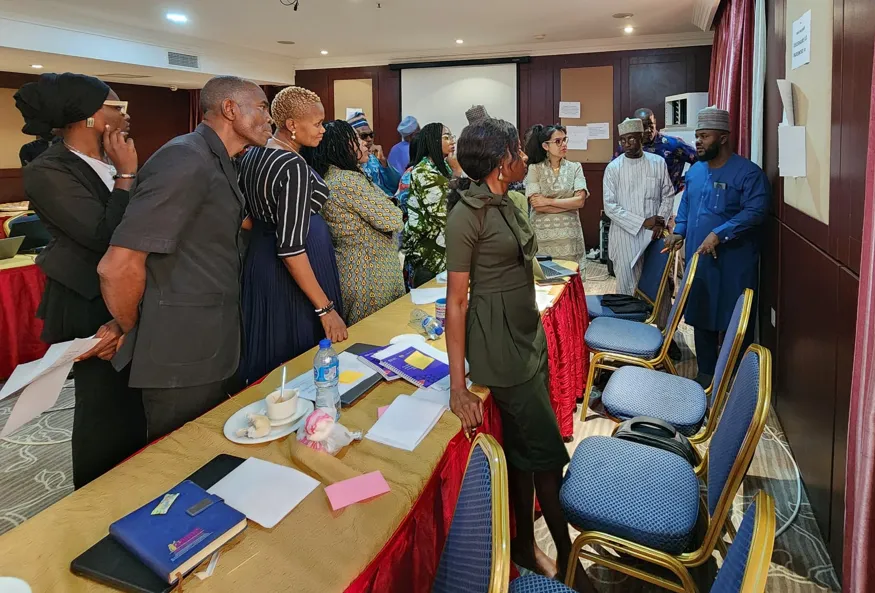
The capacity-building program introduced stakeholders to the Result-Based Monitoring and Evaluation Framework for the ACCEL Africa II Project. Participants were trained in the development of key performance indicators that are Specific, Measurable, Achievable, Relevant, and Time-bound (SMART). Additionally, the training provided insights into innovative data collection methods, tools, and reporting guidelines. A key emphasis of the training was on the importance of accurate reporting to reflect the true impact of the interventions on the communities benefiting from them. Stakeholders were encouraged to report on actual changes achieved, rather than merely listing activities conducted. During the training, participants engaged in role-playing activities designed to mimic field-level monitoring challenges, fostering a practical understanding of the tools and methods introduced. The training also included a session on innovative monitoring practices including artificial intelligence, and how to identify risks and opportunities. Furthermore, participants discussed the concept of impact measurement and the importance of having a clear exit strategy.
The importance of knowledge sharing and its critical role in project success was highlighted, emphasizing collaborative learning and adaptation, this segment included participatory activities such as a knowledge mapping. Plenary discussions provided a platform for stakeholders to voice common challenges encountered in the field and share best practices. Furthermore, participants were guided on effective communication techniques, learning how to craft impactful stories and articulate "good practices" and "lessons learned" from their experiences.
Following this training, stakeholders are expected to utilize the knowledge acquired to effectively implement the second phase of the ACCEL Africa Project. The goal is to align with global best practices and achieve the project’s development objectives, ultimately reducing the incidence of child labour in the region.
Relevant projects

Accelerating action for the elimination of child labour in supply chains in Africa (ACCEL Africa)