

Strengthening Patchouli Oil Value-Chain Ecosystem in Aceh
Background and Introduction
15 October 2024
The COVID-19 pandemic that hit the country in early 2020 had negatively impacted the Indonesian economy. Numerous studies and surveys suggest that MSMEs were severely impacted by the COVID-19 pandemic. More than a million formal sector workers were reported to be dismissed from work temporarily whilst hundreds of thousands lost their jobs permanently. In total, the Ministry of Manpower estimated 29.4 million workers had been affected by the pandemic. On the other hand, MSMEs have benefited from the adoption of technical digital by selling their products online during the pandemic, and also concluded that the pandemic has created a leapfrog in the adoption of digital technology for financial transactions in Indonesia. However, MSMEs are still a priority sector in the national economy recovery agenda and in regional development as well.
The PROMISE 2 IMPACT is the second phase of the PROMISE IMPACT Project that aims at strengthening the capacity of Financial Service Providers (Bank Perekonomian Rakyat/BPR and Bank Pembangunan Daerah/BPD) to serve the SMEs in productive sectors in a select location of the Project and enhancing the capacity of those SMEs to expand their business and create employments. These objectives are achieved inter-alia through promoting digital transformation and strengthening the targeted SMEs' value chain and business ecosystem. In addition, the Project will also support the financial service authorities and the national and regional policymakers to enhance financial inclusion in Indonesia further.
Through these interventions, the PROMISE 2 IMPACT Project proposes to create an enabling environment for an inclusive financial sector for SMEs, which will lead to economic growth and improved employment outcome, particularly in the post-pandemic situation whereby small and medium enterprises are severely impacted.
Establishing and digitizing a new ecosystem for the patchouli oil value chain in the Aceh region is one of the ongoing initiatives of the Project, which is aiming to promote financial inclusion throughout project intervention. This will be the third ecosystem that the Project supports .
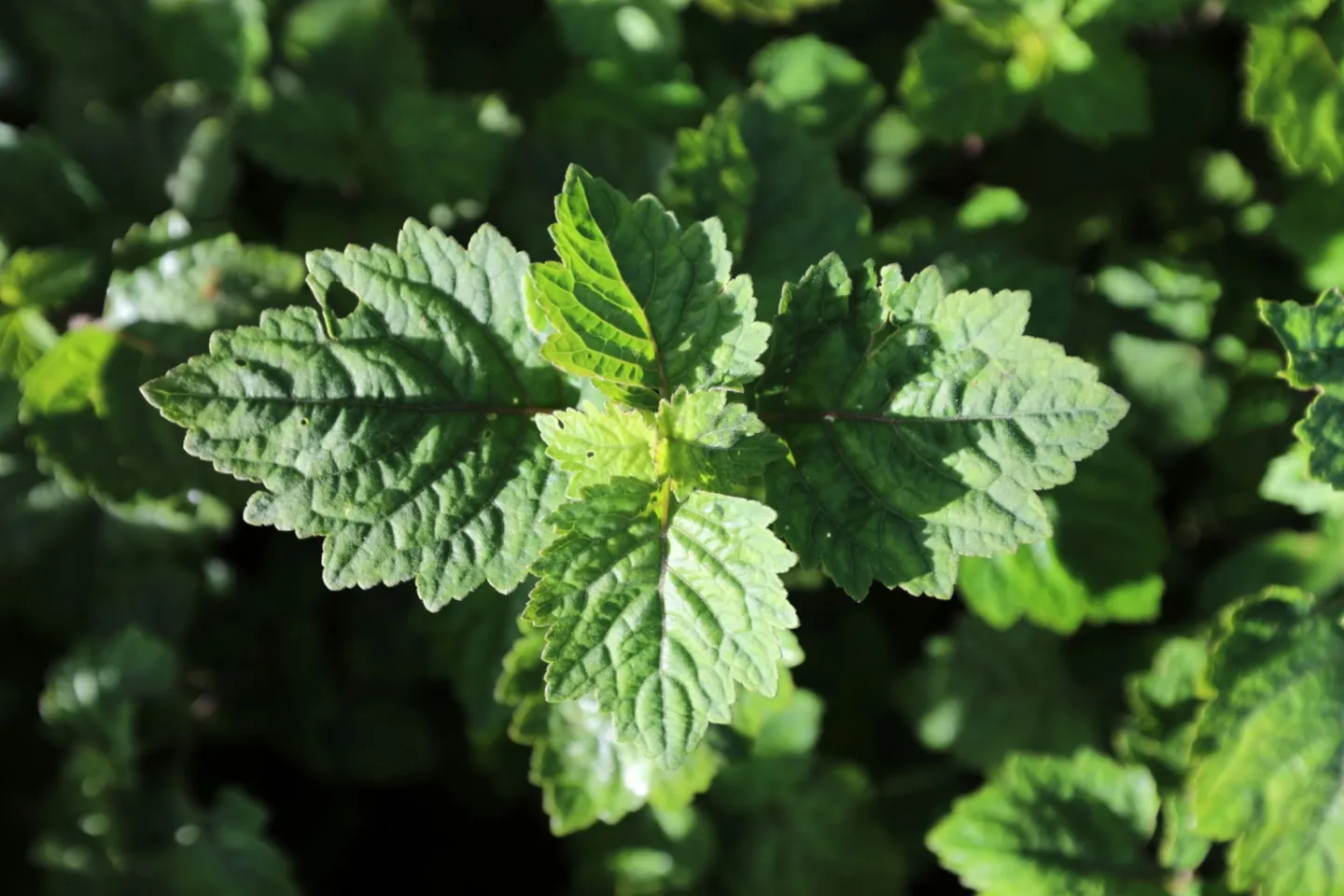
Patchouli (Pogostemon Cablin Benth) is one of the producing plants essential oils which are important in generating foreign exchange (Fuad Guntara, 2022). Patchouli oil has a variety of phytochemical compounds that have therapeutic effects and as a sedative and others. Patchouli oil is also a basic ingredient in the perfume, aromatherapy, skin care, body care, aromatherapy oil, rubbing oil, air freshener, insect repellent, antiseptic, biological pesticide, bed spray, hand sanitizer, and ingredients for making cosmetic products because Its function is to improve wound healing.
Patchouli is a plantation commodity that produces patchouli oil and is an export commodity in Indonesia. According to the Ministry of Trade (2014), Indonesian patchouli oil products are dominating the global trading market of patchouli, accounting for 80 - 90% share and 70% of it comes from Aceh. Therefore, supporting patchouli commodity and its plantation has the potential and prospects to support economic growth. Developing patchouli as a leading commodity is in line with the Phase-3 National Long-Term Development Plan (RPJPN) (2015-2019) which states that the agricultural sector is still an important sector in national economic development.
The largest contribution to Aceh's GDP is in the agriculture, forestry, and fisheries sectors (29.25%), the credit section for patchouli in Aceh is very small (0,01%) dan the KUR scheme its only prioritized for the businesses that have adequate financial conditions, the financial service industry also has a limitation in supporting the patchouli ecosystem, this shows that the sharia financing and insurance product are not yet available for patchouli farmers also there is no regional institution for the agriculture sectors
Given the crucial role of Patchouli oil, which has a high economic value, to Aceh's local economic development, the Project has supported the digitalization of a patchouli oil value chain ecosystem by developing an Enterprise Resource Planning (ERP) system which will be similar to the one that was previously developed for digitising a dairy cattle in KPBS-West Java.
The Project is committed to supporting the national government's agenda in strengthening the SMEs priority sector. This Project has taken action to strengthen the patchouli value chain ecosystem in Aceh, through the development digital platform (ERP System) at Atsiri Research Centre (ARC). The platform will determine the modules and features required to address the specific needs of the patchouli oil ecosystem, such as supply chain management, quality control, inventory tracking, and regulatory compliance, the ERP itself will offered several benefits to ARC (streamline operations, traceability and sustainability improve access to finance and quality control and compliance/audit proposed – ILO currently has trained 200 ARC member farmers in Aceh were provided with training in financial literacy and entrepreneurship, with 20% of the participants were female farmers.
Given this context, the Project team is currently planning to conduct several activities in Banda Aceh in relation to strengthening the patchouli value chain ecosystem through digitalization and capacity development for all actors in the value chain, the kind of activities are: FGDs on the sustainable patchouli with regional stakeholders, launching ERP for patchouli value chain ecosystem in Aceh, MoU signed between ILO and USK, access to finance for patchouli farmers and first export release on patchouli.