

All publications: livelihoods + income generating activities + remuneration + minimum wage + low wages + incomes policy + income

Research Brief
Barriers to the full digitization of wage payments in Chinese supply chains — A rapid assessment
While digital payments are the norm in China, some factories still pay wages in cash. This research explores the barriers to digital wage adoption, especially among older, less educated, and migrant workers. It finds that factory size, location, and...

Wage protection
The gender pay gap in Pakistan: An empirical analysis and policy implications
An in-depth ILO report analysing the gender pay gap in Pakistan and proposing targeted policy actions to close it.

Report
Economic factors for wage setting
This report is part of an effort by the International Labour Organization (ILO) to strengthen the evidence base for wage setting and to support governments and social partners in negotiating and determining adequate wage levels that take into...

Report
A methodology to estimate the needs of workers and their families for the purpose of wage setting, including living wages
This report outlines the ILO’s methodology for estimating the needs of workers and their families to support evidence-based wage setting, including living wages. It provides practical guidance for using household income and expenditure surveys and...

Earned wage access – A global study on benefits and risks
This report provides an overview of Earned Wage Access (EWA) services and assesses their potential benefits and risks for both workers and employers. It also examines how they interact with labour and financial regulations. The findings are intended...

Research report
Decent work and responsible business practices in Indonesia's electronics manufacturing sector
This study, which initiated by the Government of Japan-funded ILO-RISSC project, focusses on the two main production types in Indonesia's electronics industry: producers of electronics parts and components and final product assembly, which occurs in...
Research Brief
Measuring Quality of Employment in Emerging Economies: A Methodology for Assessing Job Amenities using Big Data
This brief presents a novel methodology that leverages online vacancy data and natural language processing (NLP) to measure job amenities across different country contexts.

WSSD2 Brief
Advancing decent work for all: The role of wage policies, including living wages
The policy brief discusses the role of wage policies, including living wages, in advancing decent work and social justice. It highlights wage trends, persistent inequalities, the importance of minimum wage systems, and the need for evidence-based...

Updating of the minimum monthly basic pay or wage figure for able seafarers (April 2025)

Brief
Mind the gap: Why women in Pakistan earn less than men and what we can do about it
Despite global efforts, women in Pakistan still earn 25 per cent less per hour than men, with disparities widening for older and lower-income workers. This policy brief highlights key barriers, including discrimination, weak compliance with labour...

Research Brief
Trends in educational and income mobility
This brief explores trends in educational and income mobility, highlighting disparities and policy implications across advanced and developing economies.

ILO Working Paper 134
Wages in African public administrations: Where do we stand?
By playing a key role in the provision of critical services, such as health, education or security, governments are crucial for the good functioning of societies and social justice. Governments have a dual role to play as employers and as the actor...
Fact sheet
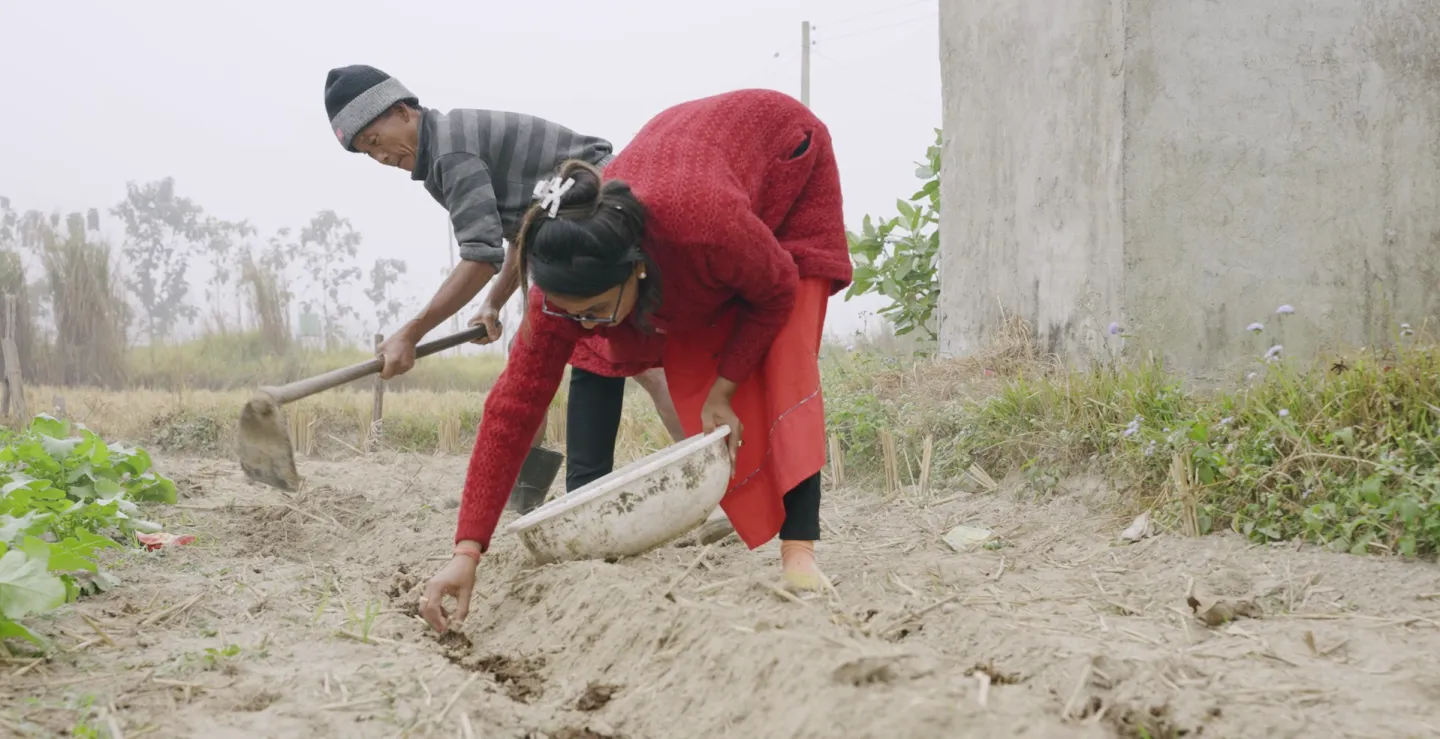
A Systemic Approach to Refugee and Host Communities Livelihoods in Nepal
The second phase of this project sought to improve and scale up market-based livelihood interventions for Bhutanese refugees along with host communities and explore new high-potential sectors of intervention in Koshi Province and provide technical...

Report
Dynamics of minimum wages in Africa: Minimum wage systems and trends in Africa
This report highlights the diverse nature of minimum-wage dynamics in Africa. It emphasizes the need for nuanced and adaptive minimum-wage policies that consider country-specific factors, regular and informed minimum-wage adjustments, and improved...

ILO Flagship report
Global Wage Report 2024-25: Is wage inequality decreasing globally?
The Global Wage Report 2024-25, provides a detailed look at wage trends around the world and in different regions, highlighting changes in wage inequality and real wage growth. It explores key challenges workers face globally and sheds light on...

ILO Working Paper 131
A study on the employment and wage outcomes of persons living with a same-sex partner
This study examines the labour market disparities faced by same-sex couples across nine countries (Argentina, Brazil, Chile, Colombia, France, Mexico, Thailand, the United States of America and the Bolivarian Republic of Venezuela), extending the...

Technical Paper
Assessment and mapping of cash transfer payment modalities and frequencies in the Occupied Palestinian Territory
This technical paper provides practical guidance for the Ministry of Social Development, the Ministry of Finance and the European Union on strengthening the delivery of social assistance schemes in the Occupied Palestinian Territory. It focuses on...
The Gender Wage Gap in Egypt
This study is conducted in collaboration with the Ministry of Planning and Economic Development (MPED)- representing the Egyptian government- and the ILO Cairo office to provide a clear perspective of the size, evolution and determinants of the...

Designing and implementing market-led interventions in forced displacement settings

ILO Working paper 107
Employment and wage disparities between rural and urban areas
This study uses household survey data from 58 countries around the world to compare the labour market outcomes of rural and urban workers, taking into account the specific socio-demographic characteristics of rural populations. It also provides an...
2 of 27