

Revising the formulas for dispute resolution in Sri Lanka’s education sector
1 April 2025
Sri Lanka's vast and complex education sector boasts high-literacy rates and near universal enrolment, yet faces deep-rooted challenges and systemic gaps, worsened by COVID-19 and economic crises. In any such multifaceted system, disputes can be both catalysts for change or cause for collapse. The ILO is facilitating establishment of workplace forums as an alternate dispute resolution mechanism in priority sectors, including education, to strengthen labour peace, equity, and service delivery.
COLOMBO, (ILO News) - In a room full of teachers, professors, non-academic staff, and government officials, there is a sense of anticipation and scepticism. Everyone is taking notes, raising questions, sharing insights, debating. They are all participants of a consultation for general and higher education sector trade union members. The focus: improving dispute resolution mechanisms in Sri Lanka’s education sector.
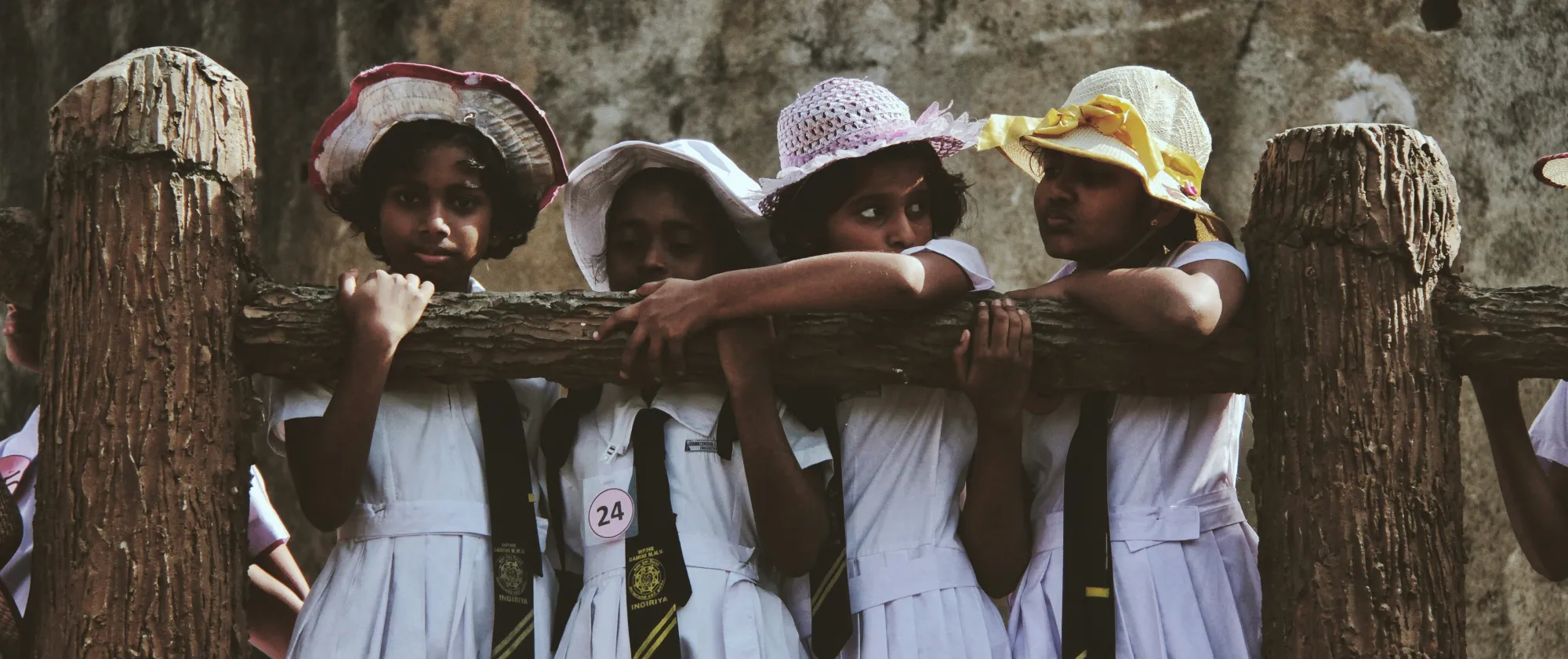
Education has always been seen as a great equalizer. With the highest literacy rate in South Asia and near-universal enrolment rates in primary and secondary education, Sri Lanka has long been lauded for its achievements in providing free education. However, this success story is not without its challenges— the cracks have only deepened in recent years.
The Building Blocks
Sri Lanka’s education sector is vast and complex, comprising three levels: general education (primary and secondary), higher education, and technical and vocational education and training. Within this system, over 10,000 government schools , 17 state universities and 2 campuses, and numerous public higher education institutes are serving millions of students. The public education sector in Sri Lanka employs around 100,924 people, equal to about 8.7% % of total public sector employees*.
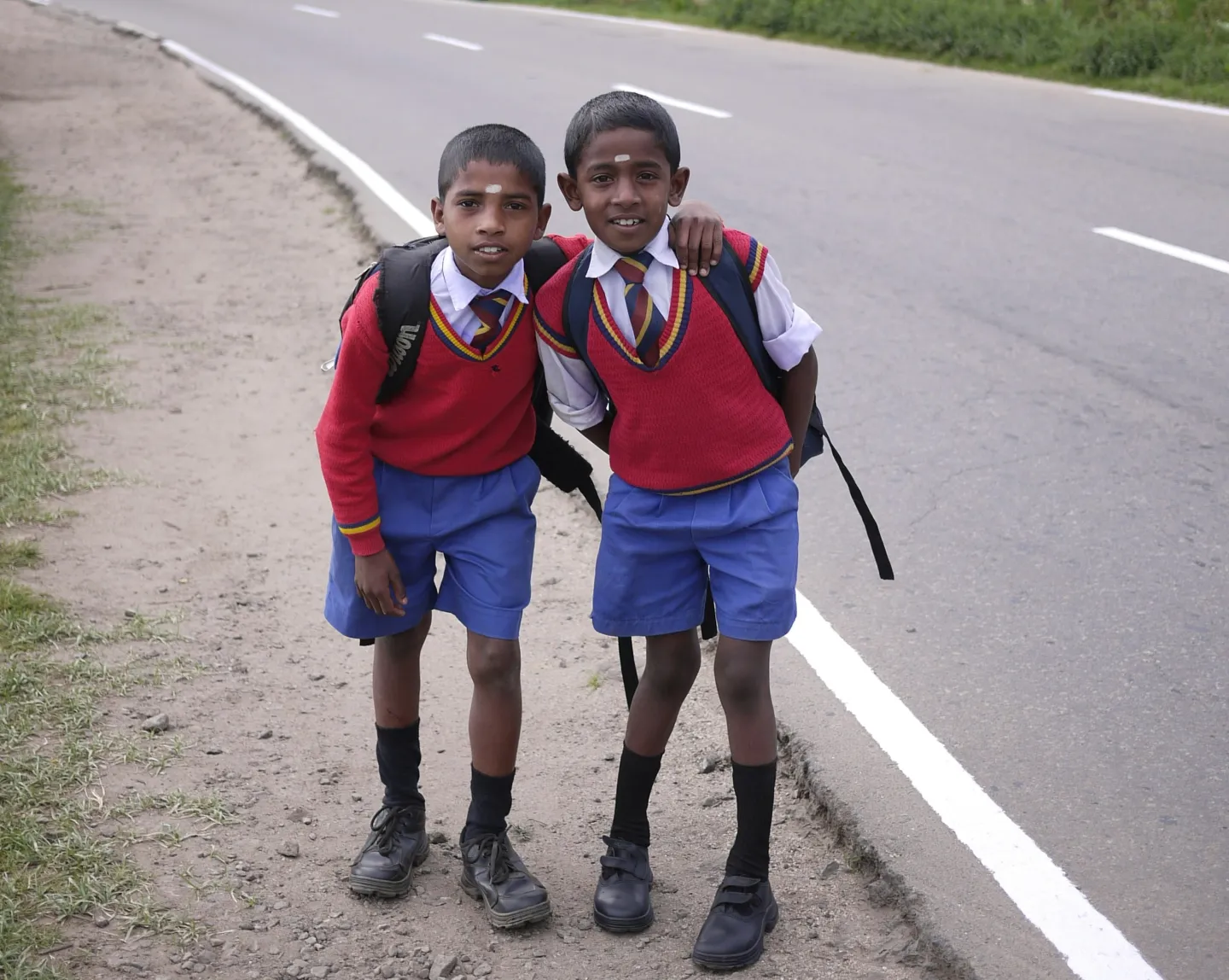
For an education system already severely strained due low government spending, structural weaknesses, poor infrastructure, and regional disparities, Covid-19 was the tipping point. The subsequent economic crisis worsened the situation. Schools and universities were shut down for extended periods, shift from classroom-based to online distance learning revealed stark disparities in access to technology, and for families struggling with financial insecurity, basic needs often took precedence over education-related expenses. Amidst this complexities, and systemic gaps, there is also unresolved disputes and deep-rooted grievances within the education system itself.
The Duality of Disputes
Disputes are inevitable in any complex system, with multiple moving parts. Often a necessary response to unmet needs, disputes can also propel improvements, and act as catalysts for innovative solutions.
But when disputes in the education sector escalate into severe, prolonged disruptions, both those within the sector as well as students and families alike become trapped in a cycle of frustration, unable to make progress.
Understanding the equation
“If we look at current (formal) mechanisms for resolving issues in the higher education sector there are significant gaps”, says Justin Yasodhan, President of Jaffna University Employers’ Association, and Coordinating Secretary for the North and East, All-University Employers’ Association.
A laboratory technical officer at the botany department of Jaffna University, Justin shares his frustration as a non-academic staff,
In the present structure, there is no framework to voice our (non-academic staff) grievances, and even on decision related to us (non-academic staff ), we are most often excluded from the discussion – there is an alienation. Dispute resolution, it seems an unattainable fruit.
Justin Yasodhan, President of Jaffna University Employers’ Association
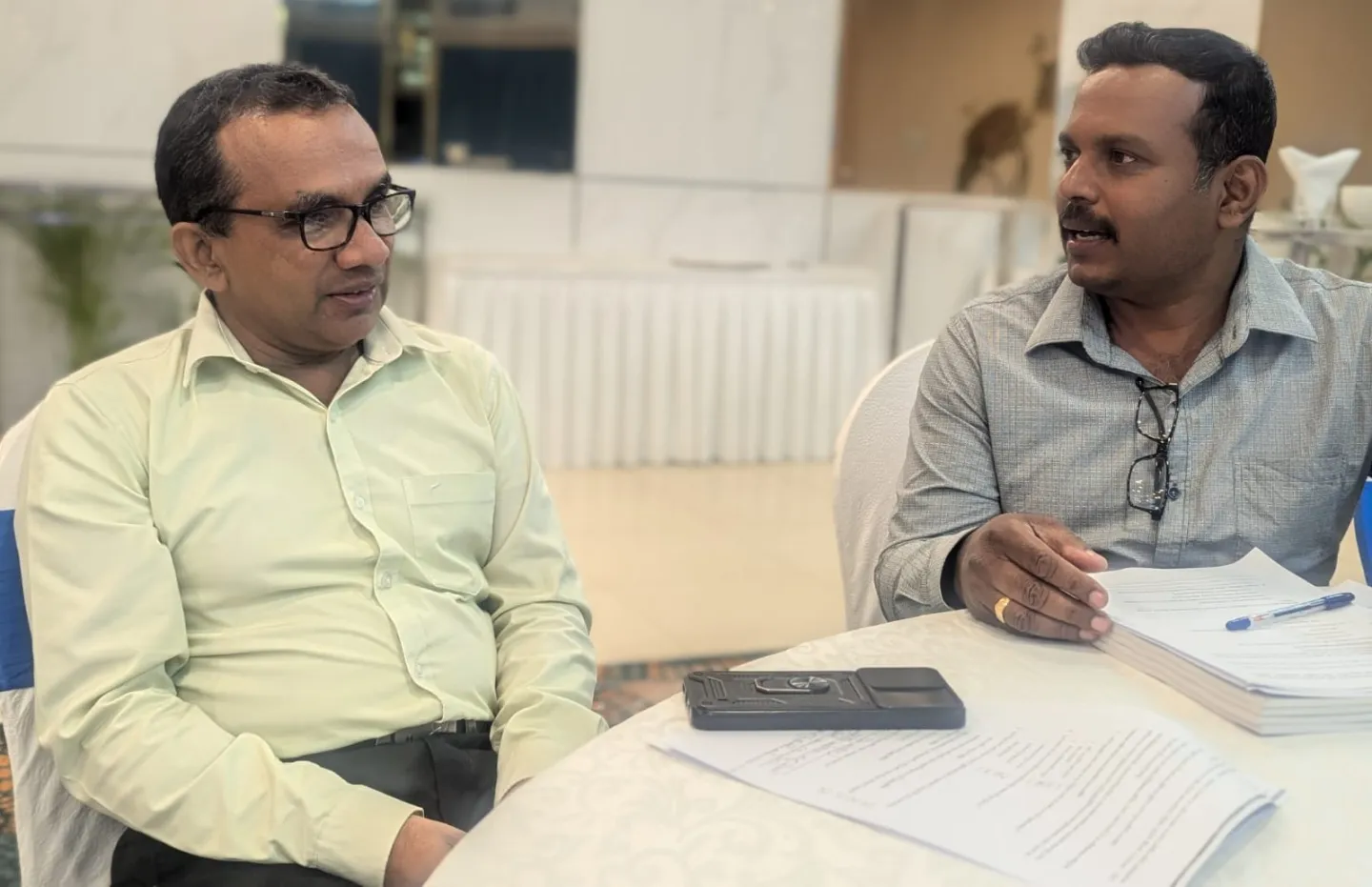
Dira Hettige, General Secretary, Sri Lanka Independent Teacher’s Association, questions,
If the current pathways and mechanism for dispute resolution are good, are working, then we wouldn’t see these many challenges in the public sector, would we?
Dira Hettige, General Secretary, Sri Lanka Independent Teacher’s Association
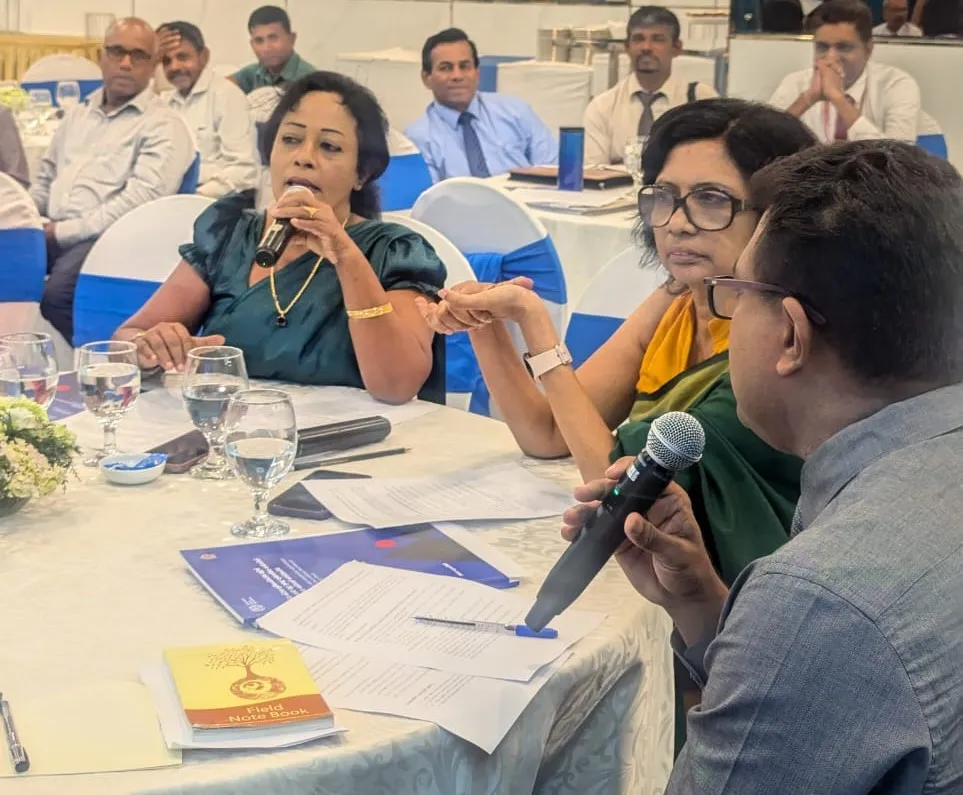
“We must accept that there are strikes and work stoppages in the education sector, and it is disruptive,” say Justin. “The public also holds a view that the universities are always on strike, be it academic staff, none-academic staff, or students. But if we were to say our side, when there isn’t a space to engage in a dialogue, a platform for us to be heard, then we are pushed to make our voice using strike as a tool."
Low teacher compensation, less than ideal working conditions, staff shortages, politically motivated recruitment, promotion, and retention practices, lack of proper review and oversight, lack of assessment of decisions made to gain understand of success and failures, unclear guidelines were among issues highlighted for disputes in the education sector, and key factors that hinder effective resolution.
The Cost of Disruptions
Industrial actions, strikes, work stoppages, and protests are seen as a last resort when all other avenues seem to have been exhausted. But one cannot ignore that disputes and resulting disruptions in education sector has far reaching consequences – temporary setbacks on day-to-day functioning of schools and universities, long term impacts on students’ academic performance, potentially widening inequalities between those able to access uninterrupted education and those left behind. It can also harm social cohesion, perpetuating cycles of anger and loss of faith within and towards the system.
Could workplace forums be a solution?
The key topic of this ILO facilitated consultation for general and higher education sector trade union members is establishment of workplace forums as an alternate dispute resolution mechanism. Rolled out as part of the UN Social Dialogue for Peace and Crisis Prevention in Sri Lanka project, led by the International Labour Organization, it is part of wider efforts to enhance public service delivery through supporting labour peace, addressing workplace-level conflicts, and enhancing gender responsiveness in priority public sectors, including education.
Nirmala Gamage, secretary, catholic teachers’ union believes that workplace forums could be effective,
If the forum is implemented in the same way that it’s envisioned, a space of equality without power struggles, or egos getting in the way, it has immense potential.
Nirmala Gamage, Secretary, Catholic teachers’ union
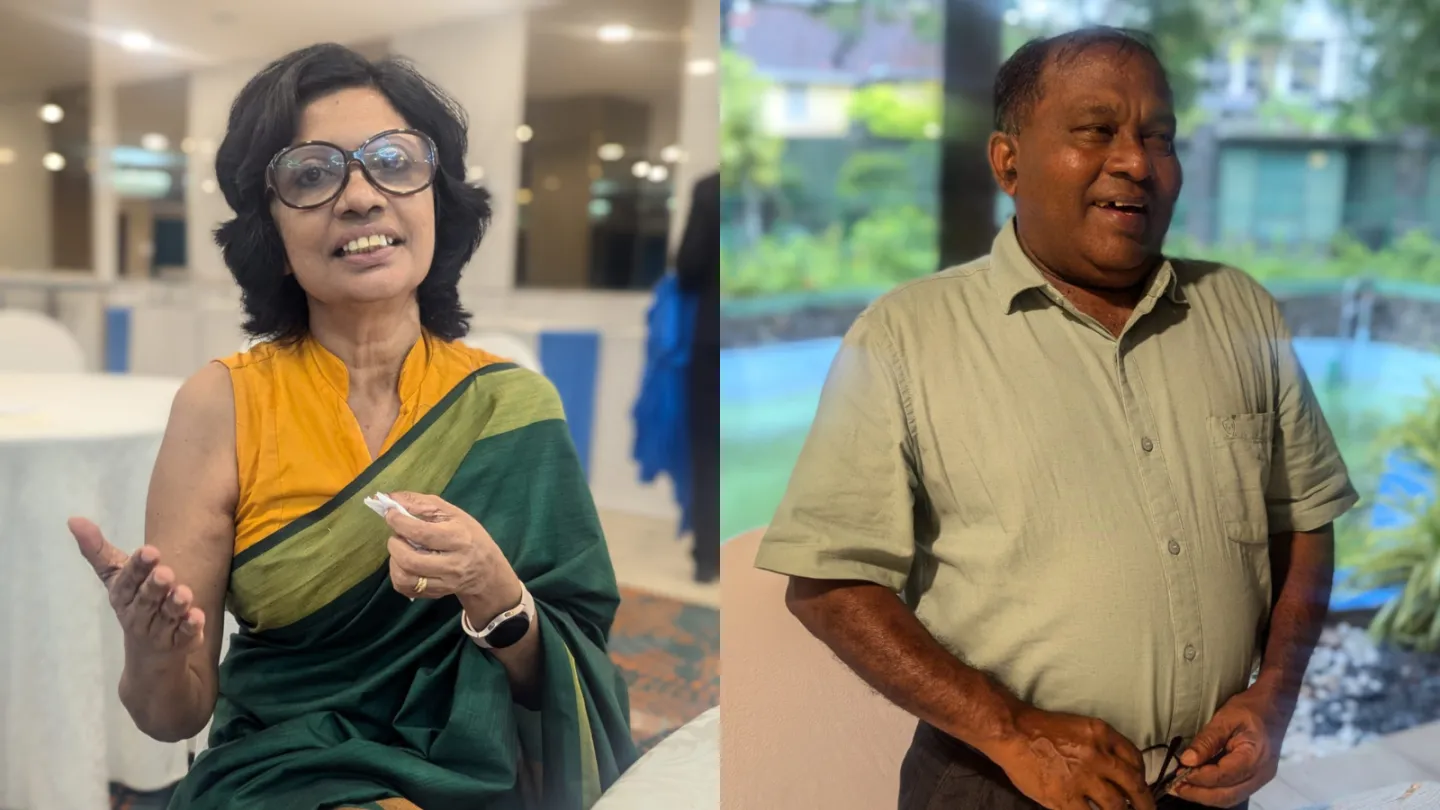
Joseph Stalin, secretary, Ceylon teachers’ union, emphasizes that decision-making power would be a key factor, “there have been several previous attempts to establish different mechanisms, but the decision-making power hierarchy hasn’t changed. Without the authority to make and most importantly implement decisions, these forums can become mere talk shops.”
It is through trade unions, our collective, voice and strength, that we are able to effect any change. It’s not that we like to engage in strikes or work stoppages, but for (us to) buy-in to alternates, like these forums, the assurance about implementation of decisions made, and trust, those are important.
Joseph Stalin, Secretary, Ceylon teachers’ union
The Fundamentals
Many participants highlighted collaboration and consultation as foundational for the success of workplace forums. Based on his experience, Justin says, “Without the participation of every university employee, the (university) system will get stuck. So, there must be social dialogue between everyone, inclusion regardless of designation”.
While echoing sentiments around the importance of social dialogue, Dhira underscores that “when workplace forum committee are conceptualised and established, trade union involvement in all aspects is critical, including for enhancing gender responsiveness.” She also highlights the need for a new approach to dispute resolution,
We keep discussing the same issues every year, these unresolved issues, they need solutions, but if we are looking for change, then we must also be open to moving away from the way things have been done, the ‘traditional’ method.
Nirmala Gamage, Secretary, Catholic teachers’ union
“We need to first implement it, only then can we see if it is a success or failure, we cannot comment from the outside. There will be gaps but we need to try it.” Nirmala Gamage adds.
Despite the different views, there is shared concern that change is needed. The proposed workplace forums, with the right structure and authority, could foster the necessary dialogue and collaboration to create real change. If done right, they could serve as a powerful tool for resolving disputes and ensuring that all voices are heard—leading to a more effective and equitable education system.
*Department of Census of Statistics Sri Lanka. Census of Public and Semi-Government Sector Employment , 2024.The UN Social Dialogue for Peace and Crisis Prevention in Sri Lanka project, implemented through the International Labour Organization (ILO), United Nations Educational, Scientific, and Cultural Organization (UNESCO), and the United Nations Population Fund (UNFPA) aims to foster a peaceful, inclusive and just response to the effects of Sri Lanka’s economic crisis. This is achieved through social dialogue and dispute resolution mechanisms both at national and local levels. The project is funded by the UN Sri Lanka SDG Fund with support from the United Nations Peacebuilding Fund and the Joint SDG Fund.
Related content

Social Dialogue for Peace and Crisis Prevention in Sri Lanka
Our impact, their story.
Let’s talk it out
Press Release
UN public service day highlights importance of inclusive dialogue in Sri Lanka’s economic recovery
Relevant projects
Social Dialogue for Peace and Crisis Prevention in Sri Lanka