

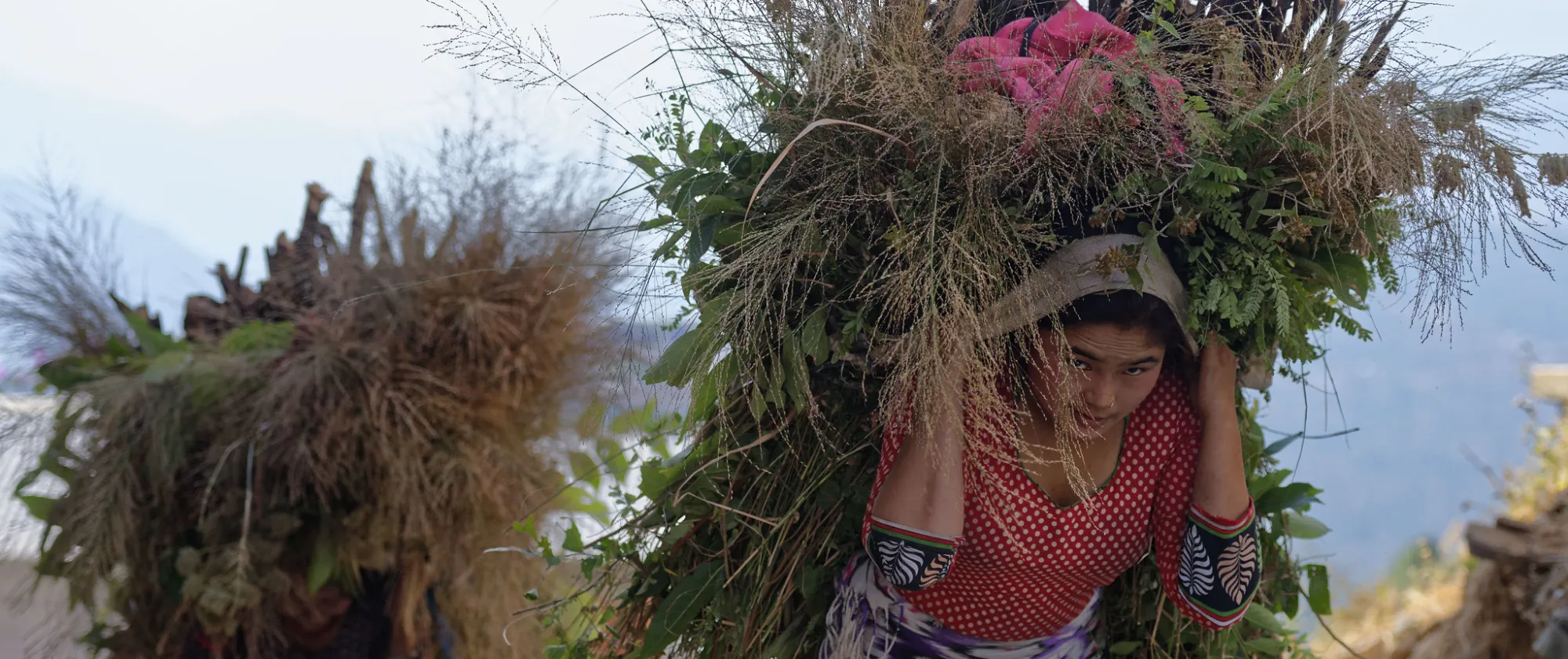
Take a stand against modern slavery
50 million men, women and children today live in modern slavery, of which 27.6 million were in forced labour, either trafficked, held in debt bondage, or working in slavery-like conditions. 12% of all those in forced labour are children.
They are all victims of a multi-billion dollar business which deceives, coerces and traffics human beings for profit.
No region is spared from forced labour. The tragedy of children subjected to forced labour demands special urgency.
Artists have partnered with the ILO to share the realities of modern slavery and ensure that the right of women and men everywhere to work in freedom and dignity is respected.
Featured
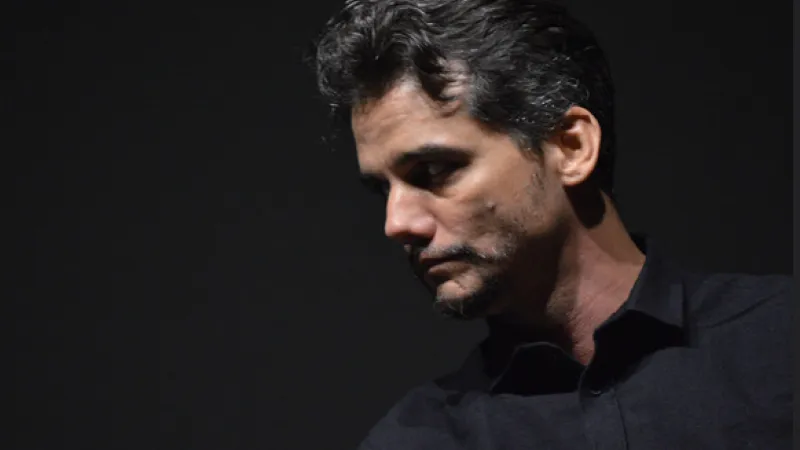
Brazilian actor Wagner Moura appointed as ILO Goodwill Ambassador to combat Forced Labour
Award-winning actor Wagner Moura joined the ILO’s fight against modern slavery, which aims to persuade governments around the world to adopt legislation to tackle and help end modern slavery for good. As a Goodwill Ambassador, Moura lends his voice to the millions of victims of modern-day slavery who cannot speak for themselves. You can join the campaign too.
For the record
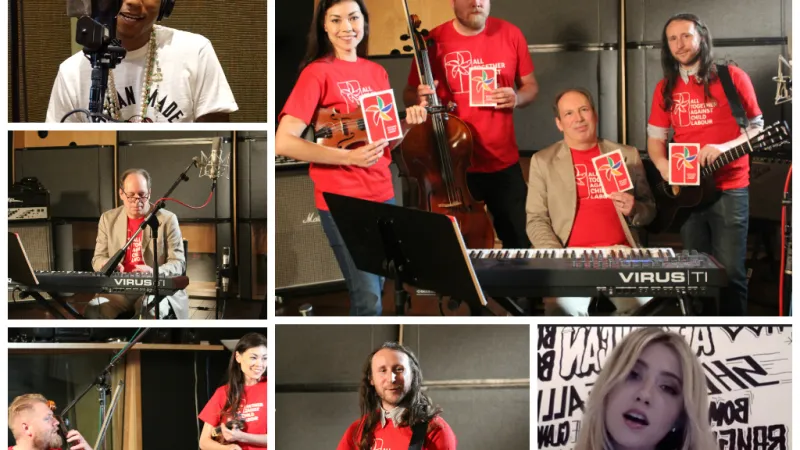
Artists join ArtWorks to End Slavery Now
Prominent artists, athletes and activists, including Cher and Colin Farrell joined the cause to end slavery.
More about forced labour
What are forced labour, human trafficking and slavery?
FAQs on forced labour
ILO Key Facts on Forced Labour
27.6M
men, women and children are in situations of forced labour on any given day
↑+2.7M
forced labour has increased between 2016 and 2021
87%
of adult forced labour occurs in 5 sectors: services, manufacturing, construction, agriculture, and domestic work
3.9M
people are in a situation of state-imposed forced labour
Migrant workers are 3 times more at risk of forced labour
for instance, due to migrants lack of legal protection, inability to exercise their rights, unfair recruitment practices, or when migration is irregular or poorly governed.
People in forced labour exploitation are subjected to multiple forms of coercion
the most common being the systematic and deliberate withholding of wages, followed by the abuse of vulnerability through the threat of dismissal.