


Forced labour, modern slavery and human trafficking
News
-

Making innovation work for decent work
The ILO 8.7 Accelerator Lab launches vision for innovation, knowledge sharing and scaling up
28 March 2024
-

News
Indonesia establishes the first MRC for migrant fishing vessel crews in Pemalang Regency
25 March 2024
-

© ILO 2024
Forced labour
Annual profits from forced labour amount to US$ 236 billion, ILO report finds
19 March 2024
-

© jcomp 2024
Media Advisory
ILO to release new report on the economics of forced labour and illegal profits
14 March 2024
Focus on
-

The Fair Recruitment Initiative
The ILO has launched a global “Fair Recruitment Initiative” to: (i) help prevent human trafficking; (ii) protect the rights of workers, including migrant workers, from abusive and fraudulent practices during the recruitment and placement process; and (iii) reduce the cost of labour migration and enhance development gains.
-

2030 Agenda for sustainable development
ILO contributions to achieve SDG Targent 8.7
Take immediate and effective measures to eradicate forced labour, end modern slavery and human trafficking, and end child labour in all its forms.
It's time to ratify the ILO's Forced Labour Protocol
-
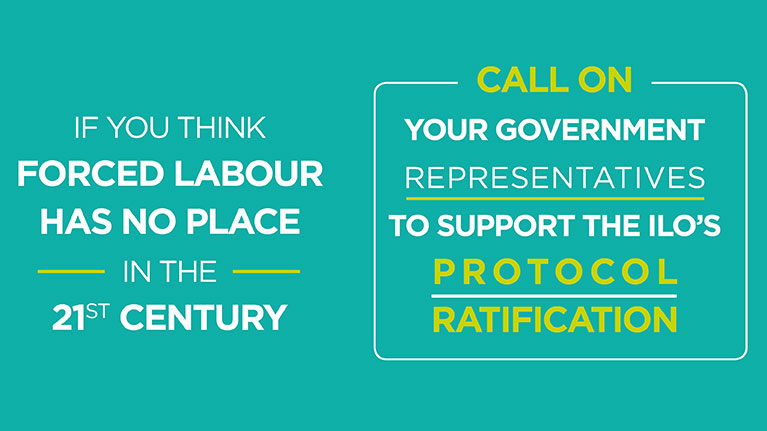
The new legally-binding ILO Protocol on Forced Labour aims to strengthen global efforts towards combating forced labour, trafficking and slavery-like practices. Governments now have the opportunity to ratify the Protocol and integrate new measures at the national and regional levels to combat this crime.